AI Buildout Faces Higher-Funding Concerns
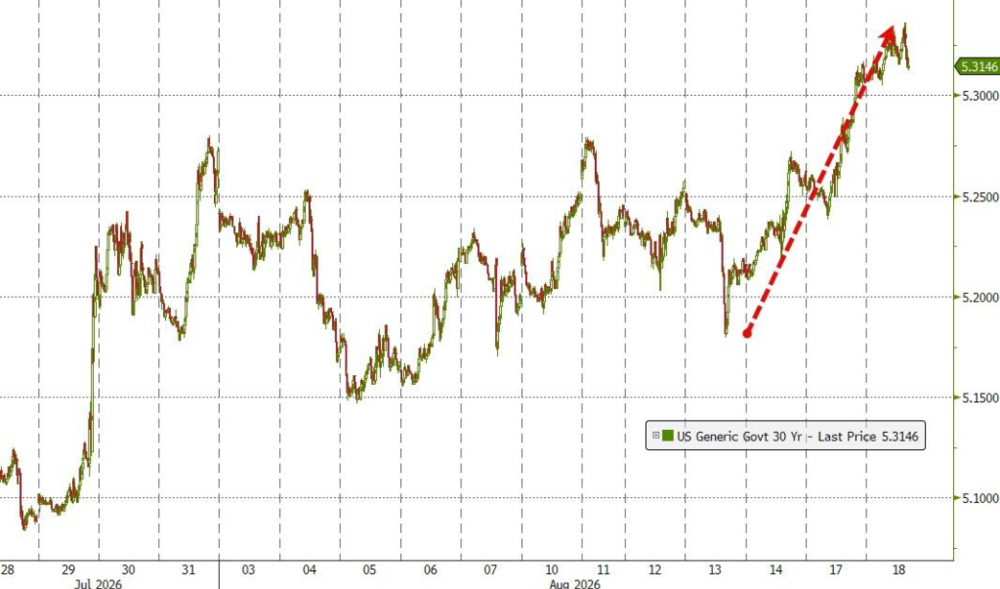
💡Rising yields could reshape the economics of AI compute and data-center expansion.
⚡ 30-Second TL;DR
What Changed
Markets are scrutinizing the debt used to finance large-scale AI infrastructure expansion.
Why It Matters
AI infrastructure projects may face tougher investment hurdles if financing costs remain high. Founders and enterprise buyers could see greater pressure to prove utilization, revenue visibility, and returns on GPU and data-center spending.
What To Do Next
Use AWS Cost Explorer or your cloud billing dashboard to stress-test GPU and inference budgets under higher financing and infrastructure costs.
Key Points
- •Markets are scrutinizing the debt used to finance large-scale AI infrastructure expansion.
- •Loose fiscal policy is expected to contribute to persistently elevated yields.
- •Higher borrowing costs could pressure companies investing heavily in AI data centers and related infrastructure.
🧠 Deep Insight
AI-generated analysis for this event.
🔑 Enhanced Key Takeaways
- •Major hyperscalers including Microsoft, Alphabet, and Meta have collectively increased capital expenditure (CapEx) by over 40% year-over-year as of mid-2026 to secure GPU supply chains.
- •The 'AI-to-Revenue' lag is widening, with analysts noting that the time required for massive data center investments to generate positive free cash flow has extended from 18 months to nearly 36 months.
- •Energy grid constraints are forcing AI infrastructure spenders to pivot toward direct investment in small modular reactors (SMRs) and dedicated power generation, further inflating balance sheet liabilities.
- •Credit rating agencies have begun adjusting outlooks for tech-heavy corporate bonds, citing the 'concentration risk' of AI-specific debt instruments that lack collateral beyond specialized hardware.
- •Institutional investors are increasingly demanding 'AI ROI transparency' metrics, leading to a shift in equity valuation models that now heavily discount companies with debt-to-EBITDA ratios exceeding 3.0x.
🔮 Future ImplicationsAI analysis grounded in cited sources
⏳ Timeline
Weekly AI Recap
Read this week's curated digest of top AI events →
👉Related Updates
AI-curated news aggregator. All content rights belong to original publishers.
Original source: Bloomberg Technology ↗