AI Boom Sends InP Prices Soaring
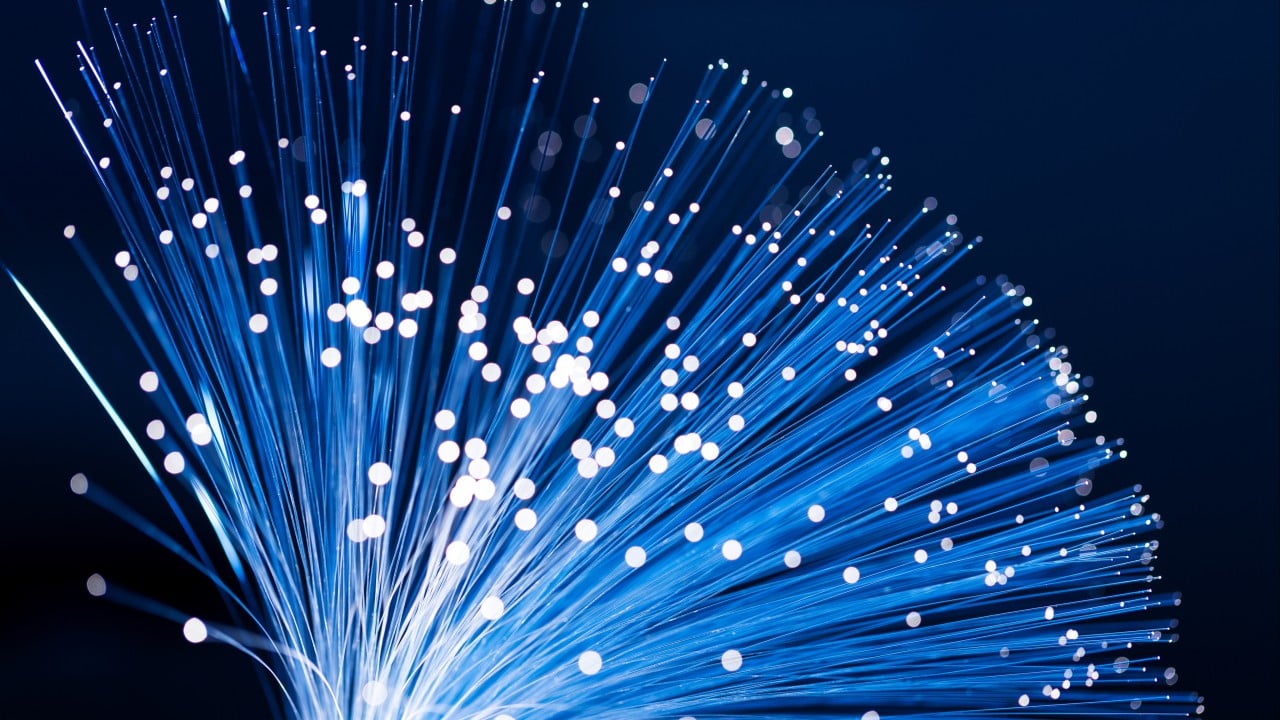
💡InP shortages could make the optical links powering next-generation AI clusters more expensive.
⚡ 30-Second TL;DR
What Changed
Indium phosphide is used to produce lasers that convert electrical signals into light.
Why It Matters
AI infrastructure operators may face higher costs for optical transceivers and data-centre networking upgrades. Persistent material shortages could also complicate capacity planning for large-scale AI clusters.
What To Do Next
Review your AI cluster networking bill of materials with your data-centre provider and identify optical-module suppliers exposed to InP price increases.
Key Points
- •Indium phosphide is used to produce lasers that convert electrical signals into light.
- •The material enables high-speed data transmission through fibre-optic cables.
- •China is a major InP producer, but supply constraints are driving prices sharply higher.
- •Higher InP costs could raise the price of optical modules used in AI data centres.
🧠 Deep Insight
AI-generated analysis for this event.
🔑 Enhanced Key Takeaways
- •Indium Phosphide (InP) is increasingly favored over Gallium Arsenide (GaAs) for 800G and 1.6T optical transceivers due to its superior electron mobility and wider bandgap, which are critical for high-frequency AI cluster interconnects.
- •The supply crunch is exacerbated by export controls on gallium and germanium, which have indirectly tightened the broader compound semiconductor market, causing manufacturers to stockpile InP precursors.
- •Major optical transceiver manufacturers are accelerating the transition to Silicon Photonics (SiPh) platforms to reduce reliance on discrete InP lasers, though InP remains essential as the light source (laser die) in these hybrid systems.
- •The surge in InP prices is disproportionately impacting Tier-2 and Tier-3 optical module suppliers who lack long-term volume purchase agreements with major wafer foundries.
- •Environmental regulations in China regarding the mining and refining of indium—a byproduct of zinc and lead production—have led to temporary facility shutdowns, further restricting global supply.
🛠️ Technical Deep Dive
- InP-based lasers typically utilize Multiple Quantum Well (MQW) structures to achieve high gain and low threshold current densities.
- The material system allows for monolithic integration of lasers, modulators, and photodetectors on a single chip, which is essential for reducing the footprint of high-density AI data center switches.
- InP exhibits a direct bandgap of approximately 1.34 eV at room temperature, making it ideal for the 1310 nm and 1550 nm telecommunication windows used in long-haul and intra-data center fiber links.
- Advanced manufacturing processes for InP involve Metal-Organic Chemical Vapor Deposition (MOCVD) to grow epitaxial layers with precise thickness and doping profiles.
🔮 Future ImplicationsAI analysis grounded in cited sources
⏳ Timeline
Weekly AI Recap
Read this week's curated digest of top AI events →
👉Related Updates


AI-curated news aggregator. All content rights belong to original publishers.
Original source: SCMP Technology ↗