AI Bills Create Capitol Backlog
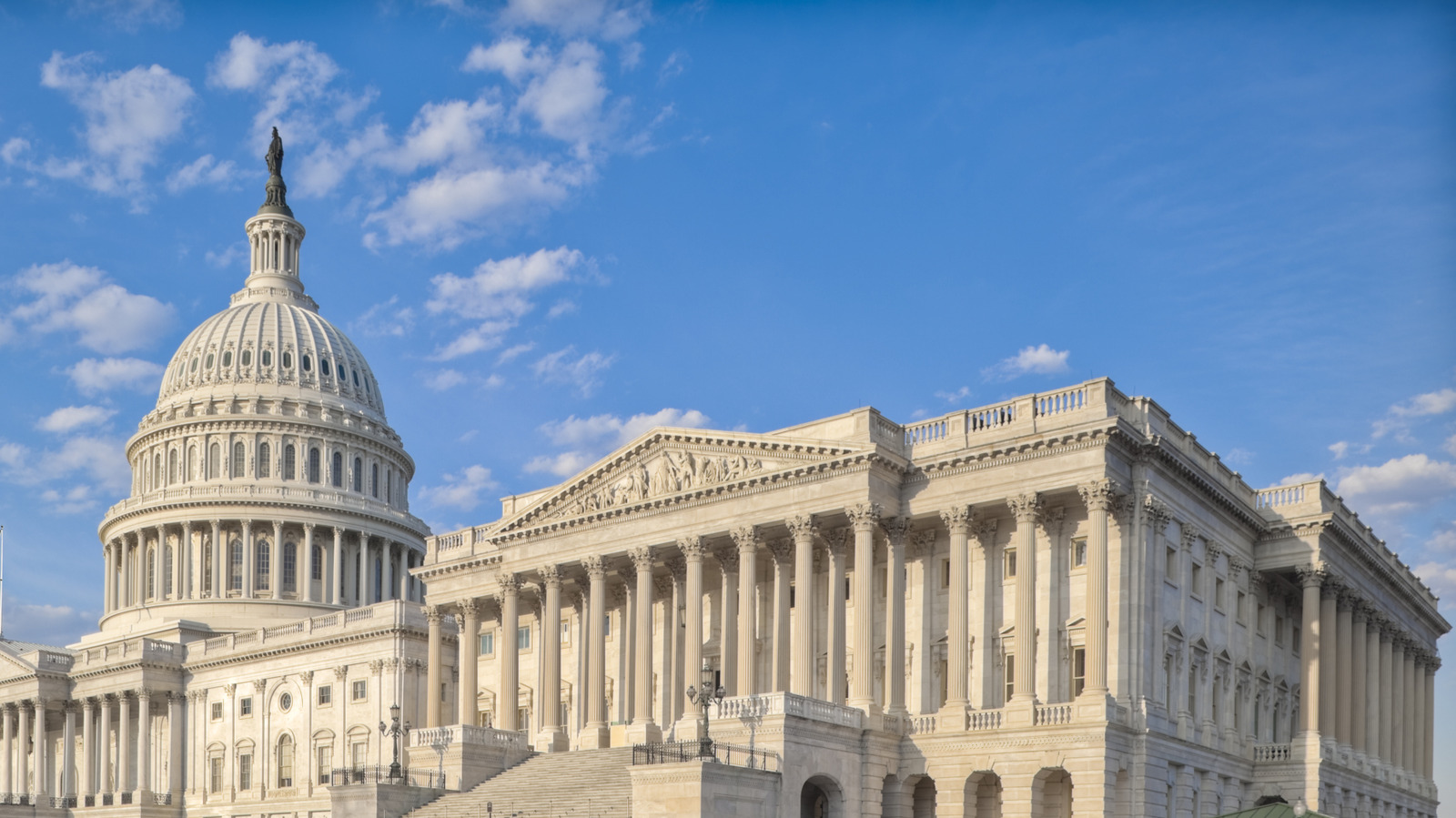
💡AI drafting is creating more work in the Capitol—an important warning for high-stakes LLM deployments.
⚡ 30-Second TL;DR
What Changed
Politico reports that AI-generated bills are burdening the US House Office of Legislative Counsel.
Why It Matters
Poorly supervised AI drafting can increase review costs rather than reduce them, especially in legal and public-sector workflows. Organizations using LLMs for regulated documents may need stronger validation, provenance tracking, and approval gates.
What To Do Next
Add mandatory schema checks, citation validation, and human approval before allowing an LLM to produce legal or regulatory documents.
Key Points
- •Politico reports that AI-generated bills are burdening the US House Office of Legislative Counsel.
- •The submitted bills reportedly contain substantial errors.
- •The situation demonstrates the need for human validation in high-stakes document generation.
🧠 Deep Insight
AI-generated analysis for this event.
🔑 Enhanced Key Takeaways
- •The Office of Legislative Counsel (OLC) has implemented informal 'red-flag' protocols to identify AI-generated text, which often exhibits characteristic 'hallucinations' regarding legal citations and jurisdictional precedents.
- •Congressional staffers are increasingly turning to AI tools to manage the record-high volume of legislative requests, leading to a 'shadow drafting' phenomenon where bills are submitted without proper vetting.
- •The House Administration Committee is reportedly considering formal guidelines or a ban on the use of unverified generative AI tools for official legislative drafting to preserve the integrity of the legislative process.
- •Legal experts note that AI-generated bills often fail to account for 'conforming amendments,' which are critical technical changes required to ensure new laws do not conflict with existing statutes.
- •The backlog has exacerbated existing staffing shortages within the OLC, as attorneys must spend more time correcting AI-generated errors than they would have spent drafting the legislation from scratch.
🔮 Future ImplicationsAI analysis grounded in cited sources
⏳ Timeline
Weekly AI Recap
Read this week's curated digest of top AI events →
👉Related Updates


AI-curated news aggregator. All content rights belong to original publishers.
Original source: Engadget ↗