🐯虎嗅•Freshcollected in 6m
AI and IoT Tech in World Cup
💡Learn how AI and sensor fusion are revolutionizing real-time sports officiating and high-speed data processing.
⚡ 30-Second TL;DR
What Changed
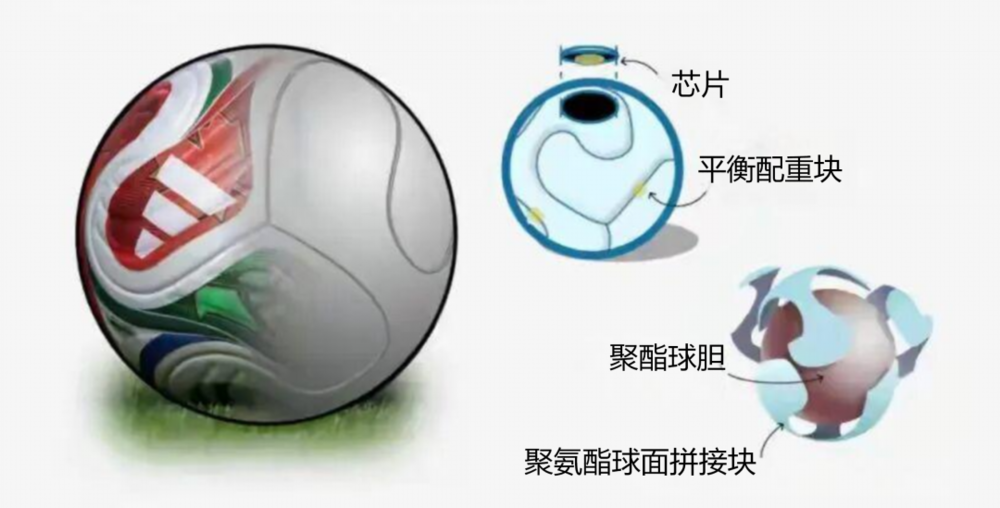
Official balls feature 14g IMU sensors capturing data at 500Hz for real-time tracking.
Why It Matters
The shift toward AI-assisted officiating significantly reduces human error and game stoppage time, setting a new standard for real-time sports analytics.
What To Do Next
Explore the use of UWB and IMU sensor fusion for real-time object tracking in your own computer vision projects.
Who should care:Developers & AI Engineers
Key Points
- •Official balls feature 14g IMU sensors capturing data at 500Hz for real-time tracking.
- •SAOT systems use 16 optical cameras and AI to generate 3D player models for offside detection.
- •RefCam technology provides first-person referee perspectives for training and post-match review.
🧠 Deep Insight
AI-generated analysis for this event.
🔑 Enhanced Key Takeaways
- •The IMU sensor data is synchronized with optical tracking data via a 'Connected Ball Technology' platform, which allows for the automatic detection of the exact moment of ball contact.
- •SAOT systems utilize a skeletal tracking algorithm that monitors 29 data points per player, 50 times per second, to calculate their precise position on the pitch.
- •The integration of AI-driven offside technology has reduced the average time for an offside decision from approximately 70 seconds to 25 seconds.
- •RefCam technology is currently restricted to broadcast and training purposes and does not currently influence real-time officiating decisions.
- •Data privacy and security protocols are managed through a centralized VAR (Video Assistant Referee) hub, ensuring encrypted transmission of sensor data to prevent signal interference or tampering.
🛠️ Technical Deep Dive
- IMU Sensor: 500Hz inertial measurement unit utilizing a suspension system to isolate the sensor from the ball's internal pressure and impact forces.
- Optical Tracking: 16 dedicated tracking cameras mounted under the stadium roof, utilizing computer vision to track both the ball and individual players.
- Data Fusion: The system employs a sensor fusion engine that combines IMU data (ball contact) with optical data (player position) to determine offside status.
- Latency: The system is designed for sub-second latency, transmitting data from the ball to the VAR operation room via ultra-wideband (UWB) technology.
🔮 Future ImplicationsAI analysis grounded in cited sources
Automated ball-in-play detection will replace manual sideline officiating by 2028.
The increasing accuracy of IMU and optical fusion systems is making human judgment on boundary lines statistically redundant.
Real-time biometric monitoring of players will be integrated into official match data feeds.
Current wearable technology already tracks physical exertion, and leagues are moving toward standardizing this data for broadcast and performance analysis.
⏳ Timeline
2021-12
FIFA tests semi-automated offside technology at the FIFA Arab Cup.
2022-07
FIFA officially announces Connected Ball Technology for the 2022 World Cup.
2022-11
SAOT makes its debut in a major international tournament at the 2022 FIFA World Cup in Qatar.
2024-06
RefCam technology is deployed for the first time in professional league matches for testing.
📰
Weekly AI Recap
Read this week's curated digest of top AI events →
👉Related Updates

AI-curated news aggregator. All content rights belong to original publishers.
Original source: 虎嗅 ↗