AI Ads Cannot Fake Product Performance
AI can make impossible product demos look real—and tiny disclaimers may not protect your company from liability.
30-Second TL;DR
What Changed
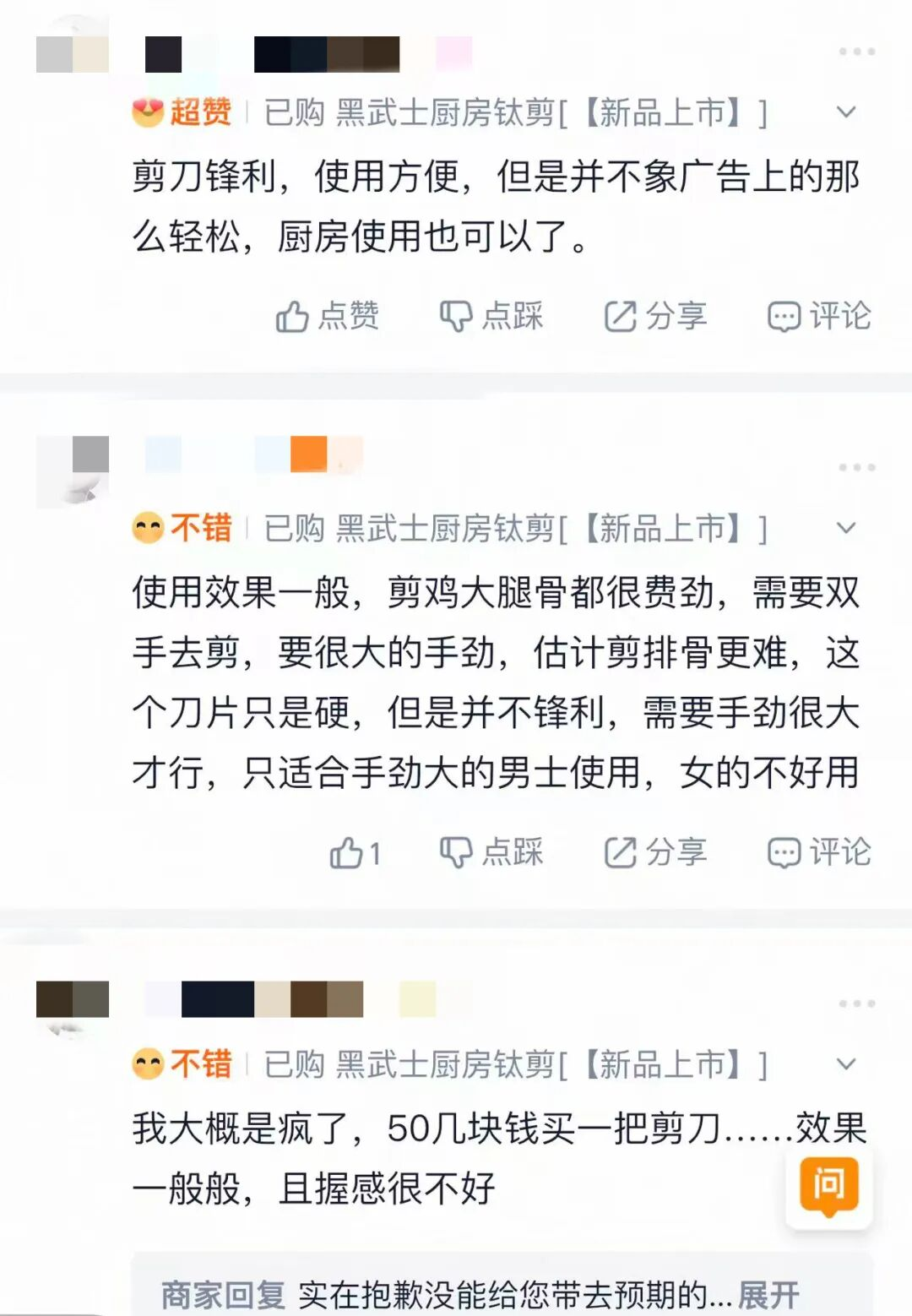
The promotional video depicts scissors cutting through an extremely thick bone, while customers report difficulty even cutting chicken bones.
Why It Matters
AI practitioners building advertising, commerce, or creator tools need stronger safeguards against synthetic demonstrations that imply unsupported product capabilities. Provenance labels alone may be insufficient when the overall visual message materially misleads buyers.
What To Do Next
Add a claim-verification gate to your generative advertising workflow that checks every visual demonstration against approved specifications before publishing.
Key Points
- •The promotional video depicts scissors cutting through an extremely thick bone, while customers report difficulty even cutting chicken bones.
- •Tiny disclaimers such as “AI effect demonstration” may not offset a misleading presentation of a product’s core performance.
- •The article connects AI-enhanced advertising to similar issues in automotive and beauty marketing, including altered vehicle proportions and real-time skin-smoothing filters.
- •China’s Advertising Law defines materially inaccurate or misleading claims about product performance as potentially false advertising.
Deep Insight
AI-generated analysis for this event — not the original article.
Enhanced Key Takeaways
- •Zhang Xiaoquan has faced historical scrutiny regarding product quality, most notably the 2021 'garlic-crushing' incident where a consumer's knife snapped, leading to a public relations crisis and questions about the brand's premium positioning.
- •The State Administration for Market Regulation (SAMR) in China has been increasingly tightening regulations on 'AI-generated content' (AIGC) in advertising, specifically targeting deceptive visual enhancements that misrepresent physical product utility.
- •Legal experts in China argue that the 'AI effect' disclaimer acts as a 'liability shield' that is often legally insufficient if the primary visual message contradicts the actual physical performance of the product.
- •Consumer protection groups in China are advocating for a 'truth-in-simulation' standard, which would require AI-enhanced ads to include a side-by-side comparison of the AI-generated result versus a real-world performance test.
- •The rise of 'AI-washing' in e-commerce marketing has led to a surge in consumer complaints on platforms like Black Cat Complaint (Heimao Tousu), specifically targeting kitchenware and hardware brands that use hyper-realistic AI video to exaggerate durability.
Future ImplicationsAI analysis grounded in cited sources
Timeline
- 2021-07Zhang Xiaoquan faces public backlash after a customer's knife breaks while crushing garlic.
- 2022-08The company issues a public apology and initiates a quality control overhaul following repeated complaints about knife durability.
- 2025-11Zhang Xiaoquan begins integrating AI-generated video content into its short-video marketing strategy on platforms like Douyin.
- 2026-07Consumer reports and media investigations highlight discrepancies between AI-enhanced ads and actual product performance.
Weekly AI Recap
Read this week's curated digest of top AI events →
AI-curated news aggregator. All content rights belong to original publishers.
Original source: 虎嗅 ↗
This is a summary, not the original. Read the source, or get the weekly briefing.
The weekly digest
One email a week. Unsubscribe anytime.