AI Actors Challenge Summer Drama Stars
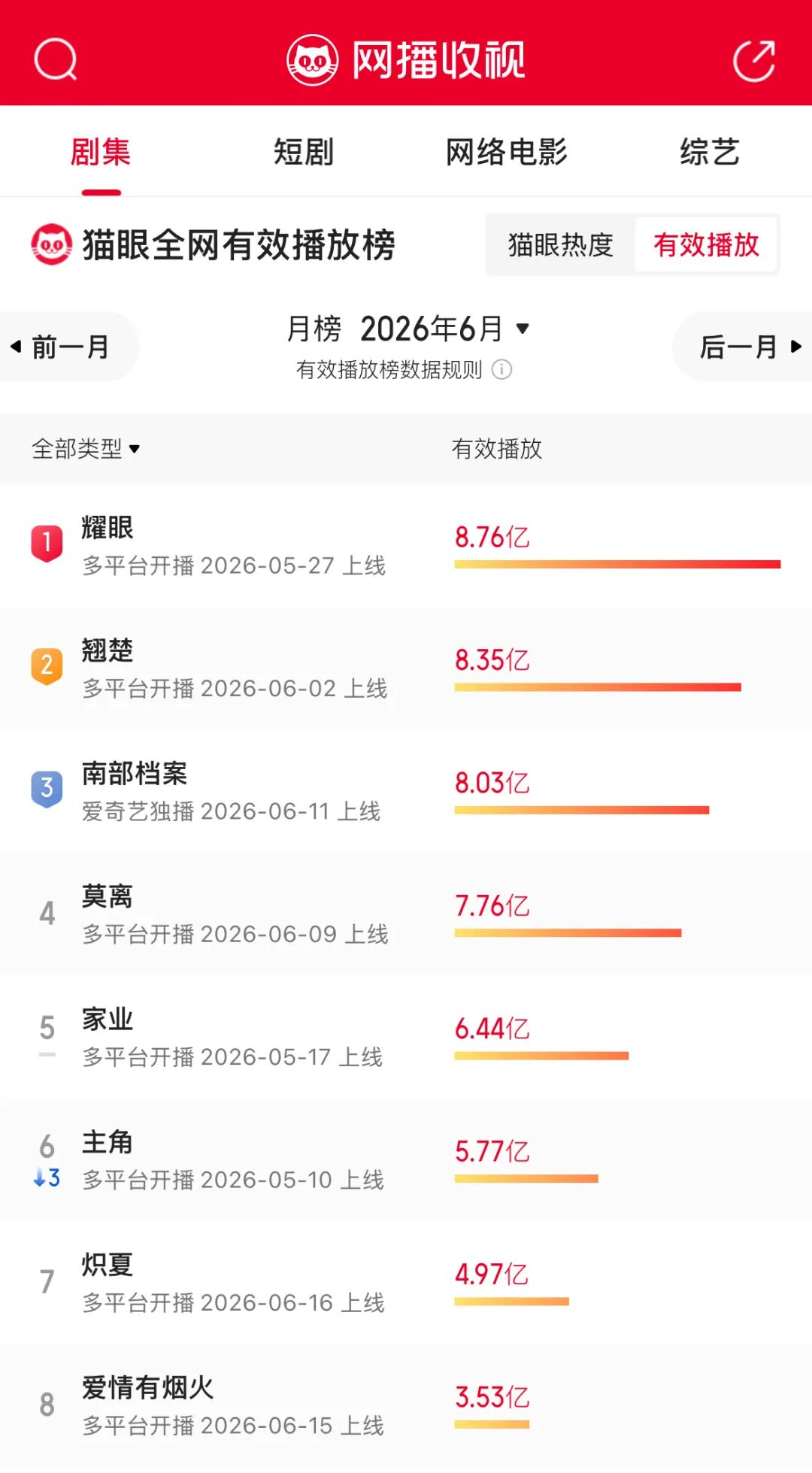
AI performers are improving just as long dramas lose star power—an early signal for the future of video production.
30-Second TL;DR
What Changed
Several new-generation actors appeared across the summer schedule, but few delivered a breakout drama with clear blockbuster potential.
Why It Matters
If AI actors continue improving, production companies could use them for lower-budget roles, localization, virtual characters, and rapid content testing. However, the article suggests that the more immediate threat to human performers is not total replacement, but a sharper division between top-tier stars and commoditized supporting talent.
What To Do Next
Run a controlled pilot with your current AI video-generation tool, comparing AI and human performances on lip sync, emotional consistency, audience preference, and production cost.
Key Points
- •Several new-generation actors appeared across the summer schedule, but few delivered a breakout drama with clear blockbuster potential.
- •The article criticizes long dramas for copying short-drama pacing while losing depth, distinctive structure, and discussion value.
- •AI performers have reportedly improved in human likeness and emotional expression compared with the uncanny-valley quality of earlier AI short dramas.
- •The emerging market pattern may favor major stars for leading roles while replacing lower-tier performers with scalable AI-generated talent.
Deep Insight
AI-generated analysis for this event — not the original article.
Enhanced Key Takeaways
- •The Chinese National Radio and Television Administration (NRTA) has begun drafting guidelines for the labeling of AI-generated performances in long-form streaming content to ensure transparency for viewers.
- •Major Chinese streaming platforms, including iQIYI and Tencent Video, have integrated 'Digital Human' clauses into standard talent contracts, allowing for the use of AI-generated likenesses in background scenes and non-speaking roles.
- •Recent advancements in 'Neural Motion Retargeting' allow AI actors to adopt the specific micro-expressions of famous human actors, reducing the cost of reshoots for long-form dramas.
- •Data from the 2026 summer season indicates a 15% increase in the use of AI-generated extras in period dramas to reduce production costs associated with large-scale crowd scenes.
- •Industry reports suggest that the 'short-drama' (micro-drama) market has reached a saturation point, forcing production houses to pivot AI-driven efficiency tools toward high-budget, long-form series to maintain profitability.
Technical Deep Dive
- Implementation of Latent Diffusion Models (LDMs) combined with temporal consistency modules to maintain character identity across multi-episode arcs.
- Utilization of Gaussian Splatting for real-time rendering of AI actors in complex lighting environments, significantly reducing post-production compositing time.
- Integration of Large Language Model (LLM) driven dialogue agents that synchronize lip-movement (viseme generation) with emotional prosody in real-time.
- Adoption of proprietary motion-capture-to-video pipelines that allow human actors to perform 'base' movements, which are then stylized by AI to match different character archetypes.
Future ImplicationsAI analysis grounded in cited sources
Timeline
- 2024-03Initial surge in AI-generated micro-dramas on platforms like Douyin and Kuaishou.
- 2025-06First major Chinese streaming platform announces a pilot program for AI-assisted background character generation.
- 2026-01Release of industry-wide standards for digital human likeness rights in the Chinese entertainment sector.
Weekly AI Recap
Read this week's curated digest of top AI events →
AI-curated news aggregator. All content rights belong to original publishers.
Original source: 虎嗅 ↗
This is a summary, not the original. Read the source, or get the weekly briefing.
The weekly digest
One email a week. Unsubscribe anytime.