Advocates urge FTC to block X's AI privacy changes
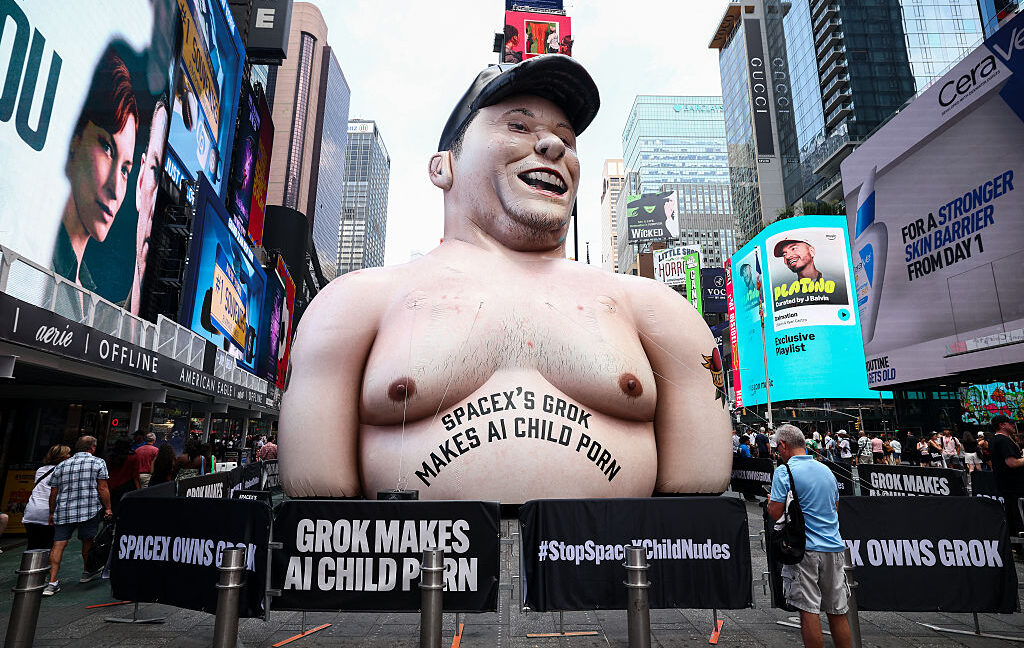
💡Understand how FTC regulatory shifts regarding X could impact AI data training compliance and platform privacy standards
⚡ 30-Second TL;DR
What Changed
Privacy advocates filed a formal request to the FTC to maintain strict monitoring of X.
Why It Matters
If the FTC grants Musk's request, it could set a precedent for reduced oversight on how social media platforms leverage user data for AI training. This may lead to more aggressive data harvesting practices across the industry.
What To Do Next
Review your platform's data collection policies to ensure compliance with evolving FTC privacy standards regarding AI training data.
Key Points
- •Privacy advocates filed a formal request to the FTC to maintain strict monitoring of X.
- •The concern centers on X's data usage policies regarding AI model training.
- •Musk seeks to terminate the existing consent decree that governs X's privacy and security protocols.
🧠 Deep Insight
AI-generated analysis for this event — not the original article.
🔑 Enhanced Key Takeaways
- •The original 2011 FTC consent decree was significantly expanded in 2022 following allegations that Twitter misused user phone numbers and email addresses for targeted advertising.
- •X's updated privacy policy, implemented in late 2023, explicitly grants the company permission to use public posts to train its Grok AI models.
- •Privacy groups, including the Electronic Privacy Information Center (EPIC), argue that X's current data harvesting practices violate the 'privacy-by-design' requirements mandated by the existing FTC order.
- •The FTC's oversight of X includes a requirement for independent third-party audits of the company's privacy program, a burden Musk's legal team argues is now obsolete.
- •Legal experts suggest that if the FTC denies the request to terminate the decree, it could set a precedent for how social media companies are permitted to repurpose user-generated content for generative AI training.
🛠️ Technical Deep Dive
- X utilizes a data ingestion pipeline that scrapes public user posts to feed the Grok-1 and subsequent model iterations.
- The training architecture relies on a massive cluster of NVIDIA H100 GPUs, requiring continuous data streams to maintain model relevance.
- Privacy controls for AI training are implemented via a user-facing toggle in the 'Grok' settings menu, which defaults to 'on' for many accounts, a point of contention for regulators.
🔮 Future ImplicationsAI analysis grounded in cited sources
⏳ Timeline
Weekly AI Recap
Read this week's curated digest of top AI events →
👉Related Updates
AI-curated news aggregator. All content rights belong to original publishers.
Original source: Ars Technica AI ↗
This is a summary, not the original. Read the source, or get the weekly briefing.
Weekly AI briefing
One email a week. Unsubscribe anytime.