Acquisition Analysis: Tongcheng's Expansion and Dida's Exit
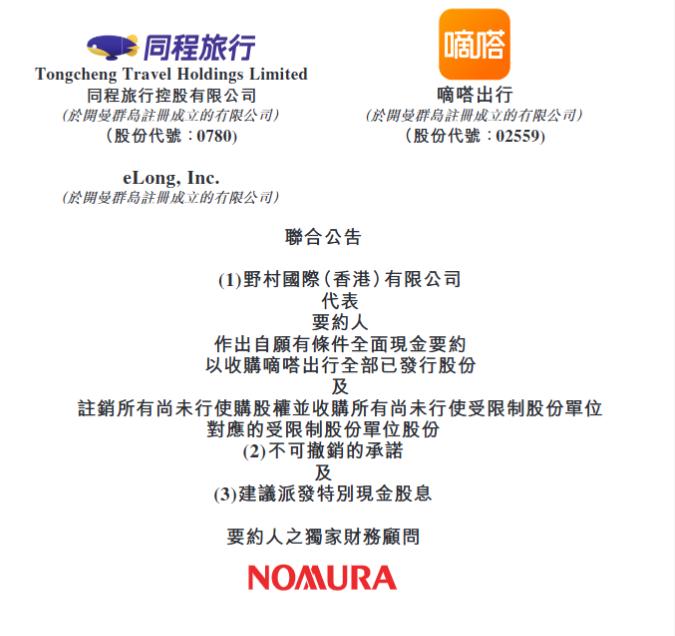
See how traditional travel platforms are using M&A to compete with AI-native travel assistants.
30-Second TL;DR
What Changed
Strategic consolidation in the travel and mobility sector
Why It Matters
Market consolidation often leads to data silos being broken down, potentially creating new opportunities for AI-driven travel personalization.
What To Do Next
If building in the travel space, explore how to leverage consolidated user behavior data to improve recommendation engine accuracy.
Key Points
- •Strategic consolidation in the travel and mobility sector
- •Integration of ride-hailing into broader travel platforms
- •Market saturation forcing companies to seek exits or partnerships
Deep Insight
AI-generated analysis for this event — not the original article.
Enhanced Key Takeaways
- •Tongcheng Travel's acquisition strategy is heavily focused on capturing the 'lower-tier city' market, where ride-hailing penetration remains lower compared to first-tier cities.
- •Dida Chuxing's exit strategy reflects a broader trend of niche mobility platforms struggling to maintain profitability against diversified travel super-apps that offer cross-selling opportunities.
- •The integration leverages Tongcheng's existing OTA (Online Travel Agency) traffic, allowing the platform to offer 'one-stop' travel solutions including train, flight, and last-mile ride-hailing services.
- •Regulatory pressures in China regarding ride-hailing compliance have accelerated consolidation, as smaller players like Dida face higher operational costs to meet safety and licensing standards.
- •Data synergy between Tongcheng's travel booking history and ride-hailing demand patterns allows for more precise dynamic pricing and vehicle dispatching algorithms.
Competitor Analysis
- Tongcheng Travel
- OTA / Travel Aggregator
- Didi Chuxing
- Dedicated Ride-Hailing
- Meituan Mobility
- Local Services / Aggregator
- Tongcheng Travel
- Lower-tier cities / Tourism
- Didi Chuxing
- National / Mass Market
- Meituan Mobility
- Urban Local Services
- Tongcheng Travel
- High (Travel + Mobility)
- Didi Chuxing
- Low (Mobility-centric)
- Meituan Mobility
- High (Lifestyle + Mobility)
- Tongcheng Travel
- Commission / Aggregation
- Didi Chuxing
- Dynamic / Competitive
- Meituan Mobility
- Aggregation / Subsidized
| Feature | Tongcheng Travel | Didi Chuxing | Meituan Mobility |
|---|---|---|---|
| Core Business | OTA / Travel Aggregator | Dedicated Ride-Hailing | Local Services / Aggregator |
| Market Focus | Lower-tier cities / Tourism | National / Mass Market | Urban Local Services |
| Integration Level | High (Travel + Mobility) | Low (Mobility-centric) | High (Lifestyle + Mobility) |
| Pricing Model | Commission / Aggregation | Dynamic / Competitive | Aggregation / Subsidized |
Technical Deep Dive
- Integration Architecture: Utilizes an API-based aggregation layer that connects Tongcheng's front-end interface with various ride-hailing service providers to ensure real-time availability.
- Dispatch Algorithms: Employs predictive demand modeling that correlates flight and train arrival times with ride-hailing supply to optimize vehicle positioning.
- Data Privacy: Implements localized data processing to comply with China's Personal Information Protection Law (PIPL) regarding cross-platform user data sharing.
- Scalability: Uses microservices architecture to handle high-concurrency traffic during peak travel seasons (e.g., Spring Festival).
Future ImplicationsAI analysis grounded in cited sources
Timeline
- 2018-03Tongcheng and eLong complete merger to form Tongcheng-eLong.
- 2020-08Tongcheng-eLong officially rebrands to Tongcheng Travel to reflect broader travel service expansion.
- 2021-09Dida Chuxing files for an IPO in Hong Kong, highlighting the competitive pressure in the ride-hailing market.
- 2023-12Tongcheng Travel announces strategic investments to deepen its footprint in the mobility and local services sector.
- 2025-05Reports emerge regarding the restructuring of Dida's operations and potential asset divestment.
Weekly AI Recap
Read this week's curated digest of top AI events →
AI-curated news aggregator. All content rights belong to original publishers.
Original source: 钛媒体 ↗
This is a summary, not the original. Read the source, or get the weekly briefing.
The weekly digest
One email a week. Unsubscribe anytime.