Academic integrity and public image in the AI era
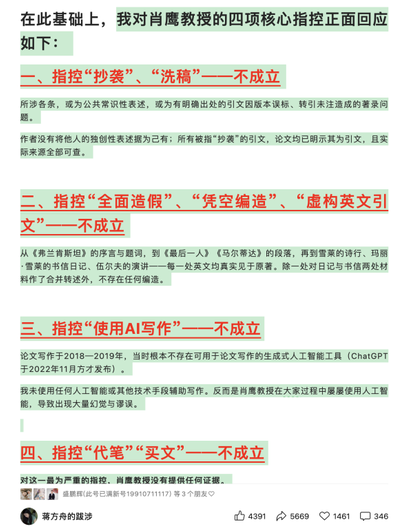
💡A deep dive into how digital scrutiny and crowdsourced verification can dismantle even the most established reputations.
⚡ 30-Second TL;DR
What Changed
Jiang Fangzhou's master's degree was revoked due to plagiarism identified by online crowdsourcing.
Why It Matters
This case serves as a cautionary tale for AI-assisted content creators regarding the importance of source verification and the long-term risks of relying on institutional 'prestige' to mask technical shortcuts.
What To Do Next
Implement automated plagiarism detection and citation verification tools in your content pipeline to avoid reputational damage.
Key Points
- •Jiang Fangzhou's master's degree was revoked due to plagiarism identified by online crowdsourcing.
- •The incident highlights the symbiotic relationship between public intellectuals and the institutions that validate them.
- •The 'landscape society' framework explains how digital personas are constructed and protected by systemic interests.
🧠 Deep Insight
AI-generated analysis for this event — not the original article.
🔑 Enhanced Key Takeaways
- •The controversy surrounding Jiang Fangzhou originated from a 2021 investigation by netizens who cross-referenced her master's thesis with existing academic literature, revealing significant overlap.
- •Jiang Fangzhou's academic credentials were tied to her status as a 'New Concept Writing Competition' winner, a platform that historically served as a gateway for young writers into elite Chinese universities.
- •The incident triggered a broader public debate in China regarding the 'special admission' tracks for literary celebrities, questioning whether these pathways bypass standard academic rigor.
- •Institutional responses to such plagiarism allegations in China often involve a slow, bureaucratic review process that contrasts sharply with the rapid, decentralized nature of online 'crowd-sourced' investigations.
- •The case has led to increased pressure on Chinese universities to implement mandatory, AI-driven plagiarism detection software for all graduate-level theses to protect institutional reputation.
🔮 Future ImplicationsAI analysis grounded in cited sources
⏳ Timeline
Weekly AI Recap
Read this week's curated digest of top AI events →
👉Related Updates

AI-curated news aggregator. All content rights belong to original publishers.
Original source: 虎嗅 ↗
This is a summary, not the original. Read the source, or get the weekly briefing.
The weekly digest
One email a week. Unsubscribe anytime.