Academic insights into the psychology of horror gaming
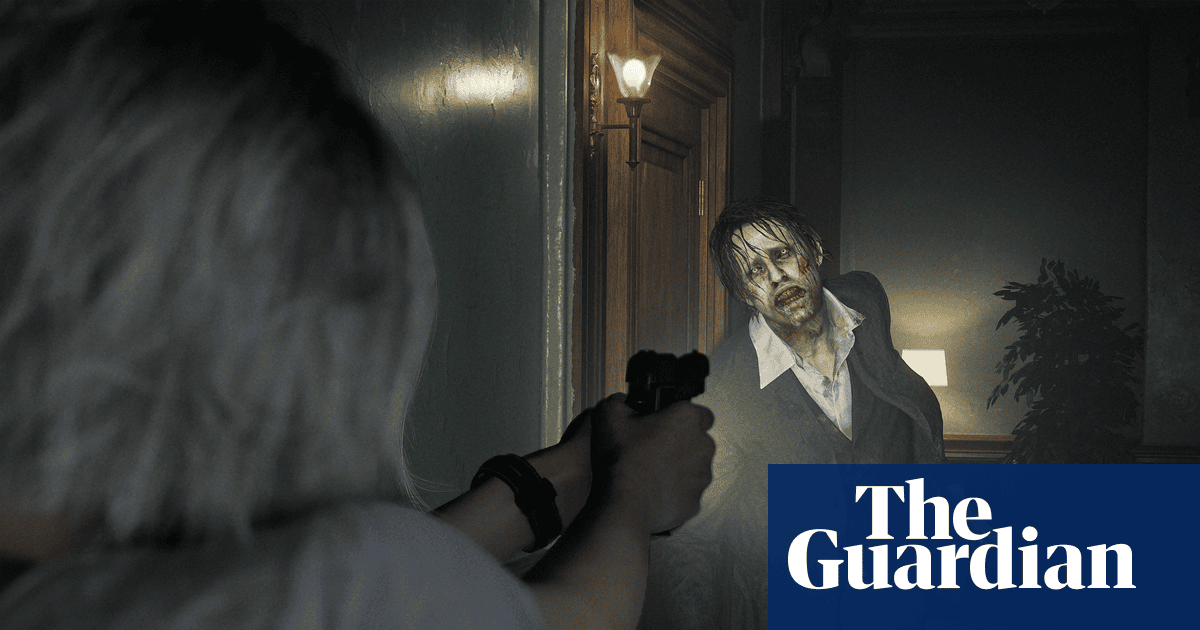
💡Learn how psychological design patterns in horror games can improve AI-driven immersive experiences.
⚡ 30-Second TL;DR
What Changed
Creative directors use tools like revulsion and spatial alienation to induce horror.
Why It Matters
Understanding these psychological triggers can help AI developers create more immersive, emotionally resonant NPCs and procedural environments in horror-themed AI applications.
What To Do Next
Analyze the 'apophenia' triggers mentioned by Supermassive Games to design more effective fear-inducing behaviors for your AI agents.
Key Points
- •Creative directors use tools like revulsion and spatial alienation to induce horror.
- •Indie horror games utilize film noir techniques to mask budget constraints.
- •Academic study of horror games is increasingly analyzing posthumanism and masculine fragility.
🧠 Deep Insight
AI-generated analysis for this event.
🔑 Enhanced Key Takeaways
- •Falmouth University's Games Academy has established a specialized research cluster focusing on 'Ludic Horror,' which investigates the unique agency players possess compared to passive film audiences.
- •Recent academic discourse has shifted toward 'eco-horror' in gaming, examining how climate anxiety and environmental collapse are being integrated into survival horror mechanics.
- •The use of 'procedural generation' in horror games is being studied as a method to prevent player habituation, ensuring that fear responses remain high through unpredictable environmental shifts.
- •Researchers are increasingly utilizing biometric data, such as heart rate variability and galvanic skin response, to empirically measure the effectiveness of specific horror design patterns.
- •The conference highlighted the 'uncanny valley' of sound design, where developers manipulate audio frequencies just outside the human hearing range to induce subconscious unease.
🛠️ Technical Deep Dive
- Dynamic Audio Occlusion: Implementation of real-time sound propagation algorithms that simulate how sound waves interact with complex geometry to heighten spatial alienation.
- Adaptive Difficulty Systems: Use of hidden AI directors that monitor player stress levels via input patterns to adjust enemy spawn rates and resource scarcity in real-time.
- Volumetric Lighting and Shadow Casting: Utilization of ray-traced global illumination to create high-contrast environments that facilitate the 'film noir' aesthetic while obscuring threats.
- Procedural Asset Placement: Algorithms that randomize item and enemy locations to disrupt player pattern recognition and maintain sustained psychological tension.
🔮 Future ImplicationsAI analysis grounded in cited sources
⏳ Timeline
Weekly AI Recap
Read this week's curated digest of top AI events →
👉Related Updates

AI-curated news aggregator. All content rights belong to original publishers.
Original source: The Guardian Technology ↗