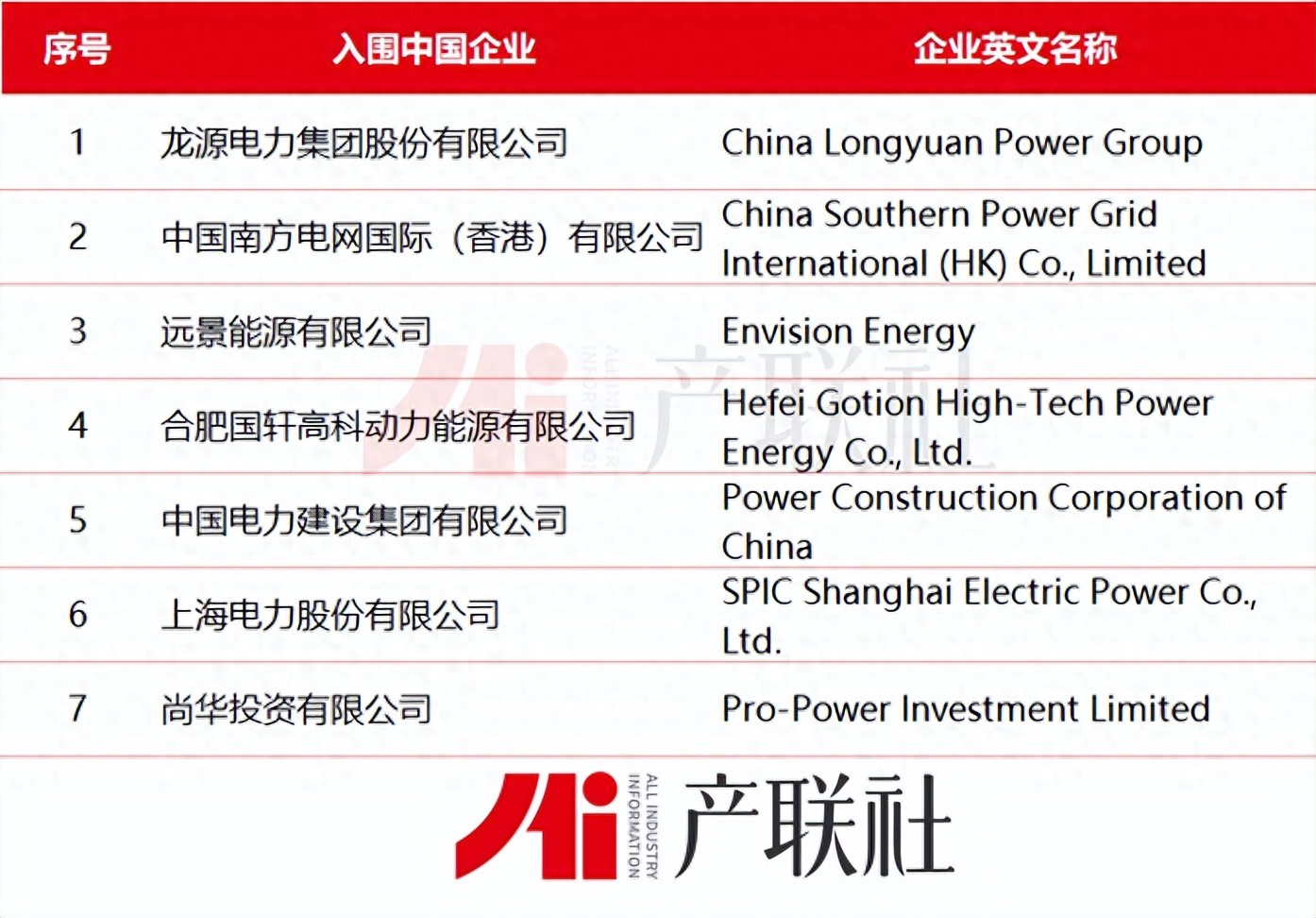
7 Chinese firms qualify for Saudi 12GWh storage project
💡Major infrastructure expansion in the Middle East creates new demand for AI-driven energy management solutions.
⚡ 30-Second TL;DR
What Changed
SPPC announced 27 pre-qualified firms for 12GWh storage projects
Why It Matters
This highlights a significant infrastructure expansion in the Middle East, offering opportunities for Chinese hardware and energy management software providers.
What To Do Next
If you are building energy management AI, investigate the grid-integration standards required for SPPC projects.
Key Points
- •SPPC announced 27 pre-qualified firms for 12GWh storage projects
- •7 Chinese enterprises successfully entered the qualification list
- •Middle East and Africa emerging as key growth markets for energy storage exports
🧠 Deep Insight
AI-generated analysis for this event — not the original article.
🔑 Enhanced Key Takeaways
- •The 12GWh project is part of Saudi Arabia's broader Vision 2030 initiative, which aims to diversify the national energy mix and increase the share of renewable energy to 50% by 2030.
- •The pre-qualification process mandates that successful bidders must adhere to strict local content requirements, incentivizing Chinese firms to establish manufacturing or assembly facilities within Saudi Arabia.
- •This second batch of energy storage projects specifically targets Battery Energy Storage Systems (BESS) to stabilize the grid as the Kingdom integrates large-scale solar and wind capacity.
- •The 27 pre-qualified firms include a mix of international energy giants, specialized battery manufacturers, and EPC (Engineering, Procurement, and Construction) contractors, highlighting the competitive nature of the Saudi utility-scale market.
- •Chinese firms are leveraging their cost-competitiveness and mature supply chain advantages in LFP (Lithium Iron Phosphate) battery technology to secure a dominant position in the Middle Eastern energy storage landscape.
📊 Competitor Analysis▸ Show
| Feature | Chinese Firms (e.g., CATL, BYD) | International Peers (e.g., Fluence, Tesla) |
|---|---|---|
| Cost Structure | Highly competitive due to vertical integration | Premium pricing with focus on software/EMS |
| Technology | Dominant in LFP cell manufacturing | Strong in system integration and AI-driven software |
| Market Strategy | Aggressive export and local partnership models | Established global service networks and project finance |
| Supply Chain | Direct control over raw materials | Dependent on global supply chain diversification |
🛠️ Technical Deep Dive
- The projects are expected to utilize high-density LFP battery chemistry, favored for its safety profile and cycle life in high-ambient-temperature environments.
- Systems will likely incorporate advanced Battery Management Systems (BMS) capable of real-time thermal management to mitigate the impact of extreme desert heat.
- Integration requirements include grid-forming inverter technology to provide synthetic inertia and frequency regulation services to the Saudi national grid.
- Projects are designed for long-duration energy storage (LDES) capabilities, typically ranging from 2 to 4 hours of discharge duration per cycle.
🔮 Future ImplicationsAI analysis grounded in cited sources
⏳ Timeline
Weekly AI Recap
Read this week's curated digest of top AI events →
👉Related Updates
AI-curated news aggregator. All content rights belong to original publishers.
Original source: 钛媒体 ↗
This is a summary, not the original. Read the source, or get the weekly briefing.
Weekly AI briefing
One email a week. Unsubscribe anytime.