618 E-commerce shifts from price wars to resource wars
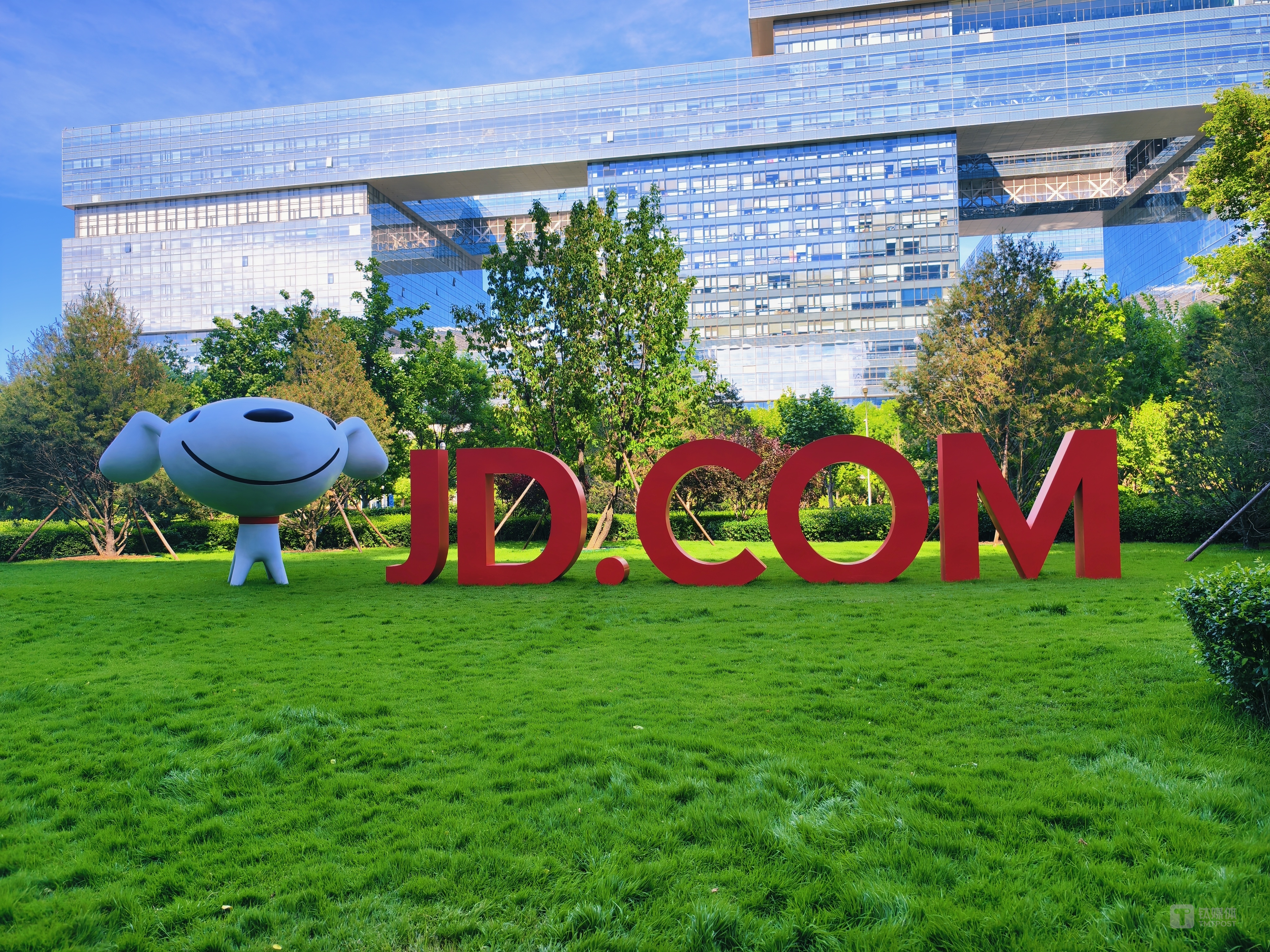
💡Understand the shifting competitive landscape of e-commerce to better position AI-driven marketing automation tools.
⚡ 30-Second TL;DR
What Changed
Price wars have reached a point of diminishing returns
Why It Matters
AI-driven marketing and sentiment analysis tools are becoming essential for managing brand reputation during high-stakes shopping events.
What To Do Next
Implement a real-time sentiment analysis pipeline to track brand mentions across social platforms during the 618 period.
Key Points
- •Price wars have reached a point of diminishing returns
- •Shift toward strategic resource allocation and supply chain optimization
- •Increased focus on public opinion management and brand perception
🧠 Deep Insight
Background and context from public sources — not the original article. 21 sources cited.
🔑 Enhanced Key Takeaways
- •The 618 festival in 2026 has transformed into an 'AI competition,' with major e-commerce platforms like JD.com, Alibaba (Taobao/Tmall), and Douyin extensively integrating artificial intelligence across the entire supply chain, from logistics and customer service to content creation and personalized recommendations.
- •E-commerce platforms have actively simplified complex promotional rules, moving away from intricate pre-sales and layered discounts in 2024 and 2025 to more straightforward 'official instant discounts' and price guarantees, aiming to combat consumer fatigue and build trust.
- •Government policies and national priorities are increasingly influencing 618 strategies, with the 2025 festival aligning with China's trade-in programs for consumer electronics and home appliances, supported by government subsidies, and broader 2026 guidelines emphasizing 'AI + e-commerce' development.
- •Consumer behavior has evolved post-pandemic, with shoppers prioritizing quality and value over sheer quantity, leading platforms to focus on 'emotional commerce' by embedding digital rituals, gamified shopping tasks, and enhanced transparency to deepen engagement beyond just price.
🛠️ Technical Deep Dive
- AI-driven Shopping Assistants: Alibaba's Qianwen Large Language Model is integrated with Taobao, enabling users to select, compare, and purchase goods through chat, offering virtual try-on, preferential price calculation, and flash purchase assistance.
- AI-powered Livestreaming: JD.com has upgraded its virtual livestreaming system, allowing AI hosts to manage entire livestreams, including planning, product promotion, and post-broadcast analysis, to reduce labor costs and boost sales.
- Intelligent Logistics Optimization: JD.com utilizes its proprietary large-language model to optimize delivery routes, improve warehouse layouts, and fine-tune inventory scheduling based on data from thousands of supply chain modules, minimizing stockpiling and delays.
- Merchant AI Tools: Platforms like Douyin provide AI tools for merchants to quickly produce short videos and product images, and offer AI-powered customer service, which can reduce labor costs by approximately 70 percent.
- Personalized Recommendations: AI systems are employed to accurately capture consumer intent and deliver targeted product recommendations, even handling vague shopping demands by suggesting suitable options.
- Sentiment Analysis: AI-driven sentiment analysis is used to refine messaging and optimize marketing strategies by identifying which content, hosts, and products resonate best with consumers.
🔮 Future ImplicationsAI analysis grounded in cited sources
⏳ Timeline
📎 Sources (21)
Factual claims are grounded in the sources below. Forward-looking analysis is AI-generated interpretation.
Weekly AI Recap
Read this week's curated digest of top AI events →
👉Related Updates



AI-curated news aggregator. All content rights belong to original publishers.
Original source: 钛媒体 ↗
This is a summary, not the original. Read the source, or get the weekly briefing.
The weekly digest
One email a week. Unsubscribe anytime.