6 Core Actions for 2026 Enterprise AI Shift
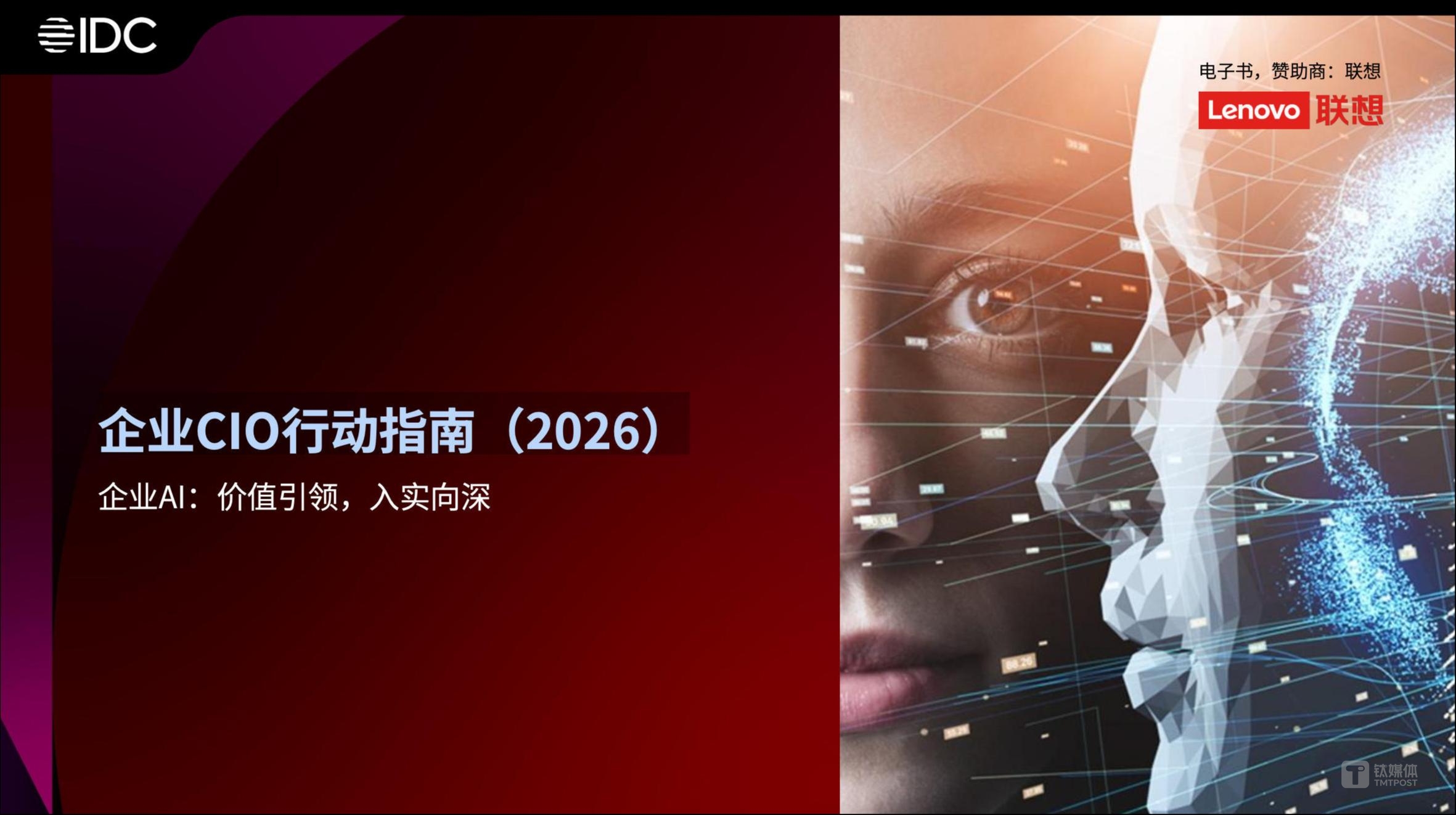
💡6 steps to evolve enterprise AI into a 2026 competitive powerhouse.
⚡ 30-Second TL;DR
What Changed
AI evolution from peripheral tool to core business engine.
Why It Matters
Guides enterprises to build AI systems for lasting advantage, influencing strategy amid intensifying AI competition. Helps prioritize value-driven transformations over tactical implementations.
What To Do Next
Benchmark your firm's AI setup against the six core actions for 2026 readiness.
Key Points
- •AI evolution from peripheral tool to core business engine.
- •Solid technical foundation as essential base.
- •Organization and talent adaptation for AI integration.
- •Tight ecosystem synergy for systemic capabilities.
🧠 Deep Insight
Background and context from public sources — not the original article. 8 sources cited.
🔑 Enhanced Key Takeaways
- •Inference compute now dominates enterprise AI spending, accounting for two-thirds of all AI compute in 2026 (up from one-third in 2023), with the inference-optimized chip market exceeding $50 billion—shifting focus from model training to deployment efficiency and real-world operational costs[4].
- •Agentic AI systems have matured into autonomous multi-step task executors capable of handling complex workflows like financial reconciliation, inventory management, and customer service with minimal human oversight, representing a fundamental shift from rule-based automation to goal-driven autonomous agents[1][2].
- •Small, AI-empowered teams of 3-5 senior individuals are now delivering enterprise-grade software delivery previously requiring dozens of staff, with agentic systems handling coordination and execution layers—demonstrating that organizational restructuring, not just tool adoption, is critical for AI ROI[4].
- •Only one-third of surveyed organizations are using AI to deeply transform business (creating new products/services or reinventing core processes), while two-thirds remain at surface-level optimization, indicating a significant maturity gap between early adopters and mainstream enterprises[6].
- •2026 is positioned as the 'year of semantic layers' in AI, where shared data definitions and business context become essential infrastructure—addressing a critical gap where AI systems struggle to operate reliably without standardized enterprise semantics and governance frameworks[3].
🛠️ Technical Deep Dive
- •Agent orchestration frameworks (LangChain, StackAI, Auto-GPT) enable multi-step planning and autonomous decision-making by integrating LLMs with tool access and persistent memory systems[2].
- •API-first deployment patterns embed AI capabilities into enterprise applications (CRM, ERP, analytics pipelines) via microservices and event streams, enabling cross-system orchestration and standardized access across teams[1].
- •Real-time data pipelines and observability layers supply performance metrics and risk signals to enterprise dashboards, creating feedback loops for continuous monitoring of agentic AI system performance[1].
- •Inference-optimized chip architectures dominate 2026 infrastructure spending ($50B+ market), reflecting the shift from training-heavy workloads to deployment-heavy inference at scale across enterprise operations[4].
🔮 Future ImplicationsAI analysis grounded in cited sources
⏳ Timeline
📎 Sources (8)
Factual claims are grounded in the sources below. Forward-looking analysis is AI-generated interpretation.
- codewave.com — AI Enterprise Adoption 2026
- stack-ai.com — Enterprise AI Agents the Evolution of AI
- matillion.com — Why 2026 Changes Enterprise Data and AI
- hyqoo.com — AI in 2026
- thoughtminds.ai — 10 Gartner Prediction for Enterprise AI Adoption Trends
- deloitte.com — State of AI in the Enterprise
- narwal.ai — Top 5 AI Trends for 2026 Where Intelligence Will Reshape the Enterprise Core
- consultingmag.com — Why Enterprise AI Stalled and What Is Finally Changing in 2026
Weekly AI Recap
Read this week's curated digest of top AI events →
👉Related Updates



AI-curated news aggregator. All content rights belong to original publishers.
Original source: 钛媒体 ↗
This is a summary, not the original. Read the source, or get the weekly briefing.
Weekly AI briefing
One email a week. Unsubscribe anytime.