56E: The Last Stand of Traditional Luxury Sedans
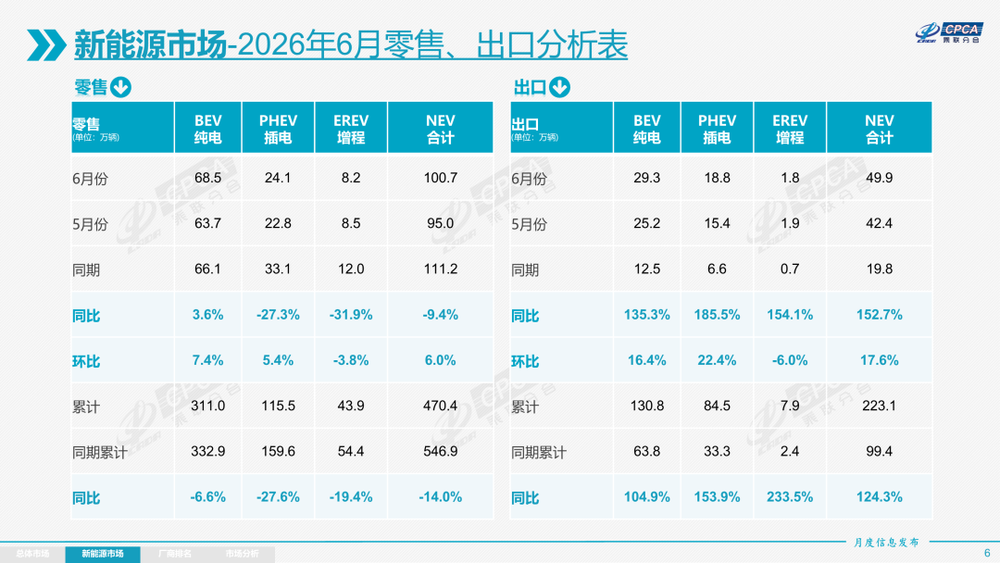
💡Understand why traditional luxury brands still dominate the high-end market despite the EV transition.
⚡ 30-Second TL;DR
What Changed
56E maintains a near-monopoly on the 400k+ RMB sedan segment.
Why It Matters
The resilience of 56E suggests that brand legacy and social signaling are significant factors that AI-driven automotive startups must address to capture the high-end market.
What To Do Next
Analyze the user sentiment data of luxury car owners to identify which 'emotional' features can be replicated in AI-integrated smart cockpits.
Key Points
- •56E maintains a near-monopoly on the 400k+ RMB sedan segment.
- •Business reception remains a critical barrier to entry for domestic EV competitors.
- •Traditional luxury brands are relying on aggressive price cuts and financial incentives to maintain market share.
- •The defense of 56E is based on 'mindshare' rather than powertrain superiority.
🧠 Deep Insight
AI-generated analysis for this event — not the original article.
🔑 Enhanced Key Takeaways
- •The '56E' market share in China has faced significant erosion from domestic NEV brands like NIO (ET7/ET9) and Li Auto, which are increasingly targeting the executive sedan segment with advanced autonomous driving features.
- •Data from 2025-2026 indicates that while 56E sales volume remains high, the average transaction price (ATP) has dropped by over 20% due to sustained price wars, compressing dealer margins significantly.
- •The 'social currency' of 56E is being challenged by a demographic shift where younger Chinese entrepreneurs increasingly prioritize 'tech-forward' luxury experiences over traditional European brand prestige.
- •Mercedes-Benz, BMW, and Audi have accelerated the localization of their software stacks in China, partnering with local tech giants to integrate voice assistants and navigation systems that compete with domestic EV interfaces.
- •The secondary market value (resale value) for 56E models has plummeted to historic lows, undermining the long-standing 'financial stability' argument previously used by traditional luxury dealerships.
📊 Competitor Analysis▸ Show
| Feature | 56E (Traditional) | Domestic NEV (e.g., NIO ET7/Xiaomi SU7) | Tesla Model S |
|---|---|---|---|
| Powertrain | ICE / Mild Hybrid | Pure Electric | Pure Electric |
| Smart Cockpit | Legacy OS / CarPlay | AI-Native / Voice-First | Minimalist / High-Perf |
| Autonomous Driving | L2 (Basic) | L2+/L3 (Advanced) | FSD (Vision-only) |
| Pricing Strategy | High MSRP / Deep Discounts | Transparent / Value-Added | Dynamic / Market-Linked |
🛠️ Technical Deep Dive
- 56E models utilize modular platforms (e.g., MRA for Mercedes, MLB Evo for Audi) optimized for longitudinal engine placement and traditional mechanical refinement.
- Recent updates focus on 48V mild-hybrid systems to meet stricter emissions standards while maintaining traditional driving dynamics.
- Infotainment architectures are transitioning from proprietary closed systems to Android-based or localized OS layers to support Chinese app ecosystems.
- Suspension systems rely on sophisticated multi-link setups and optional air suspension, which remain a benchmark for ride comfort compared to early-stage EV competitors.
🔮 Future ImplicationsAI analysis grounded in cited sources
⏳ Timeline
Weekly AI Recap
Read this week's curated digest of top AI events →
👉Related Updates

AI-curated news aggregator. All content rights belong to original publishers.
Original source: 虎嗅 ↗
This is a summary, not the original. Read the source, or get the weekly briefing.
The weekly digest
One email a week. Unsubscribe anytime.