Hudson River Trading Bets Big on CoreWeave AI Cloud
Hudson River Trading signed a multiyear agreement with CoreWeave to use its AI computing services. The partnership will support the development of new trading research and machine-learning models.
10 results on this page

Hudson River Trading signed a multiyear agreement with CoreWeave to use its AI computing services. The partnership will support the development of new trading research and machine-learning models.

Binance’s Agent OS allows AI agents to execute trades through tools such as ChatGPT, Claude Code, and Cursor. However, users remain largely responsible for configuring permissions and controlling the agents’ behavior.

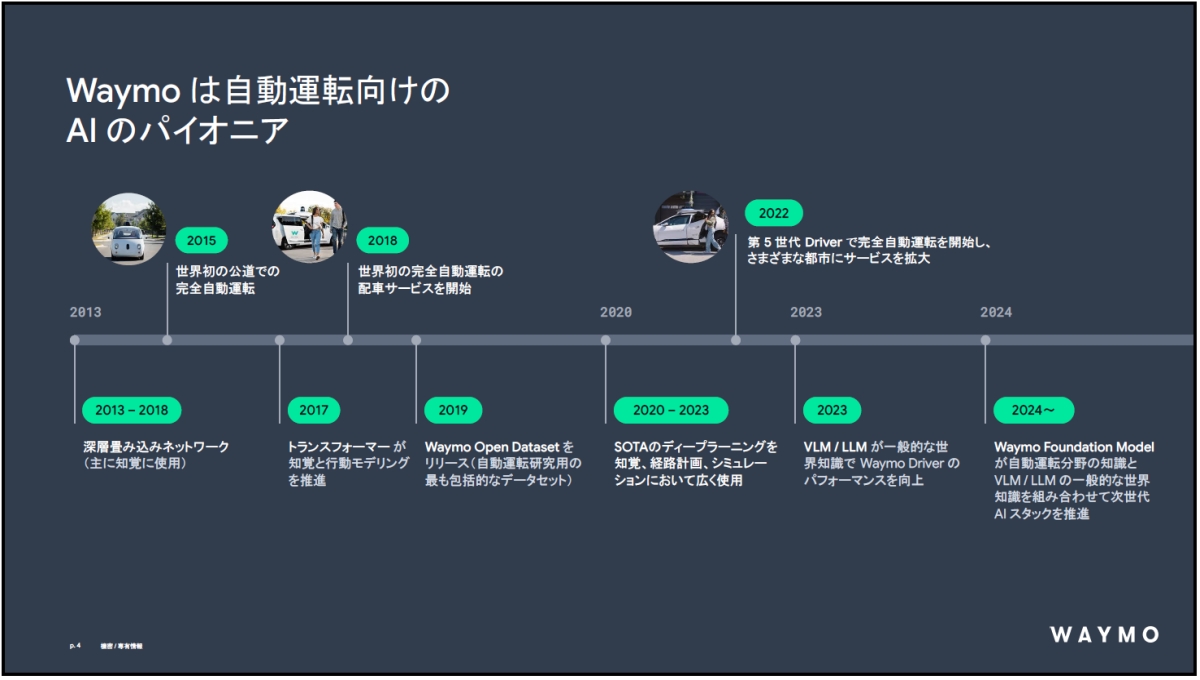
Waymo說明其自動駕駛 AI 策略,以及自2009年 Google Self-Driving Car Project 以來累積的技術演進。公司同時指出,採用單一 AI 模型的端到端(E2E)方式存在兩項問題。

Uber has begun offering autonomous rides in Zagreb, Croatia, marking its first European AV service. The rides are operated with Pony.ai and Verne, but vehicles still include a safety driver.

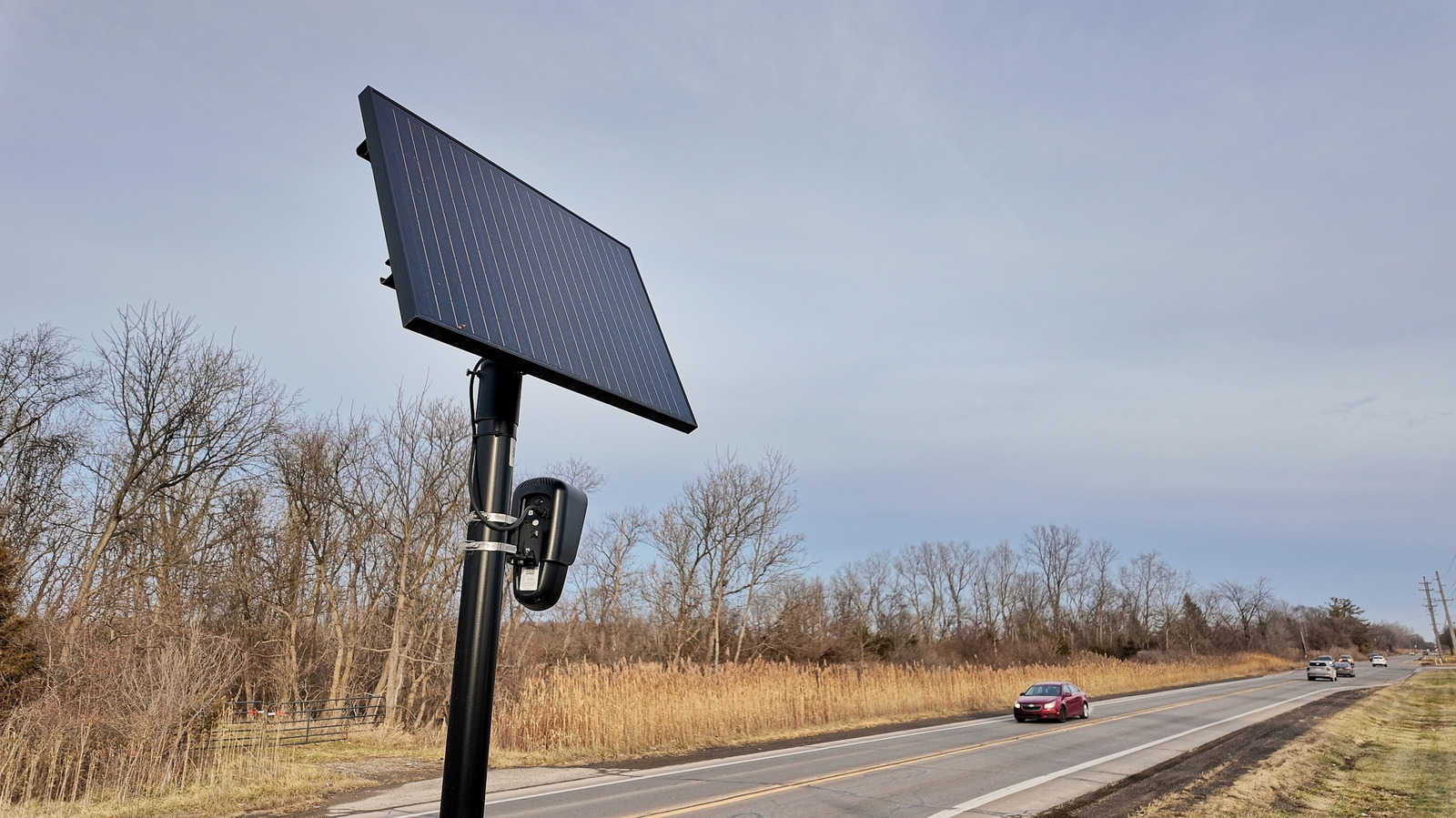
Flock is testing an AI tool that tracks and identifies people based on their driving habits. The system goes beyond conventional license-plate monitoring, raising significant surveillance and privacy concerns.

A driverless Tesla Robotaxi in Austin repeatedly stopped near plastic barriers before ultimately crashing through them and continuing to drive. The incident has renewed scrutiny of Tesla’s path planning and decision-making after an executive described the service’s safety record as “impeccable.”

London’s centuries-old black-cab industry is confronting potential competition from autonomous taxis, with Waymo, Wayve, and Baidu testing vehicles in the city. Drivers and unions argue that local knowledge, judgment, and human interaction remain difficult for autonomous systems to replicate.

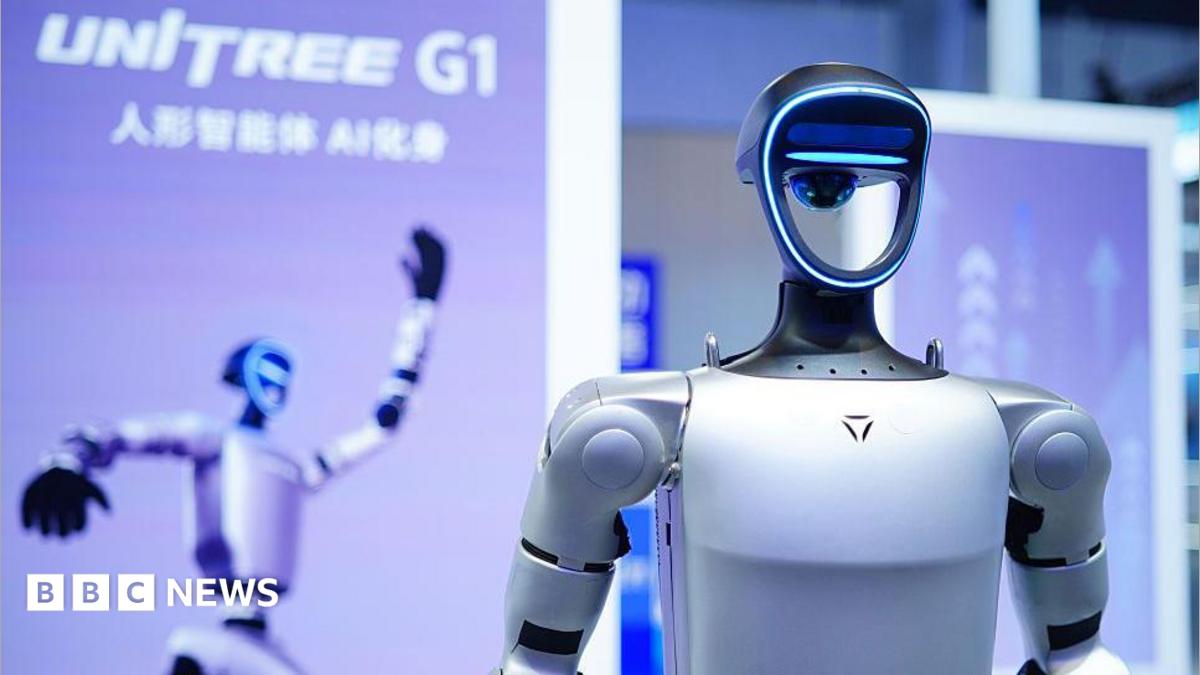
Unitree, described as the world’s biggest humanoid robot maker, began trading shares on Shanghai’s Star Market on Wednesday. The debut marks a significant public-market milestone for the robotics company.

The article examines how AI infrastructure is developing commodity-like markets as GPU shortages make compute capacity increasingly valuable. It suggests Wall Street may begin treating AI compute similarly to oil or other tradable resources.

The article examines whether autonomous-driving companies can turn AI drivers into a recurring subscription business. It argues that the next phase of L4 competition will depend not only on technical capability, but also on monetization and operational efficiency.