
Gen Z Uses AI Most, Optimism Plummets
Gen Z relies on AI more than any group. Yet a Gallup survey reveals their optimism has sharply declined. This raises questions on shifting youth attitudes.
Tag: #gen-z26 results
Gen Z relies on AI more than any group. Yet a Gallup survey reveals their optimism has sharply declined. This raises questions on shifting youth attitudes.
A Gallup study shows half of Gen Z uses AI regularly. However, their feelings are souring, with young adults growing less hopeful and more angry about artificial intelligence.

New OpenAI data shows users leverage ChatGPT for personal expression and venting as much as work tasks. Younger users especially treat it like a sounding board. This shift reveals evolving AI interaction patterns.

Gen Z dating apps such as Ditto are moving away from swipe-based discovery in response to users' growing dissatisfaction with conventional dating platforms. These services are experimenting with AI matchmakers as an alternative way to connect people.
Major tech companies including OPPO, Honor, Insta360, and RayNeo are entering the 'Cyber-Badge' market. These small, screen-equipped wearable devices are becoming a cultural phenomenon among young consumers.

The 2026 New Youth Venture Capital Conference held in Shanghai highlights the emergence of Gen Z entrepreneurs. This marks a shift in the venture capital cycle towards younger, tech-driven leadership.
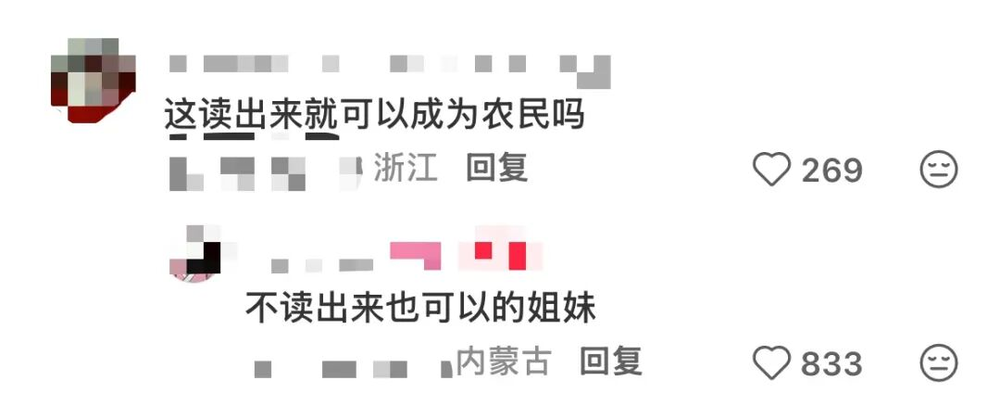
Young students are increasingly turning to agricultural studies as a way to escape the 'rat race' of high-pressure tech and corporate careers, finding mental health benefits in the tangible, slow-paced nature of farming.
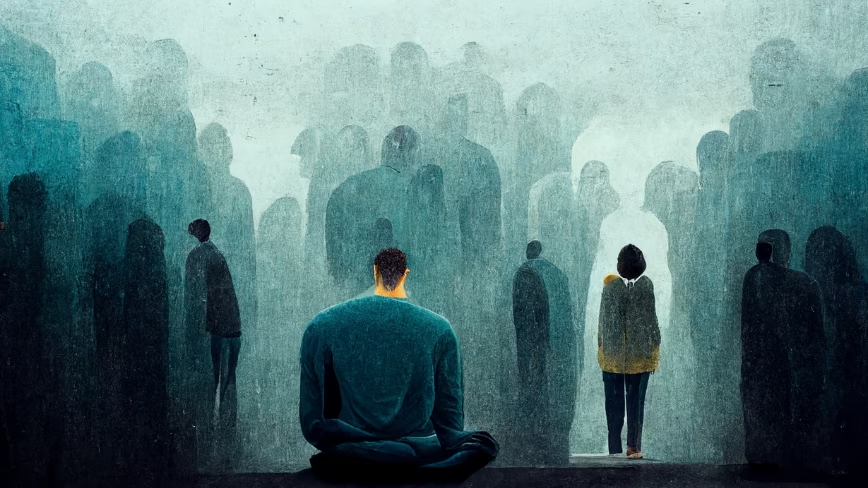
The article explores how technology has enabled Gen Z to monetize solitude. It examines the societal shift toward independent digital lifestyles and the role of tech in facilitating this trend.

The article critiques the 'photo-first' (chupian) culture among young Chinese, where life experiences are reduced to content production for social media. It explores the psychological and social costs of prioritizing aesthetic documentation over genuine engagement.

The article explores the cultural phenomenon of 'CringeTok,' where Gen Z creators navigate the fear of being perceived as cringeworthy in an era of constant surveillance. It highlights how social media pressures influence content creation and public behavior.