🐯虎嗅•較早收集於 3m
吳軍預測2028年AI泡沫
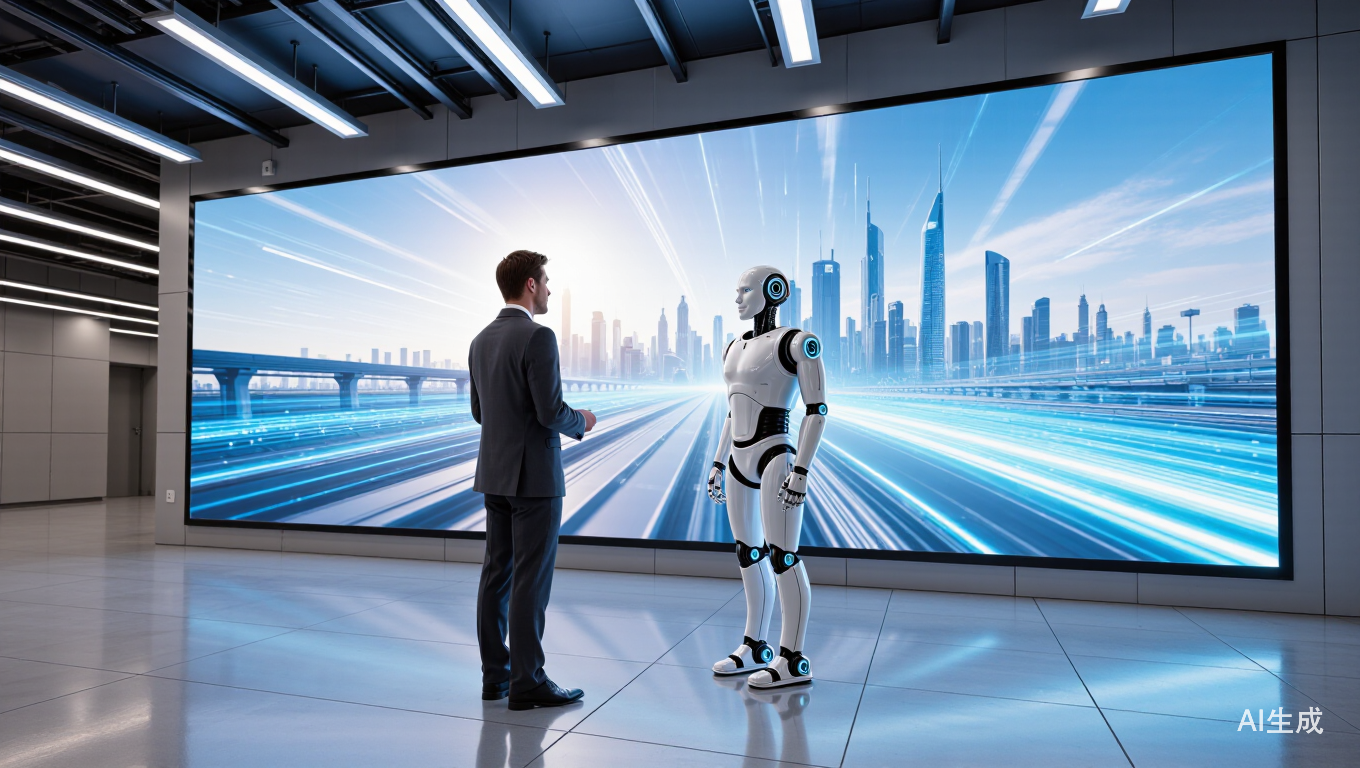
💡Veteran investor Wu Jun warns 2028 AI crash—lessons for surviving the purge
⚡ 30-Second TL;DR
有什麼變化
AI泡沫預計2028年爆發,多數公司如歷史週期般消亡
為什麼重要
預示產業洗牌;AI創辦人須建構超越炒作的護城河。偏好專用機器人而非炫目人形,提升中國硬體優勢。
下一步行動
Benchmark your AI model efficiency against DeepSeek to compete with US leaders.
誰應關注:Founders & Product Leaders
關鍵要點
- •AI泡沫預計2028年爆發,多數公司如歷史週期般消亡
- •人形機器人無必要;機器狗等專用形式在真實場景更優
- •中國機器人領先得益於勤奮人力及深圳供應鏈
- •華裔來自頂尖中國大學主宰矽谷AI崗位,因數學基礎扎實
- •美國領先Transformer等基礎模型;中國優化效率
🧠 深度解析
背景與延伸:來自公開資料,非原文內容。引用 5 個來源。
🔑 增強重點摘要
- •AI hyperscalers like Amazon, Alphabet, Meta, and Microsoft spent nearly $300 billion on capital expenditures in 2025, representing 1.3% of U.S. GDP, projected to rise to 1.6% in 2026, fueling bubble concerns.[5]
- •Manifold Markets assigns a 37% probability to an AI bubble bursting before 2028, defined by 30% stock declines in three major AI firms or reduced venture funding, confirmed by three major news outlets.[2]
- •World Economic Forum outlines a post-bubble scenario where AI investment slows, new firms struggle, but economic fallout is milder than 2008 due to AI's real value, shifting focus to utilizing existing infrastructure.[3]
🔮 前景展望AI analysis grounded in cited sources
AI capex will reach 1.6% of U.S. GDP in 2026
Hyperscalers' collective spending on AI hardware and infrastructure is projected to increase from 1.3% in 2025, amplifying bubble risks per GMO analysis.[5]
No bubble burst indicators evident yet
GMO notes absence of key signs like speculative stock collapses or quality stock outperformance, suggesting the AI top has not formed as of early 2026.[5]
Post-bubble AI investment pace slows but continues
World Economic Forum scenario predicts large companies will use existing AI assets with slower, less disruptive investment after a reckoning.[3]
📎 來源 (5)
Factual claims are grounded in the sources below. Forward-looking analysis is AI-generated interpretation.
📰
AI 週報
閱讀本週精選 AI 大事摘要 →
👉相關動態

AI 策展新聞聚合。所有內容版權歸原始發布者所有。
原始來源: 虎嗅 ↗
每週 AI 簡報
每週一封,可隨時退訂。