🐳Docker Blog•較早收集於 21m
AI 代理的沙箱策略比較
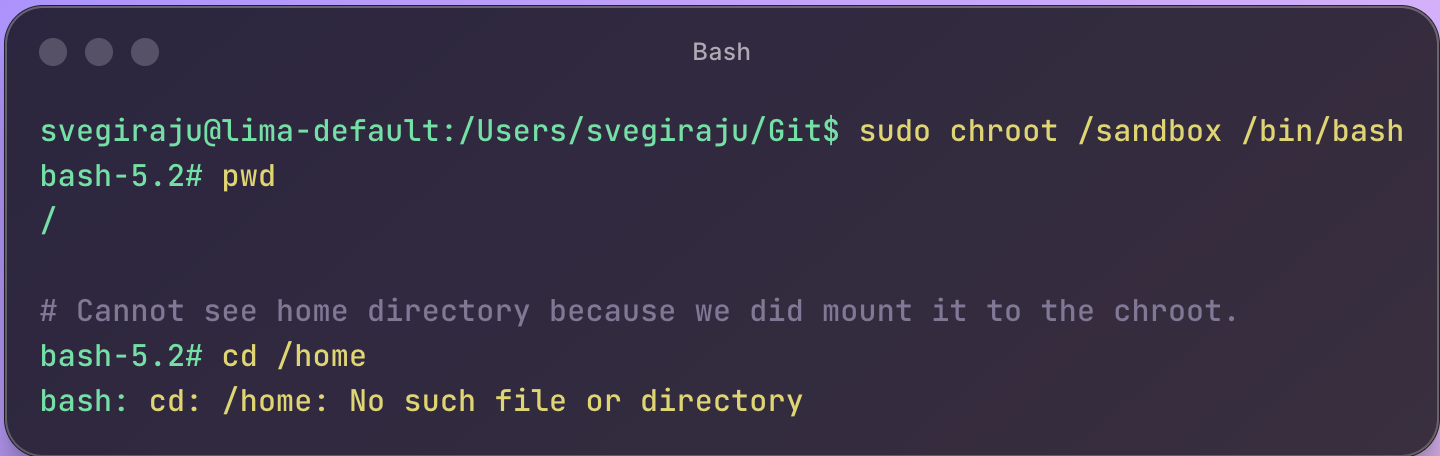
💡沙箱比較對生產環境安全部署 AI 代理至關重要(28字元)
⚡ 30-Second TL;DR
有什麼變化
強調沙箱技術對自主代理環境至關重要
為什麼重要
此分析引導 AI 建構者選擇安全隔離方法,降低部署自主代理的風險。影響可擴展 AI 應用程式的基礎設施選擇。
下一步行動
檢閱 Docker 的沙箱指南,以安全隔離你的 AI 代理原型。
誰應關注:Developers & AI Engineers
關鍵要點
- •強調沙箱技術對自主代理環境至關重要
- •引用洞見,改變工程師、產品經理與設計師的日常作法
- •聚焦代理運作的人類干預最小化
- •討論代理系統的基本需求
🧠 深度解析
AI-generated analysis for this event.
🔑 增強重點摘要
- •Docker's approach emphasizes the use of ephemeral, lightweight containers to isolate AI agent execution, specifically addressing the risk of 'prompt injection' and unauthorized system access by limiting the agent's filesystem and network visibility.
- •The strategy integrates with existing CI/CD pipelines, allowing developers to treat AI agent environments as version-controlled infrastructure, ensuring reproducibility when agents interact with external APIs or execute code.
- •Docker is positioning its 'Docker Engine' and 'Docker Desktop' extensions as the primary runtime layer for agentic workflows, aiming to solve the 'cold start' latency issues inherent in traditional virtual machine-based sandboxing.
📊 競品分析▸ Show
| Feature | Docker (Agent Sandboxing) | E2B (Code Interpreter SDK) | Modal (Serverless GPU/CPU) |
|---|---|---|---|
| Primary Focus | Container-based isolation | Specialized AI code execution | Serverless compute scaling |
| Pricing | Freemium/Enterprise | Usage-based | Usage-based |
| Benchmarking | High compatibility with local dev | Optimized for LLM code execution | High-performance parallel tasks |
🛠️ 技術深入
- Isolation Mechanism: Utilizes Linux namespaces and cgroups to restrict agent processes, preventing lateral movement within the host OS.
- Network Control: Implements egress filtering via Docker network drivers to prevent agents from communicating with unauthorized command-and-control (C2) servers.
- Resource Constraints: Enforces strict CPU and memory limits per agent instance to mitigate potential Denial of Service (DoS) attacks originating from runaway agent loops.
- Ephemeral Filesystems: Employs overlay filesystems (OverlayFS) to ensure that any changes made by an agent are discarded upon container termination, preventing persistent malware installation.
🔮 前景展望AI analysis grounded in cited sources
Container-based sandboxing will become the industry standard for enterprise AI agents by 2027.
The need for reproducible, secure, and low-latency environments makes containerization more viable than heavy virtualization for high-frequency agentic tasks.
Docker will introduce native 'Agent-as-a-Service' orchestration features.
The shift toward autonomous agents necessitates built-in lifecycle management for containerized agents directly within the Docker platform.
⏳ 時間線
2023-05
Docker announces strategic focus on AI/ML developer tooling.
2024-02
Docker launches 'Docker AI' assistant to aid in container configuration.
2025-09
Docker introduces enhanced security features for containerized AI workloads.
📰
AI 週報
閱讀本週精選 AI 大事摘要 →
👉相關動態
AI 策展新聞聚合。所有內容版權歸原始發布者所有。
原始來源: Docker Blog ↗