來源cnBeta (Full RSS)•較早收集於 22h
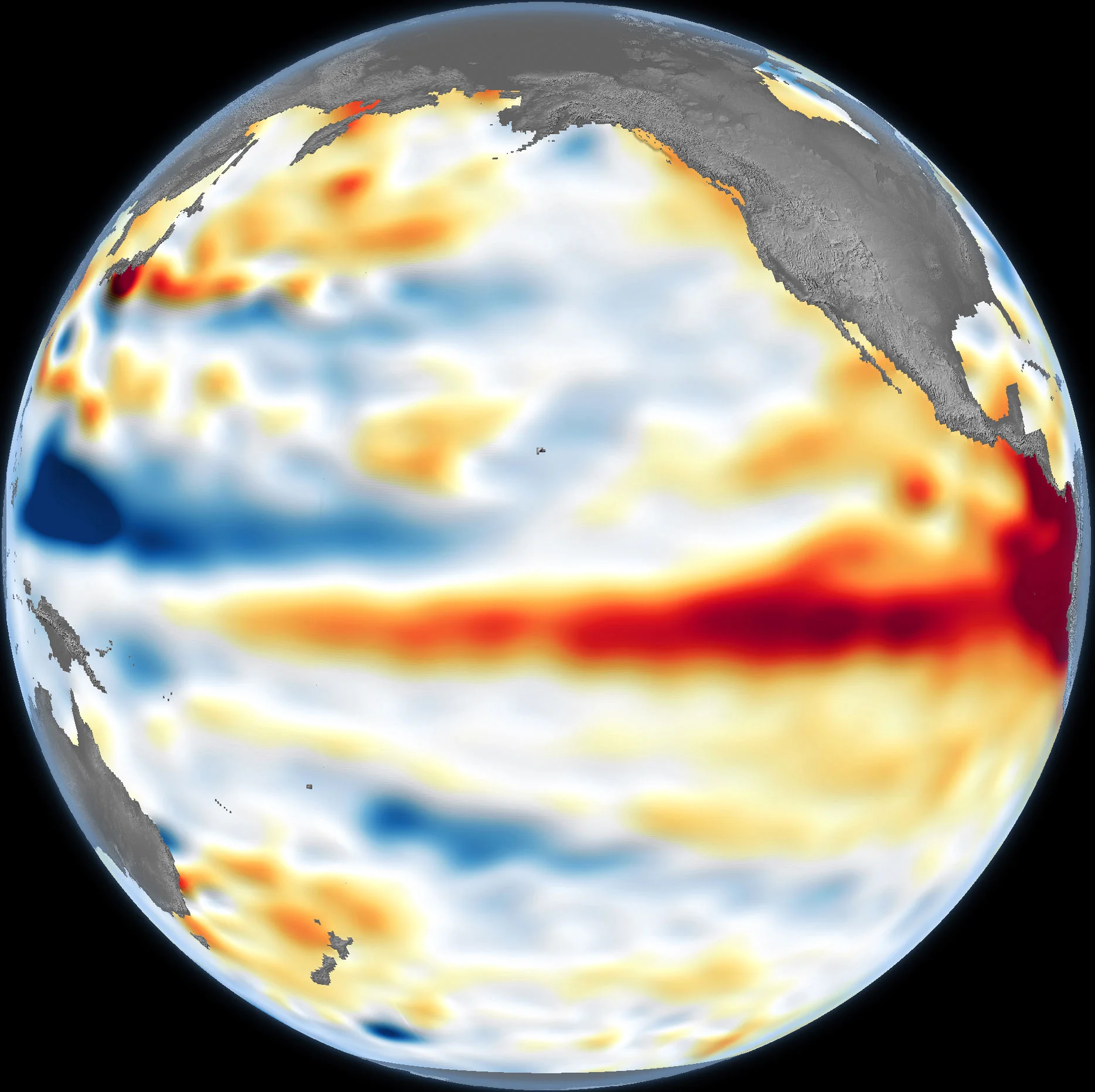
NASA衛星監測顯示太平洋深處正醞釀強烈聖嬰現象
💡為構建強大的供應鏈與大宗商品價格預測模型提供關鍵氣候數據。
⚡ 30 秒速覽
有什麼變化
NOAA於2026年6月11日正式宣布聖嬰現象回歸。
為什麼重要
聖嬰現象會嚴重干擾全球供應鏈與農業產量,這些是物流與大宗商品交易預測AI模型的關鍵變數。
下一步行動
將NOAA的即時氣候API數據整合至您的供應鏈風險評估模型中,以應對聖嬰現象帶來的波動。
誰應關注:Developers & AI Engineers
關鍵要點
- •NOAA於2026年6月11日正式宣布聖嬰現象回歸。
- •海面溫度已連續數月高於正常水平至少0.5攝氏度。
- •NASA衛星監測正追蹤深海熱異常現象。
🧠 深度解析
本篇為 AI 生成分析,非原文內容。
🔑 增強重點摘要
- •The 2026 El Niño event is being characterized by meteorologists as a 'rapid-onset' cycle, differing from the slower development patterns observed in the 2015-2016 super El Niño.
- •Data from the Sentinel-6 Michael Freilich satellite indicates that sea level height anomalies in the Pacific have risen by over 10 centimeters, a key indicator of the expanded warm water volume.
- •Agricultural commodity markets, particularly for coffee and palm oil, have already begun pricing in potential supply chain disruptions in Southeast Asia and South America due to anticipated drought conditions.
- •The current event is occurring against a backdrop of record-high global ocean heat content, which climate scientists suggest may amplify the intensity of the El Niño's atmospheric teleconnections.
- •NOAA's Climate Prediction Center has issued an 'El Niño Advisory,' signaling that the phenomenon is expected to persist through the Northern Hemisphere winter of 2026-2027.
🛠️ 技術深入
- Monitoring utilizes the Jason-3 and Sentinel-6 Michael Freilich altimetry missions to measure sea surface height (SSH) with millimeter precision.
- Deep-ocean thermal anomalies are tracked using the Argo float array, a global network of nearly 4,000 autonomous robotic probes that measure temperature and salinity down to 2,000 meters.
- Satellite-based microwave radiometers, such as those on the GPM (Global Precipitation Measurement) core observatory, are used to detect changes in atmospheric water vapor and sea surface temperature (SST) even through cloud cover.
- Climate models (e.g., CFSv2) integrate real-time satellite SST data with subsurface ocean heat content to forecast the evolution of the equatorial thermocline depth.
🔮 前景展望基於引用來源的 AI 分析
Global average temperatures will likely reach new record highs in late 2026 and early 2027.
El Niño events typically release significant heat from the ocean into the atmosphere, compounding the warming trend caused by anthropogenic greenhouse gas emissions.
Increased frequency of extreme precipitation events in the Southern United States and Peru.
The shift in the Pacific jet stream associated with El Niño historically redirects storm tracks, leading to higher-than-average rainfall in these specific geographic regions.
⏳ 時間線
2026-03
Initial detection of anomalous Kelvin waves moving eastward across the equatorial Pacific.
2026-05
NOAA reports a significant weakening of trade winds, a precursor to El Niño development.
2026-06
Official declaration of El Niño conditions by NOAA following sustained SST anomalies.
📰
AI 週報
閱讀本週精選 AI 大事摘要 →
👉相關動態
AI 策展新聞聚合。所有內容版權歸原始發布者所有。
原始來源: cnBeta (Full RSS) ↗
每週電子報
每週一封,可隨時退訂。