來源較早收集於 12m

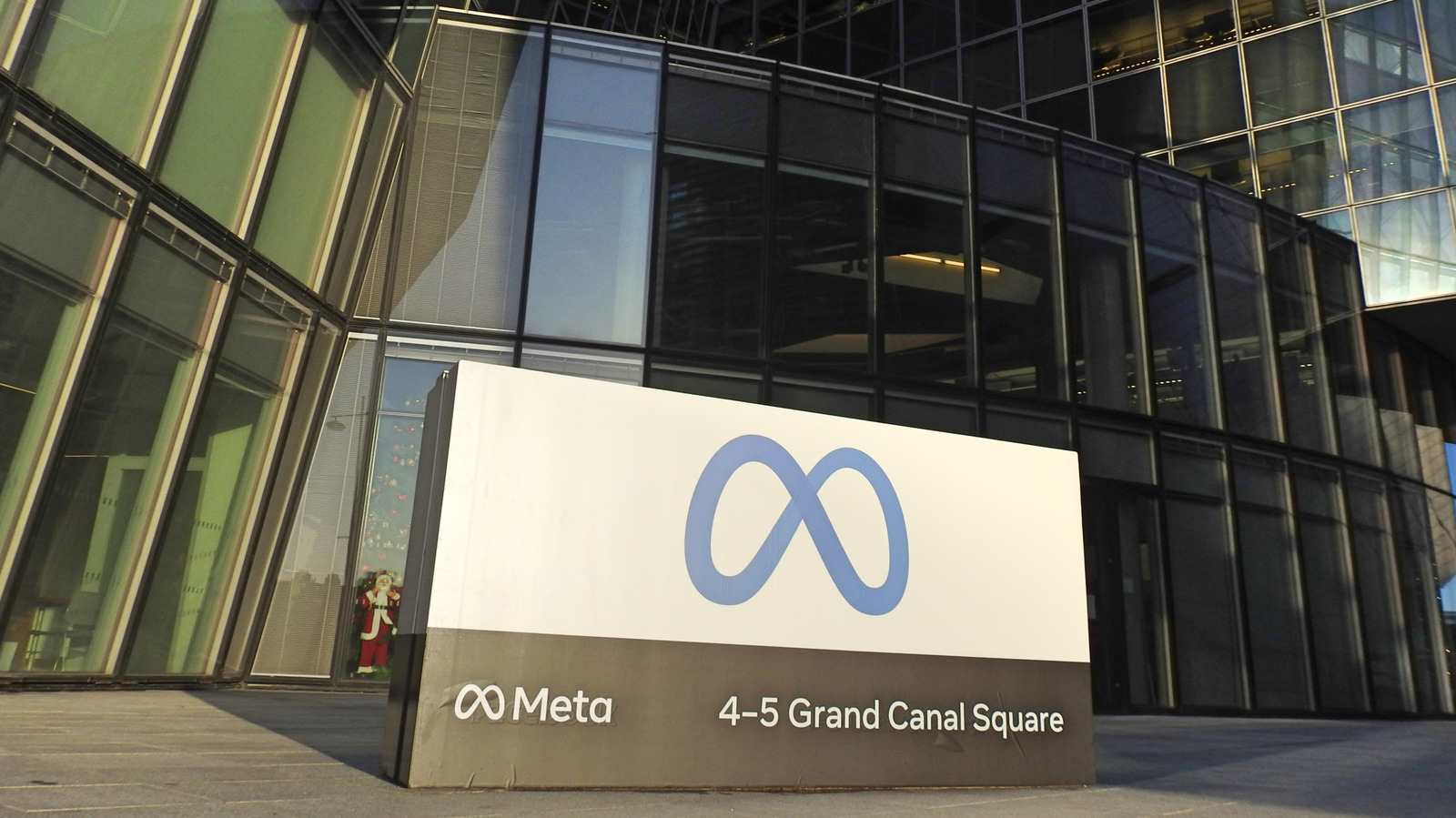
Meta 因 AI 驅動的裁員偏見遭起訴

閱讀原文: The Verge
#ai-ethics#hr-tech#lawsuit#bias

關於將 AI 整合至人力資源績效排名系統時,所面臨的關鍵法律風險警示。

30 秒速覽

有什麼變化

26 名離職員工對 Meta 提起訴訟

為什麼重要

此案為人力資源領域的 AI 倫理樹立了重要先例,強調了「黑箱」績效管理系統所帶來的法律風險。

下一步行動

針對任何影響就業或法律地位的 AI 決策系統,務必實施「人在迴路」(human-in-the-loop) 的驗證機制。

誰應關注:Enterprise & Security Teams

關鍵要點

  • 26 名離職員工對 Meta 提起訴訟
  • AI 績效排名工具據稱懲罰了處於受保護休假的員工
  • 訴訟凸顯了在人力資源決策中使用自動化系統的風險

深度解析

本篇為 AI 生成分析,非原文內容。

增強重點摘要

  • The lawsuit specifically challenges Meta's 'Performance Rating and Ranking' (PRR) system, alleging it lacks human oversight when processing leave-of-absence data.
  • Plaintiffs argue that the algorithm disproportionately impacted employees in California, citing violations of the California Fair Employment and Housing Act (FEHA).
  • Internal documents cited in the filing suggest that Meta engineers were aware of 'data gaps' regarding leave status but proceeded with the deployment of the automated ranking tool.
  • The legal complaint seeks class-action status, potentially expanding the scope to include hundreds of other employees affected by layoffs between 2023 and 2025.
  • Meta has publicly defended its performance review process, stating that AI tools are used only as a 'supplemental signal' and that final layoff decisions are subject to human review.

競品分析

Primary Use
Meta (PRR System)
Performance Ranking
Google (GRAD System)
Performance Calibration
Amazon (Pivot/Performance)
Performance Improvement
AI Integration
Meta (PRR System)
High (Automated Ranking)
Google (GRAD System)
Moderate (Calibration Support)
Amazon (Pivot/Performance)
Low (Manager-Led)
Transparency
Meta (PRR System)
Low (Black-box concerns)
Google (GRAD System)
Moderate (Manager-led)
Amazon (Pivot/Performance)
Low (Algorithmic flagging)

技術深入

  • The system utilizes a proprietary machine learning model trained on historical performance data, peer feedback, and project completion metrics.
  • The architecture incorporates a 'ranking normalization' layer designed to distribute performance scores across a bell curve, which plaintiffs claim fails to adjust for periods of inactivity.
  • Data ingestion pipelines for the tool reportedly pull from HRIS (Human Resources Information Systems) but allegedly lack a 'protected leave' flag that automatically adjusts performance expectations.
  • The model employs a gradient-boosted decision tree approach to weight various performance inputs, which the lawsuit claims creates an inherent bias against non-continuous work cycles.

前景展望基於引用來源的 AI 分析

Increased regulatory scrutiny of HR algorithms
This lawsuit will likely trigger state-level legislative efforts to mandate 'algorithmic impact assessments' for all automated employment decision-making tools.
Shift toward 'Human-in-the-loop' mandates
Companies will be forced to implement strict audit trails proving that human managers, not AI, made the final determination for termination to mitigate legal liability.

時間線

2022-11
Meta announces 'Year of Efficiency' and initiates large-scale workforce reductions.
2023-03
Meta implements new AI-driven performance ranking tools to streamline management decisions.
2024-05
Initial internal complaints regarding performance bias are filed with Meta's HR department.
2026-06
Formal class-action lawsuit filed by 26 former employees in California Superior Court.

事件追蹤

AI 週報

閱讀本週精選 AI 大事摘要 →

AI 策展新聞聚合。所有內容版權歸原始發布者所有。
原始來源: The Verge

這是摘要,不是原文。去看原站,或訂閱每週簡報。

每週電子報

每週一封,可隨時退訂。