來源cnBeta (Full RSS)•較早收集於 6h
繪製古老大陸地底下的稀土藏寶圖
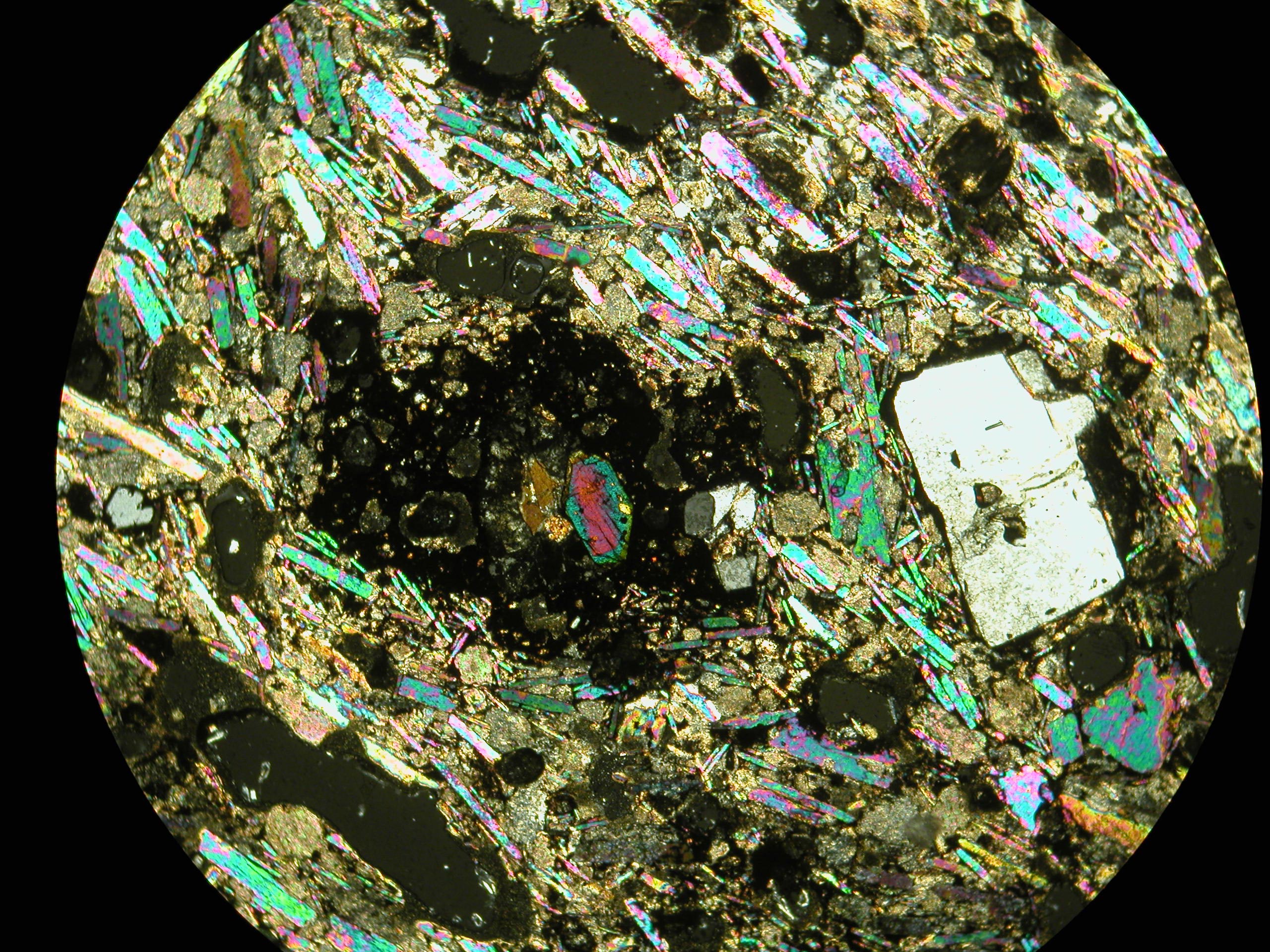
了解稀土供應鏈對於長期的 AI 硬體與機器人基礎設施規劃至關重要。
30 秒速覽
有什麼變化
稀土元素與深層岩石圈根部中富含二氧化碳的火成岩密切相關。
為什麼重要
這項研究可能會重塑稀土金屬的供應鏈策略,而稀土金屬是製造高效能 AI 硬體與綠色能源基礎設施的關鍵組件。
下一步行動
如果您正在創辦硬體導向的 AI 新創公司,請密切關注這些地質測繪趨勢,以預測稀土材料成本的潛在波動。
誰應關注:Founders & Product Leaders
關鍵要點
- •稀土元素與深層岩石圈根部中富含二氧化碳的火成岩密切相關。
- •古老且厚實的大陸根部是尋找新礦床的主要指標。
- •研究結果為確保綠色能源硬體的供應鏈提供了戰略優勢。
深度解析
背景與延伸:來自公開資料,非原文內容。引用 21 個來源。
增強重點摘要
- •The University of Cambridge study, led by Dr. Emilie Bowman and Professor Sally Gibson, was published in the journal Nature Geoscience on May 22, 2026.
- •The research involved compiling chemical data from approximately 9,000 CO2-rich igneous rock samples globally and integrating this with seismic imaging data of Earth's deep interior to map lithospheric thickness and structure.
- •The study revealed that the thickest parts of the lithosphere create ideal conditions for rare earth enrichment by trapping small, CO2-rich magma pockets deep underground for millions of years, where metals slowly concentrate.
- •Carbonatites, a specific type of CO2-rich igneous rock, are highlighted as particularly significant, as they host the world's largest rare earth deposits, including Bayan Obo in China, Mountain Pass in California, and Mount Weld in Western Australia.
- •The research team plans to extend their mapping efforts to include rocks older than 200 million years, which are known to host a majority of the world's economically viable rare earth mines and deposits.
技術深入
- The research combined a global database of ~9,000 CO2-rich igneous rock samples with seismic tomography data of the upper mantle to correlate rock chemistry with lithospheric thickness and structure.
- The geological mechanism involves thick lithosphere maintaining high pressure and relatively cool temperatures in the underlying mantle, which suppresses extensive melting.
- Under these conditions, only small fractions of the mantle melt, producing CO2-rich magma pockets that often become trapped at the base of the lithosphere.
- These trapped magma pockets cool and solidify into CO2-rich igneous rocks, and subsequent geological activity can re-melt them, further concentrating rare earth elements into economically viable deposits.
- Different CO2-rich igneous rock types correlate with varying lithospheric thicknesses: basanites with thin lithosphere (<90 km), nephelinites and melilitites with thicker crustal lids (80-120 km), and carbonatites with lithospheric thicknesses around 95-140 km (median 114 km).
- CO2 plays a crucial role in enhancing the concentration of rare earth elements within these magmas.
- Standard analytical techniques for rare earth element study include Inductively Coupled Plasma Mass Spectrometry (ICP-MS), Inductively Coupled Plasma Optical Emission Spectroscopy (ICP-OES), Neutron Activation Analysis (NAA), and X-ray Fluorescence (XRF), with portable XRF being a useful field tool.
前景展望基於引用來源的 AI 分析
The new geological framework will significantly accelerate the discovery of new rare earth deposits globally.
By providing a predictive power for where REE-rich rocks are likely to form, exploration efforts can be more targeted and efficient, reducing the time and cost associated with traditional prospecting.
Diversification of the global rare earth supply chain will increase, reducing reliance on current dominant producers.
Identifying new potential deposits outside current major mining regions can lead to new sources and improve supply security for green energy technologies, lessening geopolitical risks.
The cost of rare earth elements may stabilize or decrease in the long term.
Increased availability from new discoveries could alleviate supply shortages and reduce price volatility driven by high demand and concentrated supply, benefiting industries reliant on these critical materials.
時間線
1787
Carl Axel Arrhenius discovered a black mineral (later gadolinite) near Ytterby, Sweden, which would yield yttrium and other rare earths.
1794
Johan Gadolin analyzed Arrhenius's mineral, discovering yttria and marking the first identification of a rare earth compound.
1803
Cerium, the first individual rare earth element, was isolated independently by Jöns Jacob Berzelius and Wilhelm Hisinger, and Martin Heinrich Klaproth.
1859
The invention of the spectroscope by Kirchhoff and Bunsen, along with spectral analysis, provided crucial tools for accelerating rare earth element discoveries.
1947
Promethium, the last naturally occurring rare earth element, was unequivocally identified at Oak Ridge National Laboratory.
2026-05
University of Cambridge researchers publish findings on mapping rare earth elements beneath ancient continents in Nature Geoscience.
- 1787Carl Axel Arrhenius discovered a black mineral (later gadolinite) near Ytterby, Sweden, which would yield yttrium and other rare earths.
- 1794Johan Gadolin analyzed Arrhenius's mineral, discovering yttria and marking the first identification of a rare earth compound.
- 1803Cerium, the first individual rare earth element, was isolated independently by Jöns Jacob Berzelius and Wilhelm Hisinger, and Martin Heinrich Klaproth.
- 1859The invention of the spectroscope by Kirchhoff and Bunsen, along with spectral analysis, provided crucial tools for accelerating rare earth element discoveries.
- 1947Promethium, the last naturally occurring rare earth element, was unequivocally identified at Oak Ridge National Laboratory.
- 2026-05University of Cambridge researchers publish findings on mapping rare earth elements beneath ancient continents in Nature Geoscience.
來源 (21)
Factual claims are grounded in the sources below. Forward-looking analysis is AI-generated interpretation.
1cam.ac.ukvertexaisearch.cloud.google.com2clickpetroleoegas.com.brvertexaisearch.cloud.google.com3tun.comvertexaisearch.cloud.google.com4dailygalaxy.comvertexaisearch.cloud.google.com5scienceblog.comvertexaisearch.cloud.google.com6scitechdaily.comvertexaisearch.cloud.google.com7sciencedaily.comvertexaisearch.cloud.google.com8thermofisher.comvertexaisearch.cloud.google.com9geoscienceworld.orgvertexaisearch.cloud.google.com10malvernpanalytical.comvertexaisearch.cloud.google.com11mdpi.comvertexaisearch.cloud.google.com12apcoworldwide.comvertexaisearch.cloud.google.com13iss-corporate.comvertexaisearch.cloud.google.com14anavo.comvertexaisearch.cloud.google.com15hamiltonlocke.com.auvertexaisearch.cloud.google.com16wikipedia.orgvertexaisearch.cloud.google.com17arkmines.comvertexaisearch.cloud.google.com18briandcolwell.comvertexaisearch.cloud.google.com19rareearths.comvertexaisearch.cloud.google.com20energysociety.orgvertexaisearch.cloud.google.com21inshorts.comvertexaisearch.cloud.google.com
AI 週報
閱讀本週精選 AI 大事摘要 →
相關動態


AI 策展新聞聚合。所有內容版權歸原始發布者所有。
原始來源: cnBeta (Full RSS) ↗
每週電子報
每週一封,可隨時退訂。