2026春節,巨頭豪擲45億瘋狂補貼AI支付
💡45B subsidies reveal AI agents' intent wars in China super-apps; closed ecosystems crush challengers like Doubao.
⚡ 30-Second TL;DR
有什麼變化
巨頭45億補貼超歷史戰役,推廣語音AI支付。
為什麼重要
加劇AI代理生態戰;阿里等封閉超級App佔優,跨平台挑戰受阻,重塑意圖定價商業模式。
下一步行動
Prototype voice AI agent with Alipay API to test intent-to-payment flows.
關鍵要點
- •巨頭45億補貼超歷史戰役,推廣語音AI支付。
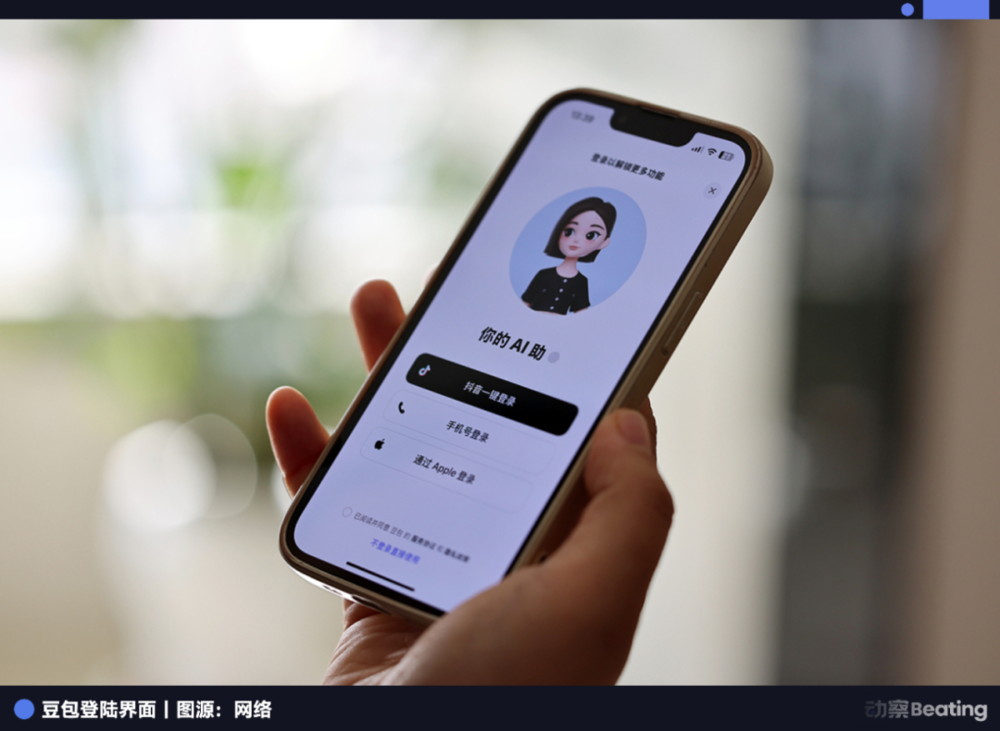
- •豆包手機遭微信、阿里應用、銀行封鎖,因打破生態閉環。
- •千問6天內完成1.2億訂單,靠阿里內部服務無縫串聯。
- •AI競爭從App時長轉向意圖捕捉與決策代理。
🧠 深度解析
背景與延伸:來自公開資料,非原文內容。引用 6 個來源。
🔑 增強重點摘要
- •Chinese tech giants (Alibaba, Tencent, Baidu, ByteDance) deployed over 45 billion RMB in subsidies during 2026 Lunar New Year to drive AI adoption, with Alibaba's 3 billion RMB Qwen campaign and Tencent's 1 billion RMB Yuanbao red packet initiative leading the charge[1][2]
- •The subsidy campaigns represent a strategic shift from user growth metrics to intent capture and decision proxy control, with market analysis indicating that genuine frontier capability rather than subsidized user acquisition is driving long-term value[4]
- •Alibaba's Qwen achieved rapid transaction volume through closed-loop ecosystem integration across Taobao, Fliggy, and other platforms, demonstrating the competitive advantage of vertically integrated AI services[2][4]
- •Chinese government policy under Xi Jinping and Premier Li Qiang emphasizes 'AI Plus' commercialization with near-term economic returns, suggesting an implicit timeline for measurable productivity gains by 2027[1]
- •Despite aggressive domestic competition and subsidy wars, Chinese AI companies face structural challenges including U.S. chip export controls, with the H200 chips approved for export already considered insufficient for state-of-the-art AI training by Chinese tech representatives[3]
📊 競品分析▸ Show
| Company | Campaign | Investment | Strategy | Key Metric |
|---|---|---|---|---|
| Alibaba (Qwen) | Milk tea subsidies + Taobao integration | 3 billion RMB | Closed-loop ecosystem, cross-platform incentives | Top iOS chart ranking, rapid order volume |
| Tencent (Yuanbao) | Red packet campaign via WeChat | 1 billion RMB | WeChat Pay replication model | Temporary service outage from traffic surge |
| Baidu (Wenxin) | Direct subsidies | 500 million RMB | Traditional subsidy approach | Lower visibility in market reports |
| ByteDance (Doubao) | Phone hardware + AI integration | Undisclosed | Hardware-software convergence | Blocked by rival ecosystems (WeChat, Alibaba apps) |
🛠️ 技術深入
- Voice-activated AI payment integration represents shift from text-based chatbots to multimodal agent orchestration across payment rails
- Alibaba's closed-loop architecture enables real-time transaction processing through Qwen agents across Taobao marketplace, Fliggy travel, and Shangou instant commerce platforms
- ByteDance's Doubao phone strategy attempts hardware-software convergence but faces ecosystem fragmentation due to WeChat login restrictions and third-party app blocking
- Chinese AI models (Qwen, Yuanbao, Wenxin, Doubao) operate under content enforcement and sovereignty constraints that differ from Western deployment models
- Chip constraints: H200 chips (two generations behind Nvidia's Rubin series) approved for export but already considered insufficient for training state-of-the-art models by Chinese developers[3]
🔮 前景展望AI analysis grounded in cited sources
The 45 billion RMB subsidy war signals that Chinese AI competition is transitioning from model capability races to user intent capture and payment proxy control. By end of 2026, majority of urban Chinese consumers likely to complete at least one AI agent transaction[4]. However, sustainability concerns exist: market sentiment increasingly discounts user growth achieved through subsidies rather than genuine technological breakthroughs[4]. Government's implicit 2027 productivity timeline may trigger policy recalibration if measurable economic returns fail to materialize[1]. The ecosystem fragmentation (Doubao phone blocked by rivals) suggests winner-take-most dynamics favoring vertically integrated players like Alibaba. Long-term competitive advantage will depend on resolving chip supply constraints and developing independent semiconductor capabilities rather than relying on U.S. export-controlled components[3].
⏳ 時間線
📎 來源 (6)
Factual claims are grounded in the sources below. Forward-looking analysis is AI-generated interpretation.
AI 週報
閱讀本週精選 AI 大事摘要 →
👉相關動態

AI 策展新聞聚合。所有內容版權歸原始發布者所有。
原始來源: 虎嗅 ↗
每週 AI 簡報
每週一封,可隨時退訂。