來源虎嗅•較早收集於 84m
勺嘴鷸棲息地的生態監測
了解環境政策、基礎設施與數據驅動保護之間的交集。
30 秒速覽
有什麼變化
沿海濕地提供碳封存和風暴防護等關鍵生態系統服務。
為什麼重要
強調了將生態數據整合到城市規劃和基礎設施建設中的重要性日益增加。
下一步行動
考慮如何利用地理空間 AI 和衛星圖像來監測棲息地變化並支持保護工作。
誰應關注:Developers & AI Engineers
關鍵要點
- •沿海濕地提供碳封存和風暴防護等關鍵生態系統服務。
- •基礎設施項目常與受保護棲息地衝突,需要更好的生態影響評估。
- •像勺嘴鷸這樣的旗艦物種對於公眾意識和政策倡導至關重要。
深度解析
背景與延伸:來自公開資料,非原文內容。引用 24 個來源。
增強重點摘要
- •The Spoon-billed Sandpiper's drastic population decline, estimated at over 80% since the 1970s, is primarily attributed to extensive intertidal habitat loss in the Yellow Sea region due to land reclamation and significant subsistence hunting in its wintering grounds in Southeast Asia, particularly Myanmar and Bangladesh.
- •International conservation efforts, such as the East Asian-Australasian Flyway Partnership (EAAFP) and the 'headstarting' program (captive breeding and release of chicks), are crucial strategies to boost the species' numbers and coordinate protection across its migratory route.
- •China has implemented significant policy changes, including a ban on further coastal land reclamation and the inscription of key Yellow Sea coastal wetlands, such as Tiaozini, as UNESCO World Heritage Sites, which has been instrumental in slowing the species' annual decline.
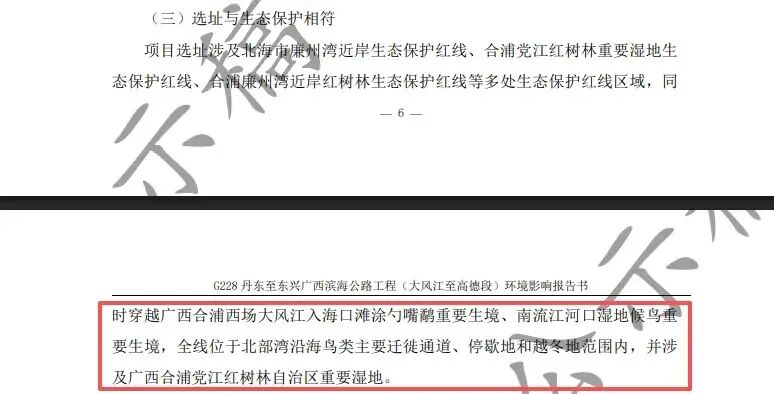
- •Despite these protective measures, new infrastructure projects, such as a recently approved coastal highway in Guangxi, China, continue to pose an immediate threat by encroaching upon important Spoon-billed Sandpiper habitats.
- •Advanced remote sensing technologies, including the Remote Sensing Ecological Index (RSEI) and Landsat imagery, are increasingly utilized in China for objective, rapid, and large-scale monitoring and assessment of coastal wetland ecological quality.
技術深入
- Satellite Tagging: Tiny satellite tags are glued to the birds' back feathers to track their migration routes and identify critical stopover sites, providing vital information for targeted conservation efforts.
- Remote Sensing Ecological Index (RSEI): This integrated index, which does not require manual weight determination, is used for rapid and objective assessment of ecological environmental quality in coastal wetlands, leveraging geospatial data.
- Landsat Imagery: Time-series data from Landsat satellites are employed to monitor landscape changes and interpret wetland types, helping to analyze the rate of change and characteristics of different wetland categories over decades.
- Comprehensive Monitoring Systems: China is developing integrated monitoring systems covering shorelines, sea, and sky to investigate marine ecology, carbon sinks, and formulate ecosystem health early warning systems.
前景展望基於引用來源的 AI 分析
Ongoing infrastructure development in China will continue to challenge coastal wetland conservation efforts.
Despite national policies restricting reclamation, recent approvals for projects like the Guangxi coastal highway indicate persistent pressure on critical habitats, necessitating vigilant monitoring and enforcement.
International collaboration and advanced monitoring technologies will become even more critical for the long-term survival of migratory species.
The Spoon-billed Sandpiper's extensive migratory flyway demands coordinated efforts across multiple nations and relies on tools like satellite tracking and remote sensing for effective conservation.
China's 'ecological red lines' policy and UNESCO World Heritage designations will play a pivotal role in balancing economic development with environmental protection.
These governmental commitments provide a framework for safeguarding key ecological areas, and their successful implementation is crucial for the future of coastal biodiversity.
時間線
1970s
Spoon-billed Sandpiper breeding population estimated at 2000-2800 pairs, beginning a significant decline.
2004
IUCN Red List status upgraded from 'Vulnerable' to 'Endangered'.
2008
IUCN Red List status upgraded to 'Critically Endangered'; major overwintering population discovered in Myanmar's Gulf of Mottama.
2012
The 'headstarting' captive breeding program is initiated to boost wild populations.
2017
Myanmar's Gulf of Mottama awarded international protection; Greenpeace highlights threat to Tiaozini mudflats; China mandates 'ecological red lines' for environmental protection.
2019
Yellow Sea coastal wetlands, including Tiaozini, are inscribed as UNESCO World Heritage Sites.
- 1970sSpoon-billed Sandpiper breeding population estimated at 2000-2800 pairs, beginning a significant decline.
- 2004IUCN Red List status upgraded from 'Vulnerable' to 'Endangered'.
- 2008IUCN Red List status upgraded to 'Critically Endangered'; major overwintering population discovered in Myanmar's Gulf of Mottama.
- 2012The 'headstarting' captive breeding program is initiated to boost wild populations.
- 2017Myanmar's Gulf of Mottama awarded international protection; Greenpeace highlights threat to Tiaozini mudflats; China mandates 'ecological red lines' for environmental protection.
- 2019Yellow Sea coastal wetlands, including Tiaozini, are inscribed as UNESCO World Heritage Sites.
來源 (24)
Factual claims are grounded in the sources below. Forward-looking analysis is AI-generated interpretation.
1cornell.eduvertexaisearch.cloud.google.com2audubon.orgvertexaisearch.cloud.google.com3birdskorea.orgvertexaisearch.cloud.google.com4m-h-s.orgvertexaisearch.cloud.google.com5discoverwildlife.comvertexaisearch.cloud.google.com6wwt.org.ukvertexaisearch.cloud.google.com7internationalconservationfund.orgvertexaisearch.cloud.google.com8internationalconservationfund.orgvertexaisearch.cloud.google.com9m-h-s.orgvertexaisearch.cloud.google.com1010000birds.comvertexaisearch.cloud.google.com11wetlands.orgvertexaisearch.cloud.google.com12conservationleadershipprogramme.orgvertexaisearch.cloud.google.com13allaboutbirds.orgvertexaisearch.cloud.google.com14youtube.comvertexaisearch.cloud.google.com15rspb.org.ukvertexaisearch.cloud.google.com16paulsoninstitute.orgvertexaisearch.cloud.google.com17reddit.comvertexaisearch.cloud.google.com18frontiersin.orgvertexaisearch.cloud.google.com19mdpi.comvertexaisearch.cloud.google.com20paulsoninstitute.orgvertexaisearch.cloud.google.com21greenpeace.orgvertexaisearch.cloud.google.com22unep-aewa.orgvertexaisearch.cloud.google.com23mcf.org.cnvertexaisearch.cloud.google.com24mongabay.comvertexaisearch.cloud.google.com
AI 週報
閱讀本週精選 AI 大事摘要 →
AI 策展新聞聚合。所有內容版權歸原始發布者所有。
原始來源: 虎嗅 ↗
每週電子報
每週一封,可隨時退訂。