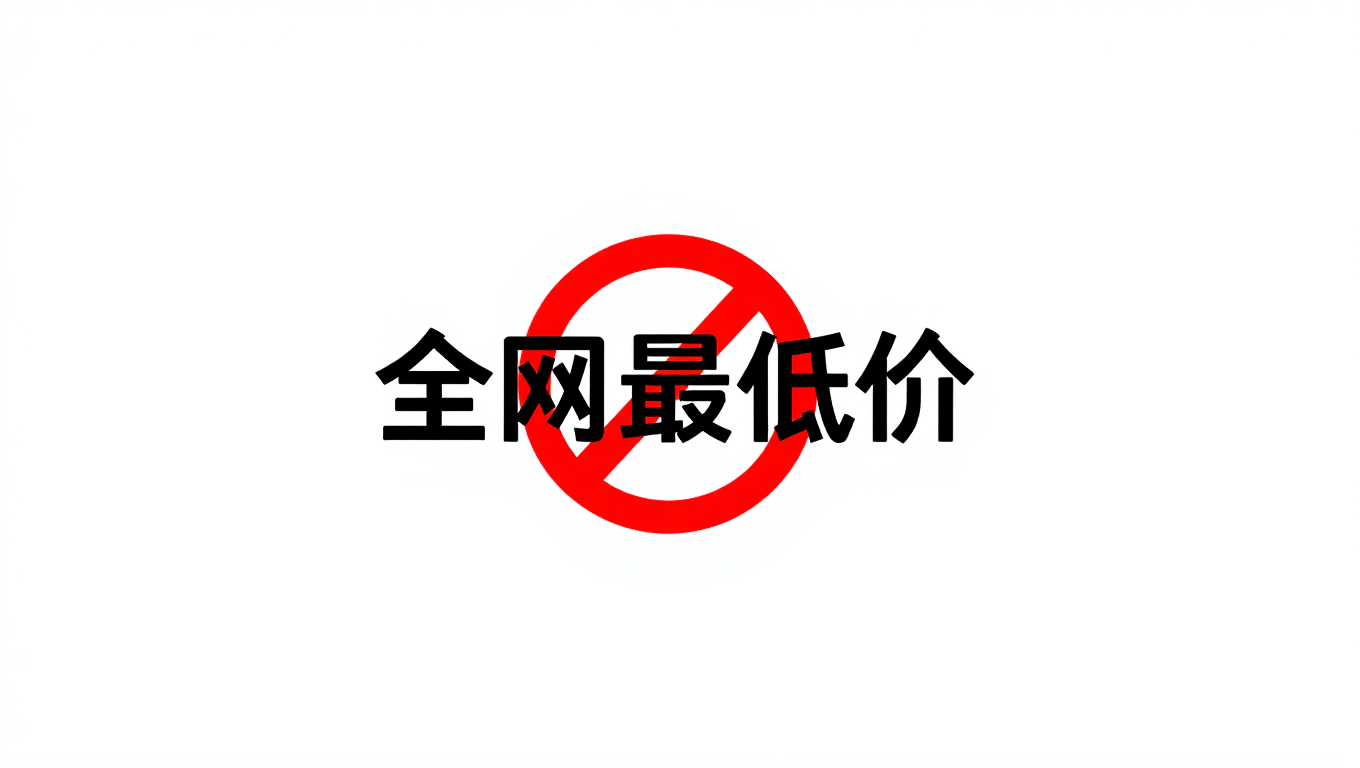
小心,全網最低價不能說了
💡China's rules crack down on algo pricing collusion—critical for AI in e-com
⚡ 30-Second TL;DR
有什麼變化
將「全網最低價」列為「二選一」變種,透過流量脅迫商家
為什麼重要
平台須大修定價演算法及數據實務,違規恐罰款。AI開發者於中國電商自動決策面嚴格審查。預示全球演算法行為更廣監管。
下一步行動
Audit your pricing ML models for data-sharing or auto-follow features before China platform deployment.
關鍵要點
- •將「全網最低價」列為「二選一」變種,透過流量脅迫商家
- •禁止演算法隱性共謀,如共享數據自動調價於外賣/打車
- •禁大數據殺熟(忠實用戶多收錢)及無故屏蔽連結
- •規管以排除對手為目的的低於成本銷售,非創新
- •適用所有利用規則/數據/演算法影響競爭的平台,非僅巨頭
🧠 深度解析
背景與延伸:來自公開資料,非原文內容。引用 8 個來源。
🔑 增強重點摘要
- •SAMR released anti-monopoly compliance guidelines for internet platforms on February 14, 2026, identifying eight high-risk anti-competitive behaviors including 'whole network lowest price' claims, algorithmic collusion, forced exclusivity, price discrimination, and below-cost sales.[1][2]
- •Guidelines prohibit algorithm-driven implicit collusion via data sharing or automatic price adjustments, as seen in ride-hailing and delivery sectors, and big data 'kill-mature' pricing that charges loyal users more.[1][2]
- •SAMR summoned representatives from major platforms like Alibaba, Tencent, Douyin, Baidu, JD.com, Meituan, and Taobao Shangou on February 13, 2026, urging rational competition and compliance with antitrust, pricing, and consumer protection laws.[2]
- •Shift from case-by-case enforcement to proactive, ex ante compliance rules applies to all platforms using algorithms, data, or rules to influence competition, with heightened scrutiny on food delivery and e-commerce.[1][2][3]
- •Regulators target predatory below-cost sales aimed at excluding rivals rather than innovation, and arbitrary blocking of competitor links, building on prior warnings to platforms like JD.com and Meituan.[1][2]
🛠️ 技術深入
- Guidelines target algorithmic collusion where platforms share pricing data or use algorithms for automatic price adjustments, mimicking human coordination without explicit agreements.[1][2]
- Big data 'kill-mature' pricing involves using user behavior data to charge higher prices to loyal or frequent customers.[1]
- 'Whole network lowest price' is a coercive tactic similar to 'pick-one-of-two' deals, using traffic allocation to force merchants into exclusivity or price undertakings.[1]
🔮 前景展望AI analysis grounded in cited sources
The guidelines mark a shift to long-term compliance rules over targeted crackdowns, increasing scrutiny on e-commerce, food delivery, and social media platforms to promote fair competition and protect smaller businesses, potentially curbing aggressive promotions and subsidies across tech giants.[1][2]
⏳ 時間線
📎 來源 (8)
Factual claims are grounded in the sources below. Forward-looking analysis is AI-generated interpretation.
- caixinglobal.com — China Takes Aim at Online Platforms Monopolistic Practices 102414787
- caixinglobal.com — Beijing Pressures Internet Platforms to Rein in Cutthroat Competition 102414867
- legalblogs.wolterskluwer.com — Main Developments in Competition Law and Policy 2025 China
- practiceguides.chambers.com — Trends and Developments
- globaltimes.cn — 1355347
- jdsupra.com — A Defining Start to 2026 for Online 7010334
- mondaq.com — Chinas Merger Review Guidelines a Comparative Look Against the EU Framework Non Horizontal
- hoganlovells.com — Global Antitrust Enforcement Outlook 2026 the Trends Shaping the Year Ahead
AI 週報
閱讀本週精選 AI 大事摘要 →
👉相關動態

AI 策展新聞聚合。所有內容版權歸原始發布者所有。
原始來源: 虎嗅 ↗
每週 AI 簡報
每週一封,可隨時退訂。