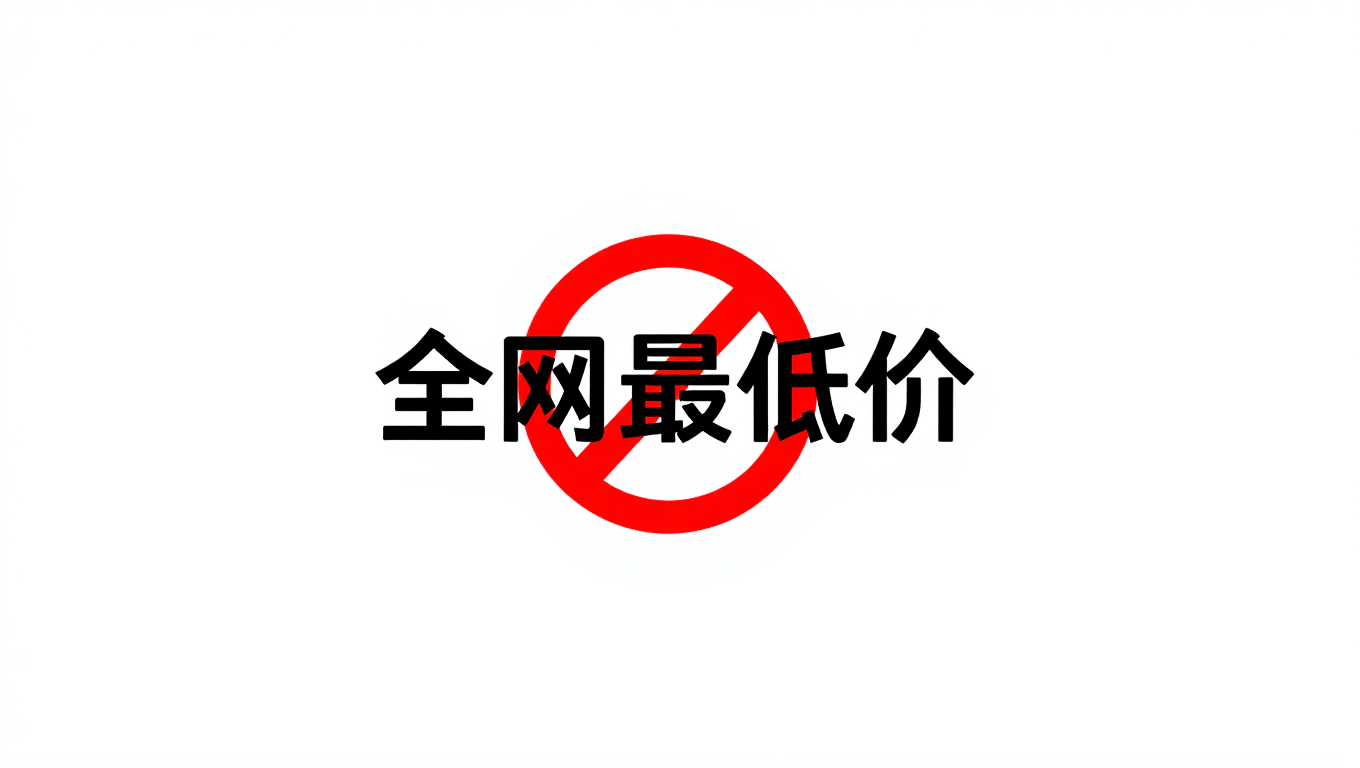
China Bans 'Whole Net Lowest Price' Claims
💡China's rules crack down on algo pricing collusion—critical for AI in e-com
⚡ 30-Second TL;DR
What Changed
Lists 'whole network lowest price' as a variant of 'pick-one-of-two', coercing merchants via traffic
Why It Matters
Platforms must overhaul pricing algorithms and data practices, risking fines for non-compliance. AI developers face stricter scrutiny on automated decision-making in China e-commerce. Signals broader regulation of algorithmic behaviors globally.
What To Do Next
Audit your pricing ML models for data-sharing or auto-follow features before China platform deployment.
Key Points
- •Lists 'whole network lowest price' as a variant of 'pick-one-of-two', coercing merchants via traffic
- •Bans implicit collusion via algorithms sharing data or auto-adjusting prices like in ride-hailing/delivery
- •Prohibits big data kill-mature (charging loyal users more) and arbitrary link blocking without cause
- •Regulates below-cost sales aimed at excluding rivals, not innovation
- •Applies to all platforms using rules/data/algorithms to influence competition, not just giants
🧠 Deep Insight
Background and context from public sources — not the original article. 8 sources cited.
🔑 Enhanced Key Takeaways
- •SAMR released anti-monopoly compliance guidelines for internet platforms on February 14, 2026, identifying eight high-risk anti-competitive behaviors including 'whole network lowest price' claims, algorithmic collusion, forced exclusivity, price discrimination, and below-cost sales.[1][2]
- •Guidelines prohibit algorithm-driven implicit collusion via data sharing or automatic price adjustments, as seen in ride-hailing and delivery sectors, and big data 'kill-mature' pricing that charges loyal users more.[1][2]
- •SAMR summoned representatives from major platforms like Alibaba, Tencent, Douyin, Baidu, JD.com, Meituan, and Taobao Shangou on February 13, 2026, urging rational competition and compliance with antitrust, pricing, and consumer protection laws.[2]
- •Shift from case-by-case enforcement to proactive, ex ante compliance rules applies to all platforms using algorithms, data, or rules to influence competition, with heightened scrutiny on food delivery and e-commerce.[1][2][3]
- •Regulators target predatory below-cost sales aimed at excluding rivals rather than innovation, and arbitrary blocking of competitor links, building on prior warnings to platforms like JD.com and Meituan.[1][2]
🛠️ Technical Deep Dive
- Guidelines target algorithmic collusion where platforms share pricing data or use algorithms for automatic price adjustments, mimicking human coordination without explicit agreements.[1][2]
- Big data 'kill-mature' pricing involves using user behavior data to charge higher prices to loyal or frequent customers.[1]
- 'Whole network lowest price' is a coercive tactic similar to 'pick-one-of-two' deals, using traffic allocation to force merchants into exclusivity or price undertakings.[1]
🔮 Future ImplicationsAI analysis grounded in cited sources
The guidelines mark a shift to long-term compliance rules over targeted crackdowns, increasing scrutiny on e-commerce, food delivery, and social media platforms to promote fair competition and protect smaller businesses, potentially curbing aggressive promotions and subsidies across tech giants.[1][2]
⏳ Timeline
📎 Sources (8)
Factual claims are grounded in the sources below. Forward-looking analysis is AI-generated interpretation.
- caixinglobal.com — China Takes Aim at Online Platforms Monopolistic Practices 102414787
- caixinglobal.com — Beijing Pressures Internet Platforms to Rein in Cutthroat Competition 102414867
- legalblogs.wolterskluwer.com — Main Developments in Competition Law and Policy 2025 China
- practiceguides.chambers.com — Trends and Developments
- globaltimes.cn — 1355347
- jdsupra.com — A Defining Start to 2026 for Online 7010334
- mondaq.com — Chinas Merger Review Guidelines a Comparative Look Against the EU Framework Non Horizontal
- hoganlovells.com — Global Antitrust Enforcement Outlook 2026 the Trends Shaping the Year Ahead
Weekly AI Recap
Read this week's curated digest of top AI events →
👉Related Updates

AI-curated news aggregator. All content rights belong to original publishers.
Original source: 虎嗅 ↗
This is a summary, not the original. Read the source, or get the weekly briefing.
Weekly AI briefing
One email a week. Unsubscribe anytime.