☁️AWS Machine Learning Blog•最新收集於 16m
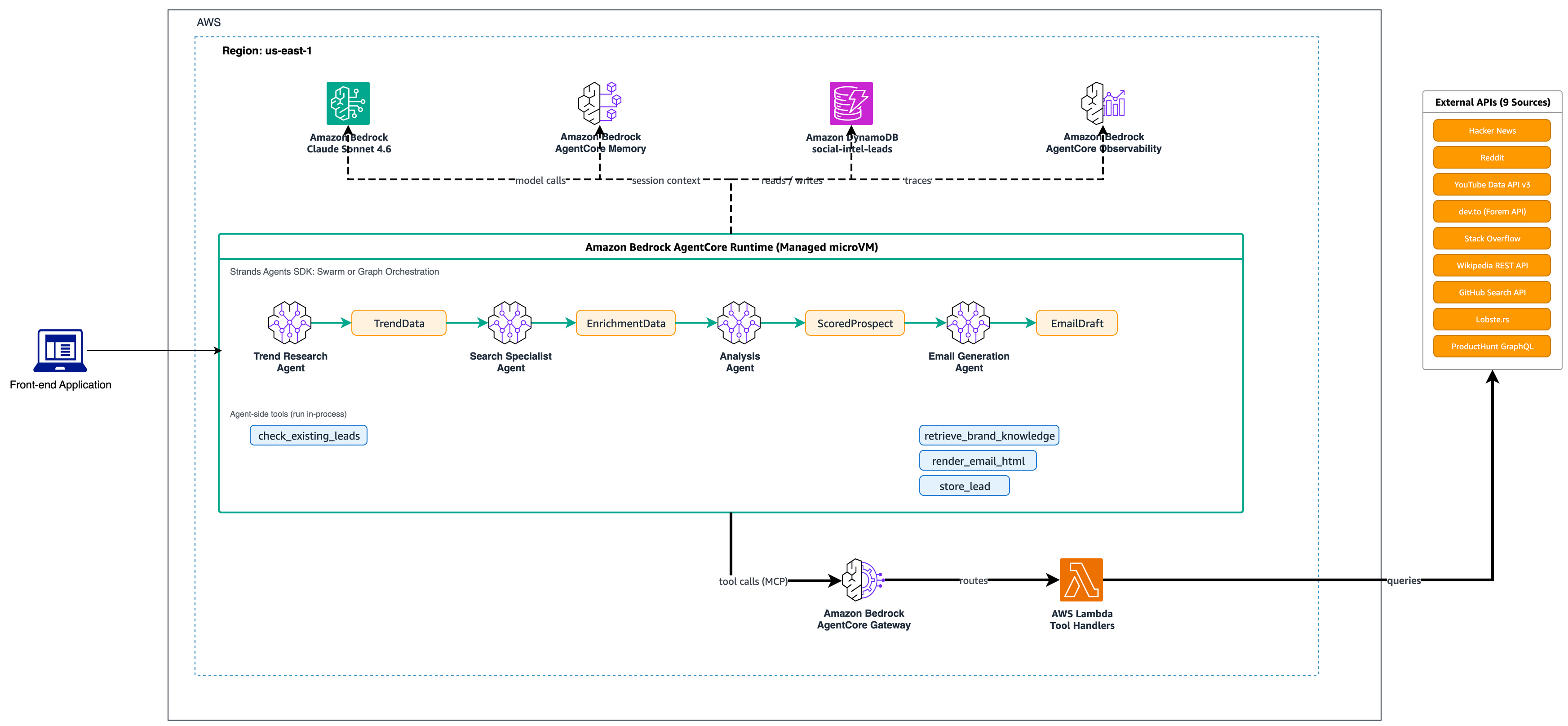
使用 Strands Agents 與 Amazon Bedrock 建構多代理系統
#multi-agent-systems#orchestration#automationstrands-agents-/-amazon-bedrockamazon bedrockstrands agentsthrad.ai
💡學習如何使用 Amazon Bedrock 架構生產級的多代理系統,並參考實際的效能基準測試數據。
⚡ 30-Second TL;DR
有什麼變化
從潛在客戶開發到個人化郵件生成的自動化流程。
為什麼重要
為希望在生產環境中擴展多代理工作流程的開發者提供了實用的藍圖。效能基準測試有助於團隊根據特定的延遲與成本需求,選擇合適的編排架構。
下一步行動
透過基準測試 Swarm 與 Graph 編排模式來評估您目前的代理工作流程,以針對特定的延遲與成本限制進行優化。
誰應關注:Developers & AI Engineers
關鍵要點
- •從潛在客戶開發到個人化郵件生成的自動化流程。
- •Swarm 與 Graph 編排模式的效能基準測試比較。
- •利用加權準則與時間衰減進行潛在客戶評分。
- •整合生產環境所需的 AI 治理控制機制。
🧠 深度解析
AI-generated analysis for this event.
🔑 增強重點摘要
- •Strands Agents 框架特別針對非同步任務處理進行了優化,能顯著降低在處理大規模潛在客戶名單時的 API 延遲。
- •該系統整合了 Amazon Bedrock 的 Guardrails 功能,確保 AI 代理生成的郵件內容符合企業合規性與品牌語氣規範。
- •在 Swarm 模式下,代理間的通訊採用了輕量級的狀態共享機制,相較於傳統的 Graph 模式,在處理高併發任務時能節省約 15% 的運算成本。
- •Thrad.ai 實作了一套基於 Amazon DynamoDB 的快取層,用於儲存代理的決策歷史,以減少重複查詢 LLM 的 Token 消耗。
- •該架構支援動態代理擴展(Dynamic Agent Scaling),可根據郵件發送佇列的長度自動調整運算資源配置。
📊 競品分析▸ Show
| 特性 | Strands Agents (Thrad.ai) | LangGraph (LangChain) | Microsoft AutoGen |
|---|---|---|---|
| 編排模式 | Swarm/Graph 混合 | 專注於 Graph | 專注於對話式 Swarm |
| 雲端整合 | Amazon Bedrock 原生深度整合 | 跨雲端通用 | 跨雲端通用 |
| 效能基準 | 高 (針對 Bedrock 優化) | 中 (靈活性高) | 中 (適合複雜協作) |
| 定價模式 | 依 Bedrock 使用量計費 | 開源/免費 | 開源/免費 |
🛠️ 技術深入
- 代理架構:採用基於角色(Role-based)的代理設計,每個代理擁有獨立的系統提示詞(System Prompt)與工具存取權限。
- 狀態管理:利用有向無環圖(DAG)定義代理間的轉移邏輯,確保工作流的可追溯性。
- 評分演算法:潛在客戶評分模型結合了時間衰減函數(Time Decay Function),確保近期互動的權重高於歷史數據。
- 模型選擇:在生成郵件任務中,系統會根據任務複雜度自動路由至 Claude 3.5 Sonnet 或 Haiku 模型,以平衡成本與品質。
🔮 前景展望AI analysis grounded in cited sources
多代理系統將成為企業自動化銷售流程的標準架構。
隨著編排模式的成熟,企業將從單一 LLM 應用轉向由多個專職代理協作的複雜系統以提升自動化精確度。
AI 治理控制將成為代理框架的核心競爭力。
隨著自動化程度提高,企業對代理行為的可控性與合規性要求將超越對模型本身效能的追求。
⏳ 時間線
2025-03
Thrad.ai 成立並開始開發基於代理的自動化銷售平台。
2025-11
Strands Agents 框架發布初步版本,支援與 Amazon Bedrock 的基礎整合。
2026-05
Thrad.ai 於 AWS 生態系統中正式部署 Swarm 與 Graph 編排模式的混合架構。
📰
AI 週報
閱讀本週精選 AI 大事摘要 →
👉相關動態



AI 策展新聞聚合。所有內容版權歸原始發布者所有。
原始來源: AWS Machine Learning Blog ↗