來源虎嗅•較早收集於 32m
大廠強制員工用AI提效
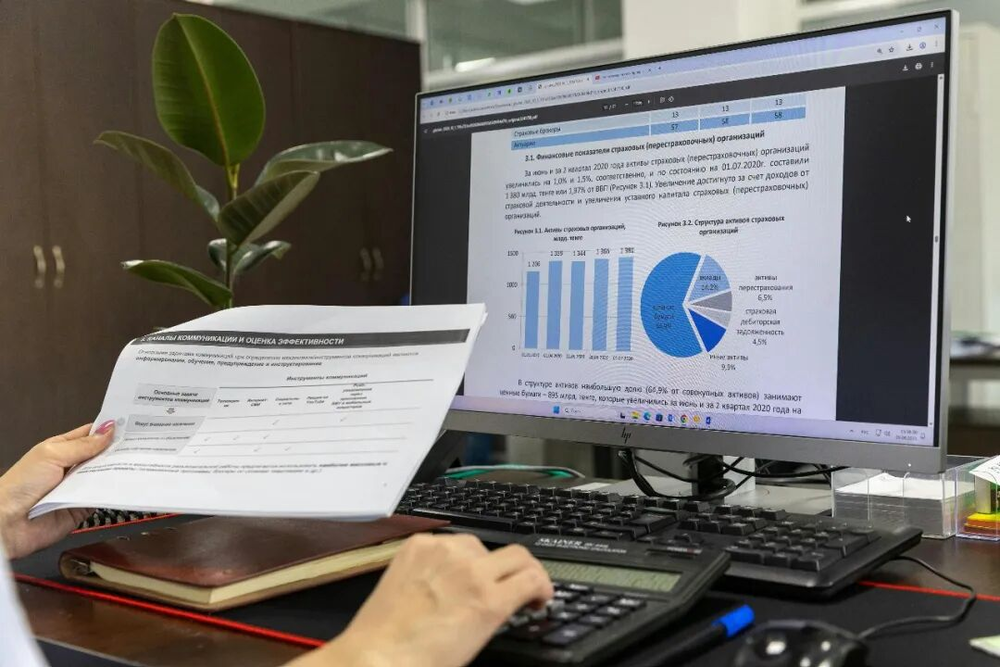
💡大廠強制AI追蹤—開發/營運痛點與企業轉型教訓。(18字)
⚡ 30 秒速覽
有什麼變化
追蹤Token使用;部分團隊掛鉤KPI,如Kiro週最低
為什麼重要
推動企業AI採用,但工具不成熟加重員工負擔,或侵蝕核心技能。預示轉向AI熟練角色,迫使從業者精通提示而非純程式。
下一步行動
測試如Kiro內部AI工具生成程式碼,並記錄提示迭代以優化。
誰應關注:Enterprise & Security Teams
關鍵要點
- •追蹤Token使用;部分團隊掛鉤KPI,如Kiro週最低
- •數據看板因欄位、格式、更新錯誤需80+迭代
- •50%開發需求經AI代理;員工須建可重用Skills文件
- •程式碼遺漏異常;工程師重寫以達配額
- •文化轉變:手寫碼者視為「不活躍」,調提示者獲讚
🧠 深度解析
本篇為 AI 生成分析,非原文內容。
🔑 增強重點摘要
- •Industry-wide shift toward 'AI-First' engineering metrics has led to the emergence of 'Shadow Engineering' where developers maintain private, manual codebases to bypass AI-generated technical debt.
- •Major cloud providers have introduced 'Token-Efficiency' incentives, where engineering teams receive budget credits for reducing AI model inference costs, creating a conflict between code quality and cost-saving KPIs.
- •Recent labor studies indicate a 'Junior-Senior Gap' widening, as entry-level developers lose opportunities to learn foundational debugging skills due to the reliance on AI-automated code generation.
🔮 前景展望基於引用來源的 AI 分析
Standardization of 'AI-Assisted Code Quality' metrics will become a primary component of performance reviews by 2027.
Companies are moving away from simple line-of-code metrics toward evaluating the ratio of AI-generated code versus human-verified, stable production commits.
A significant increase in 'AI-induced' security vulnerabilities will force a return to mandatory manual code audits for critical infrastructure.
The current trend of prioritizing speed and token-based KPIs often results in the omission of complex edge-case exception handling, creating systemic security risks.
📰
AI 週報
閱讀本週精選 AI 大事摘要 →
👉相關動態



AI 策展新聞聚合。所有內容版權歸原始發布者所有。
原始來源: 虎嗅 ↗
每週電子報
每週一封,可隨時退訂。