來源Engadget•較早收集於 12m
AT&T、T-Mobile 與 Verizon 聯手消除行動通訊死角
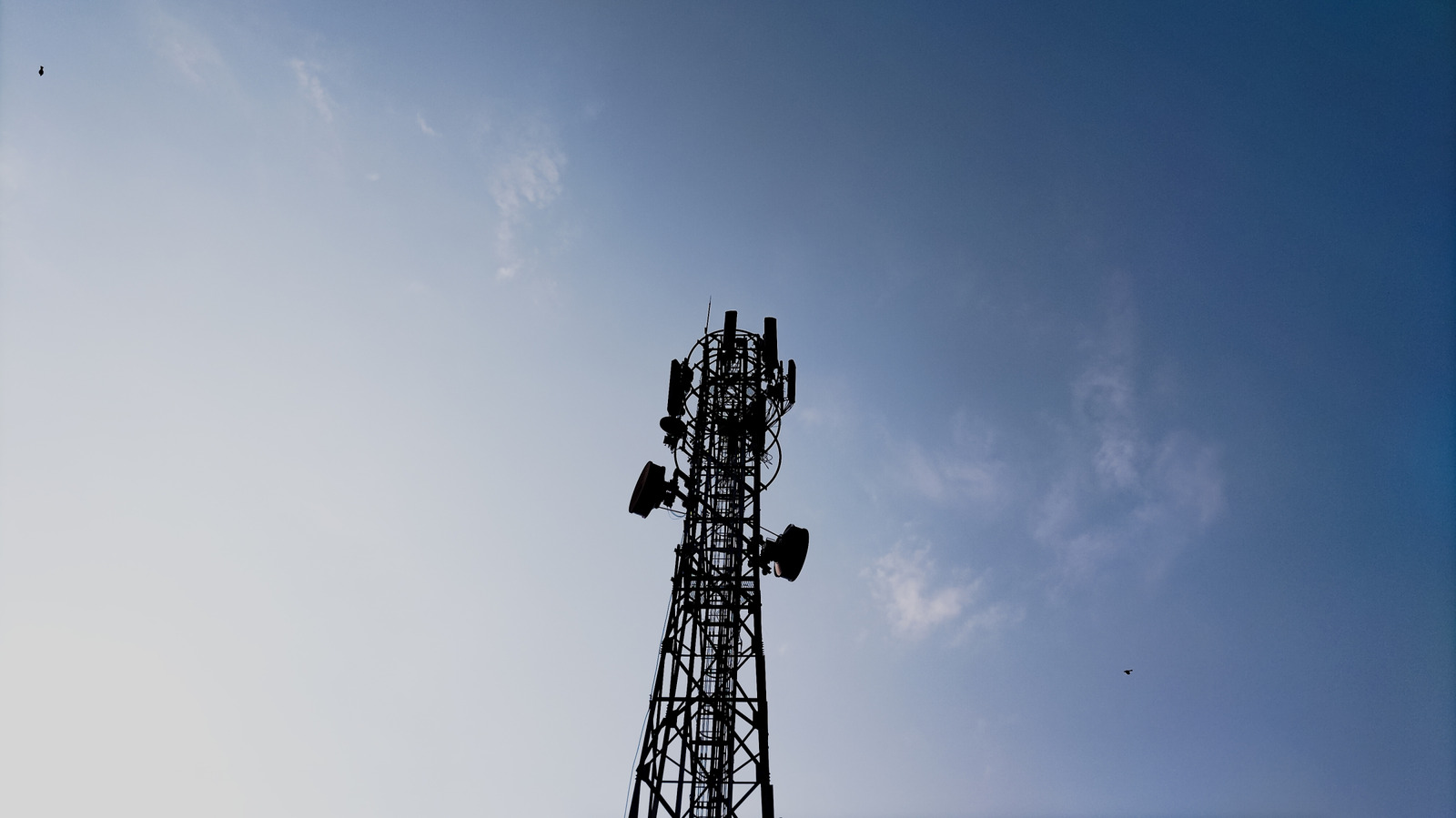
普及的衛星連線對於偏遠、離線環境中的邊緣 AI 與物聯網部署具有關鍵影響。
30 秒速覽
有什麼變化
電信商正整合資源以優化衛星對行動裝置的網路容量。
為什麼重要
此合作可能加速需要持續連線的物聯網 (IoT) 與邊緣 AI 應用的部署。這顯示了下一代通訊網路正轉向共享基礎設施的趨勢。
下一步行動
評估您的邊緣 AI 或物聯網產品如何利用普及的衛星連線,以在偏遠環境中維持資料同步。
誰應關注:Developers & AI Engineers
關鍵要點
- •電信商正整合資源以優化衛星對行動裝置的網路容量。
- •該計畫專注於為先前服務不足或偏遠地區提供穩定的訊號覆蓋。
- •共享基礎設施策略旨在降低擴展行動連線的成本與複雜度。
深度解析
背景與延伸:來自公開資料,非原文內容。引用 36 個來源。
增強重點摘要
- •The collaboration is an "agreement in principle" for a joint venture, which remains subject to negotiating definitive agreements and satisfying customary closing conditions.
- •The joint venture aims to pool spectrum resources and establish common technical standards, making the platform technology-neutral and allowing various satellite providers to integrate their services.
- •Beyond eliminating dead zones, the initiative also seeks to provide redundant connectivity during natural disasters and improve overall network performance and resilience.
- •The Federal Communications Commission (FCC) recently modernized satellite spectrum-sharing rules, which could increase capacity for space-based broadband services by up to sevenfold and generate over $2 billion in economic benefits, creating a more favorable regulatory environment for such collaborations.
- •This collaboration is intended to foster competition among satellite providers by creating a unified platform, thereby expanding consumer choices in satellite services.
競品分析
Service Type
- AT&T (with AST SpaceMobile)
- Space-based broadband (voice, data, text, video potential)
- T-Mobile (with Starlink)
- Satellite-to-phone (text, location, picture/audio messaging, select apps, satellite data)
- Verizon (with AST SpaceMobile)
- Space-based broadband (voice, data, text, video potential)
- Joint Venture (AT&T, T-Mobile, Verizon)
- Unified platform for D2D (voice, data, text)
- Apple (with Globalstar)
- Emergency SOS & peer-to-peer messaging
- Lynk Global (with SES)
- "Cell tower in space" (2G/LTE messaging, voice, data)
Target Devices
- AT&T (with AST SpaceMobile)
- Standard, unmodified mobile devices
- T-Mobile (with Starlink)
- Most new iOS and Android smartphones
- Verizon (with AST SpaceMobile)
- Standard, unmodified mobile devices
- Joint Venture (AT&T, T-Mobile, Verizon)
- Standard, unmodified mobile devices
- Apple (with Globalstar)
- iPhone 14 and later, Apple Watch
- Lynk Global (with SES)
- Standard, unmodified mobile devices
Coverage Focus
- AT&T (with AST SpaceMobile)
- Remote, off-grid locations, continental U.S.
- T-Mobile (with Starlink)
- Extreme remote locations (mountains, at sea), continental US, HI, parts of AK, PR
- Verizon (with AST SpaceMobile)
- Remote, off-grid locations, continental U.S.
- Joint Venture (AT&T, T-Mobile, Verizon)
- Rural and underserved areas, eliminating nearly all U.S. dead zones
- Apple (with Globalstar)
- Areas without cellular coverage
- Lynk Global (with SES)
- Underserved rural areas globally
Spectrum Use
- AT&T (with AST SpaceMobile)
- AT&T spectrum
- T-Mobile (with Starlink)
- T-Mobile's mid-band spectrum
- Verizon (with AST SpaceMobile)
- Verizon spectrum
- Joint Venture (AT&T, T-Mobile, Verizon)
- Pooled spectrum resources
- Apple (with Globalstar)
- Globalstar's satellites and spectrum holdings
- Lynk Global (with SES)
- Omnispace's S-band spectrum (post-merger)
Status (as of May 2026)
- AT&T (with AST SpaceMobile)
- Definitive commercial agreement, BlueBird satellites launched
- T-Mobile (with Starlink)
- Commercial service launched July 2025
- Verizon (with AST SpaceMobile)
- Partnership announced May 2024
- Joint Venture (AT&T, T-Mobile, Verizon)
- Agreement in principle, subject to definitive agreements
- Apple (with Globalstar)
- Commercially available since 2022
- Lynk Global (with SES)
- Developing constellation, agreements with MNOs
| Feature/Provider | AT&T (with AST SpaceMobile) | T-Mobile (with Starlink) | Verizon (with AST SpaceMobile) | Joint Venture (AT&T, T-Mobile, Verizon) | Apple (with Globalstar) | Lynk Global (with SES) |
|---|---|---|---|---|---|---|
| Service Type | Space-based broadband (voice, data, text, video potential) | Satellite-to-phone (text, location, picture/audio messaging, select apps, satellite data) | Space-based broadband (voice, data, text, video potential) | Unified platform for D2D (voice, data, text) | Emergency SOS & peer-to-peer messaging | "Cell tower in space" (2G/LTE messaging, voice, data) |
| Target Devices | Standard, unmodified mobile devices | Most new iOS and Android smartphones | Standard, unmodified mobile devices | Standard, unmodified mobile devices | iPhone 14 and later, Apple Watch | Standard, unmodified mobile devices |
| Coverage Focus | Remote, off-grid locations, continental U.S. | Extreme remote locations (mountains, at sea), continental US, HI, parts of AK, PR | Remote, off-grid locations, continental U.S. | Rural and underserved areas, eliminating nearly all U.S. dead zones | Areas without cellular coverage | Underserved rural areas globally |
| Spectrum Use | AT&T spectrum | T-Mobile's mid-band spectrum | Verizon spectrum | Pooled spectrum resources | Globalstar's satellites and spectrum holdings | Omnispace's S-band spectrum (post-merger) |
| Status (as of May 2026) | Definitive commercial agreement, BlueBird satellites launched | Commercial service launched July 2025 | Partnership announced May 2024 | Agreement in principle, subject to definitive agreements | Commercially available since 2022 | Developing constellation, agreements with MNOs |
技術深入
- The initiative leverages "direct-to-device (D2D)" or "direct-to-cell (D2C)" technology, enabling standard mobile phones to connect directly to satellites without requiring specialized hardware or apps.
- This connectivity is primarily facilitated by Low Earth Orbit (LEO) satellites, which operate at altitudes between 500 and 2,000 km, contributing to reduced latency and improved signal quality compared to higher-orbiting satellites.
- Satellites in these constellations function as "cell towers in space," directly receiving and transmitting data to and from mobile devices on the ground.
- D2D services can utilize spectrum in frequency bands already used by mobile services or those specifically allocated for mobile satellite service.
- Recent FCC rule modernizations allow Non-Geostationary Orbit (NGSO) satellite operators to increase transmission power, provided they implement interference mitigation techniques such as beam-forming, directional antennas, or dynamic frequency hopping.
- While D2D connectivity offers ubiquitous coverage, it generally cannot provide the same throughput and bandwidth as traditional terrestrial mobile networks, making it a complementary service for remote areas rather than a replacement for high-capacity urban networks.
前景展望基於引用來源的 AI 分析
The joint venture will accelerate the deployment of advanced satellite-to-mobile services across the US.
Pooling resources and establishing common standards among major carriers will streamline development and deployment, overcoming fragmentation and individual carrier-satellite operator challenges.
This collaboration will significantly reduce the digital divide in rural and remote American areas.
By targeting previously unserved regions with shared satellite infrastructure, the initiative directly addresses long-standing coverage gaps and provides essential connectivity.
The unified platform will drive innovation and competition among satellite service providers.
A technology-neutral platform that any satellite provider can plug into will encourage more diverse and competitive solutions, benefiting consumers with greater choice and potentially lower costs.
時間線
1976
MARISAT becomes the first dedicated mobile communications satellite.
1987
Motorola conceptualizes Iridium, a satellite-based mobile communication system.
1998
Globalstar launches its first satellites.
2022-08
T-Mobile and SpaceX announce their "Coverage Above and Beyond" partnership for satellite-to-phone connectivity.
2024-05
AT&T and AST SpaceMobile enter a definitive commercial agreement for a space-based broadband network.
2025-07
T-Mobile commercially launches its T-Satellite messaging service with Starlink nationwide.
2026-05
AT&T, T-Mobile, and Verizon announce an agreement in principle to form a joint venture to eliminate dead zones.
- 1976MARISAT becomes the first dedicated mobile communications satellite.
- 1987Motorola conceptualizes Iridium, a satellite-based mobile communication system.
- 1998Globalstar launches its first satellites.
- 2022-08T-Mobile and SpaceX announce their "Coverage Above and Beyond" partnership for satellite-to-phone connectivity.
- 2024-05AT&T and AST SpaceMobile enter a definitive commercial agreement for a space-based broadband network.
- 2025-07T-Mobile commercially launches its T-Satellite messaging service with Starlink nationwide.
- 2026-05AT&T, T-Mobile, and Verizon announce an agreement in principle to form a joint venture to eliminate dead zones.
來源 (36)
Factual claims are grounded in the sources below. Forward-looking analysis is AI-generated interpretation.
1Google Search Sourcevertexaisearch.cloud.google.com2Google Search Sourcevertexaisearch.cloud.google.com3Google Search Sourcevertexaisearch.cloud.google.com4Google Search Sourcevertexaisearch.cloud.google.com5Google Search Sourcevertexaisearch.cloud.google.com6Google Search Sourcevertexaisearch.cloud.google.com7Google Search Sourcevertexaisearch.cloud.google.com8Google Search Sourcevertexaisearch.cloud.google.com9Google Search Sourcevertexaisearch.cloud.google.com10Google Search Sourcevertexaisearch.cloud.google.com11Google Search Sourcevertexaisearch.cloud.google.com12Google Search Sourcevertexaisearch.cloud.google.com13Google Search Sourcevertexaisearch.cloud.google.com14Google Search Sourcevertexaisearch.cloud.google.com15Google Search Sourcevertexaisearch.cloud.google.com16Google Search Sourcevertexaisearch.cloud.google.com17Google Search Sourcevertexaisearch.cloud.google.com18Google Search Sourcevertexaisearch.cloud.google.com19Google Search Sourcevertexaisearch.cloud.google.com20Google Search Sourcevertexaisearch.cloud.google.com21Google Search Sourcevertexaisearch.cloud.google.com22Google Search Sourcevertexaisearch.cloud.google.com23Google Search Sourcevertexaisearch.cloud.google.com24Google Search Sourcevertexaisearch.cloud.google.com25Google Search Sourcevertexaisearch.cloud.google.com26Google Search Sourcevertexaisearch.cloud.google.com27Google Search Sourcevertexaisearch.cloud.google.com28Google Search Sourcevertexaisearch.cloud.google.com29Google Search Sourcevertexaisearch.cloud.google.com30Google Search Sourcevertexaisearch.cloud.google.com31Google Search Sourcevertexaisearch.cloud.google.com32Google Search Sourcevertexaisearch.cloud.google.com33Google Search Sourcevertexaisearch.cloud.google.com34Google Search Sourcevertexaisearch.cloud.google.com35Google Search Sourcevertexaisearch.cloud.google.com36Google Search Sourcevertexaisearch.cloud.google.com
AI 週報
閱讀本週精選 AI 大事摘要 →
相關動態

AI 策展新聞聚合。所有內容版權歸原始發布者所有。
原始來源: Engadget ↗
每週電子報
每週一封,可隨時退訂。