來源較早收集於 2h

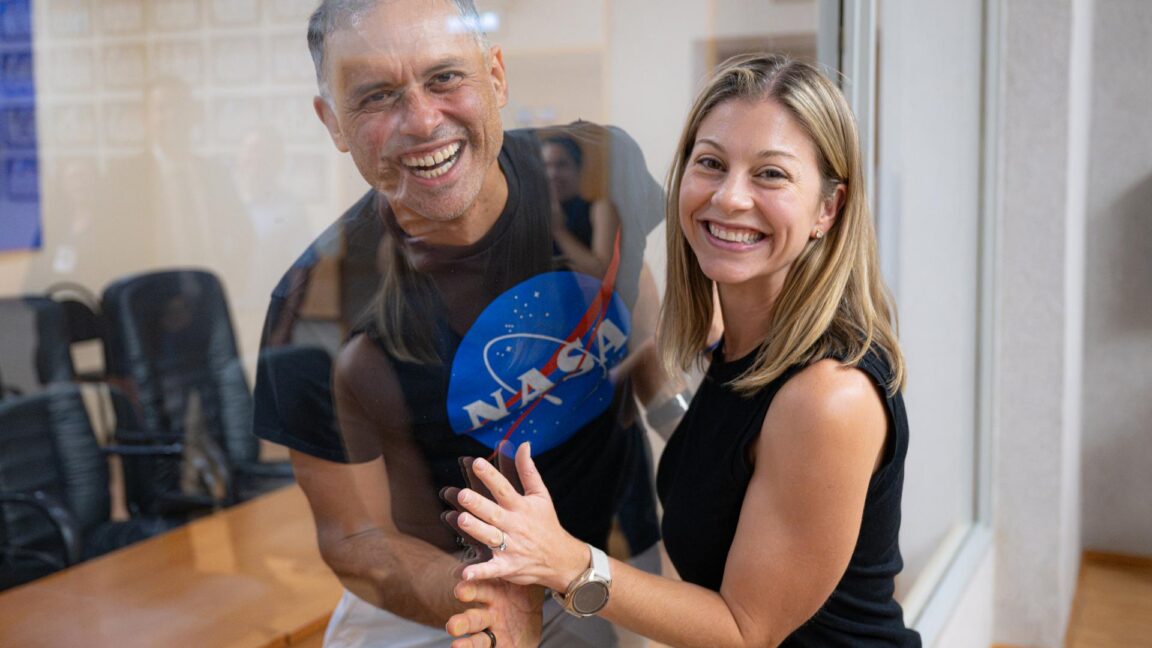
一位意想不到的太空人成功進入太空

閱讀原文: Ars Technica
#aerospace#space-exploration#human-interest

探索航空航太領域門檻的變化如何影響自動化系統與具身智慧(Embodied AI)的未來。

30 秒速覽

有什麼變化

一位曾放棄太空人夢想的人最終成功進入太空。

為什麼重要

此故事突顯了太空旅行環境的變遷,這與航空航太領域中 AI 驅動的機器人與自動化系統日益相關。

下一步行動

關注那些正在整合 AI 進行自動導航與生命維持系統的商業太空飛行供應商。

誰應關注:Researchers & Academics

關鍵要點

  • 一位曾放棄太空人夢想的人最終成功進入太空。
  • 故事強調了太空探索門檻的變化。
  • 反思了從放棄到達成重大里程碑的個人歷程。

深度解析

本篇為 AI 生成分析,非原文內容。

增強重點摘要

  • The individual in question is likely referencing a private citizen flight, such as those facilitated by SpaceX's Crew Dragon or Blue Origin's New Shepard, which have lowered the physical and professional requirements compared to traditional government-led astronaut programs.
  • The narrative often centers on the 'democratization of space,' where commercial spaceflight providers are increasingly offering seats to non-career astronauts, including researchers, artists, and private individuals.
  • Many 'improbable' astronauts now undergo abbreviated training programs lasting weeks or months, a stark contrast to the multi-year training cycles required for NASA or ESA career astronauts.
  • The shift in accessibility is driven by the emergence of reusable launch vehicle technology, which has significantly reduced the cost-per-kilogram to reach Low Earth Orbit (LEO).
  • This specific story highlights the psychological shift in the aerospace industry, moving from a 'heroic' model of exploration to a 'commercial' model where spaceflight is treated as a service or experience.

競品分析

Flight Type
SpaceX (Crew Dragon)
Orbital
Blue Origin (New Shepard)
Suborbital
Virgin Galactic (VSS Unity)
Suborbital
Training Duration
SpaceX (Crew Dragon)
Months
Blue Origin (New Shepard)
Days
Virgin Galactic (VSS Unity)
Days
Primary Market
SpaceX (Crew Dragon)
Government/Private Research
Blue Origin (New Shepard)
Tourism/Research
Virgin Galactic (VSS Unity)
Tourism
Accessibility
SpaceX (Crew Dragon)
High (Cost-prohibitive)
Blue Origin (New Shepard)
Moderate (High-net-worth)
Virgin Galactic (VSS Unity)
Moderate (High-net-worth)

技術深入

  • Crew Dragon utilizes a fully autonomous docking system, reducing the manual piloting requirements for non-professional astronauts.
  • New Shepard employs a capsule with a redundant parachute system and a retro-thrust landing system for the booster, prioritizing safety for civilian passengers.
  • Training for suborbital flights focuses heavily on high-G tolerance and emergency egress procedures rather than complex orbital mechanics or spacecraft systems engineering.

前景展望基於引用來源的 AI 分析

Commercial spaceflight will become a standard component of high-net-worth travel by 2030.
The increasing frequency of private missions and the expansion of spaceport infrastructure suggest a transition from experimental to routine operations.
Government space agencies will increasingly outsource LEO transport to private entities.
The success of commercial crew programs has proven that private providers can meet safety standards while reducing operational costs for agencies like NASA.

時間線

2020-05
SpaceX Demo-2 marks the first crewed orbital flight by a private company.
2021-07
Blue Origin completes its first crewed flight with Jeff Bezos aboard.
2021-09
Inspiration4 mission launches, the first all-civilian crew to orbit Earth.
2023-06
Virgin Galactic begins commercial suborbital spaceflight services.

AI 週報

閱讀本週精選 AI 大事摘要 →

AI 策展新聞聚合。所有內容版權歸原始發布者所有。
原始來源: Ars Technica

這是摘要,不是原文。去看原站,或訂閱每週簡報。

每週電子報

每週一封,可隨時退訂。