AI 輸出「差不多」卻欠缺人性努力

💡Reveals why 'good enough' AI skips thinking's pain—key for builders avoiding cognitive laziness
⚡ 30-Second TL;DR
有什麼變化
AI 模仿風格但過度強調,需要人類「減法」以達自然語調
為什麼重要
鼓勵 AI 使用者優先個人寫作,以在高品質 AI 輸出中保存認知深度與品味。過度依賴風險導致思考肌肉停滯。
下一步行動
Draft with AI but rewrite fully by hand daily to trigger personal error signals and refine taste.
關鍵要點
- •AI 模仿風格但過度強調,需要人類「減法」以達自然語調
- •寫作將混亂思緒編譯成清晰,如大腦的錯誤訊號處理器
- •被動 AI 共鳴缺乏類似反向傳播的寫作痛苦更新
- •品味作為內部裁判,若無個人創作則退化
🧠 深度解析
背景與延伸:來自公開資料,非原文內容。引用 6 個來源。
🔑 增強重點摘要
- •AI-generated content produces superficially polished outputs that mask cognitive deficits in the creator, as users offload computational thinking without realizing they're losing critical capabilities[1]
- •Writing serves as a neurological error-correction mechanism that forces deep cognitive processing, while passive consumption of AI content creates an illusion of understanding without the neural reinforcement of struggle[1][3]
- •Reader perception significantly penalizes AI-assisted creative work, with disclosure of AI involvement reducing evaluations by an average of 6.2% across 27,000 participants, suggesting authenticity and human effort remain valued[2]
- •AI excels at derivative, formula-based writing (genre fiction, procedurals) but cannot replicate memoir or introspective writing that requires genuine self-knowledge and cognitive sovereignty[3]
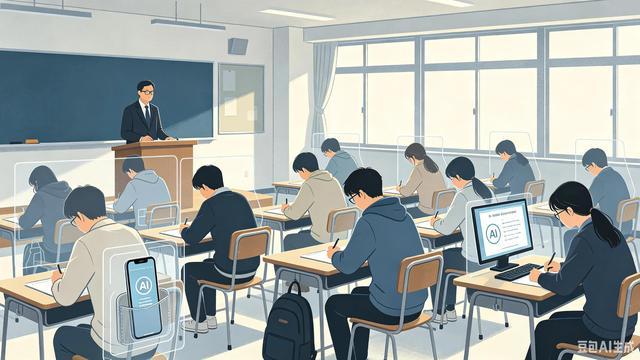
- •Students using AI for writing assistance produce better final products but show no improvement in actual writing ability compared to those working without AI, indicating the tool masks rather than develops skill[6]
🛠️ 技術深入
• EEG Brain Activity Patterns: Unassisted writers show stronger and more widely distributed electroencephalograph patterns compared to those using search engines or LLMs, indicating higher cognitive engagement during composition[1] • LLM Feature Recognition: Large language models use richer, more clinically aligned feature sets than humans for text analysis, with stronger inter-annotator agreement (κ = 0.465) due to shared training data and deterministic structure[4] • Probabilistic vs. Deterministic Processing: AI operates through probabilistic word-sequence calculation (most likely next token), fundamentally different from human writing as a mode of thinking that involves genuine memory and self-reflection[3] • Offloading Cascade Effect: When individuals delegate computational thinking to LLMs, computational thinking becomes the first cognitive capability lost, creating a feedback loop of increasing dependence[1]
🔮 前景展望AI analysis grounded in cited sources
The research suggests a bifurcation in creative industries: AI will likely dominate formula-driven genres by 2030, but authentic, introspective, and innovative creative work will increasingly command premium value as human-created content. This creates pressure for AI disclosure legislation (currently under U.S. Congressional consideration as of 2026), which paradoxically may harm AI-assisted creators through reader bias while protecting consumers from manipulation. The broader societal risk involves cognitive atrophy across knowledge work—users may experience productivity gains in the short term while suffering long-term erosion of critical thinking, creativity, and taste discrimination. Educational institutions face pressure to redesign curricula around the cognitive struggle itself rather than output quality, as AI commoditizes the final product.
⏳ 時間線
📎 來源 (6)
Factual claims are grounded in the sources below. Forward-looking analysis is AI-generated interpretation.
AI 週報
閱讀本週精選 AI 大事摘要 →
👉相關動態

AI 策展新聞聚合。所有內容版權歸原始發布者所有。
原始來源: 虎嗅 ↗
每週 AI 簡報
每週一封,可隨時退訂。