🐯虎嗅•較早收集於 15m
AI 資本支出轉向記憶體、儲存、CPU
💡AI 基礎設施爆發至記憶體/CPU—立即規劃 2030 短缺與資本支出激增(24字)
⚡ 30-Second TL;DR
有什麼變化
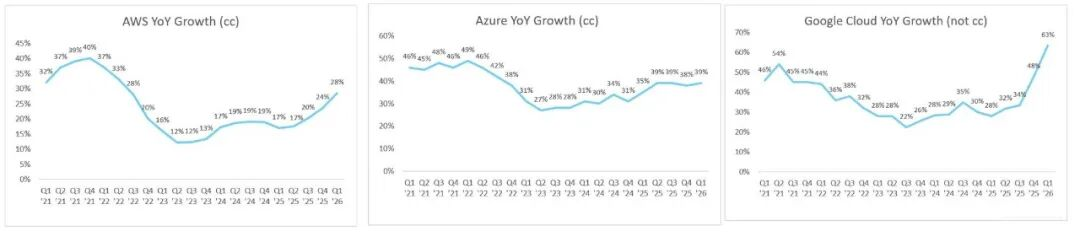
科技巨頭 AI 資本支出 2026 年達 7250 億美元,大幅增長
為什麼重要
硬體轉變收緊 AI 開發者供應,利於記憶體/CPU 優化模型與自研矽片,降低對 Nvidia 依賴。預期更高成本驅動效率創新。
下一步行動
在 LangGraph 等 CPU 重代理框架上基準測試工作負載,以避 GPU 短缺。
誰應關注:Enterprise & Security Teams
關鍵要點
- •科技巨頭 AI 資本支出 2026 年達 7250 億美元,大幅增長
- •記憶體需求 4 年增 4 倍,DRAM 價格 +58-63%,NAND +70-75%
- •每 GW 資料中心 CPU 需求增 4 倍,用於代理;TPU 等自研晶片商業化
- •代理工作流與自動駕駛資料推升硬碟需求
🧠 深度解析
AI-generated analysis for this event.
🔑 增強重點摘要
- •The surge in memory demand is specifically driven by the transition to High Bandwidth Memory (HBM4) architectures, which are required to support the increased parameter counts of next-generation agentic models.
- •Data center power constraints are forcing a shift in capex toward liquid cooling infrastructure and advanced power delivery units (PDUs) to accommodate the higher thermal design power (TDP) of the new CPU-GPU clusters.
- •Hyperscalers are increasingly prioritizing 'sovereign AI' infrastructure, leading to a geographic diversification of capex spending into regional data center hubs to mitigate supply chain and regulatory risks.
🛠️ 技術深入
- •HBM4 Integration: Transition from HBM3e to HBM4 involves a shift to a 2048-bit wide interface, doubling the bandwidth per stack to address the memory wall in large-scale agent orchestration.
- •CPU-GPU Ratio: The shift to a 1:1 ratio is necessitated by the 'Agentic Bottleneck,' where CPUs must handle complex logic, multi-modal data pre-processing, and real-time task scheduling that GPUs cannot efficiently manage alone.
- •Storage Tiering: Implementation of 'Warm' and 'Cold' storage tiers using high-density QLC NAND and helium-filled HDDs is being optimized for the massive datasets required for continuous model fine-tuning and retrieval-augmented generation (RAG) workflows.
🔮 前景展望AI analysis grounded in cited sources
DRAM and NAND supply will remain in a structural deficit through 2027.
The lead times for new semiconductor fabrication capacity (fabs) exceed 18-24 months, preventing supply from scaling in lockstep with hyperscaler demand.
Custom silicon (ASICs) will capture 30% of the total AI accelerator market by 2027.
Hyperscalers are aggressively moving away from general-purpose GPUs to proprietary chips optimized for specific inference workloads to improve power efficiency and reduce dependency on external vendors.
⏳ 時間線
2023-05
Hyperscalers initiate massive pivot toward generative AI infrastructure investment.
2024-11
Industry-wide shortage of HBM3e memory begins to constrain GPU deployment schedules.
2025-08
First major commercial deployments of agent-optimized CPU-GPU clusters reported by leading cloud providers.
2026-02
Global memory manufacturers announce record-breaking capital expenditure for HBM4 production lines.
📰
AI 週報
閱讀本週精選 AI 大事摘要 →
👉相關動態


AI 策展新聞聚合。所有內容版權歸原始發布者所有。
原始來源: 虎嗅 ↗