🐯虎嗅•較早收集於 11m
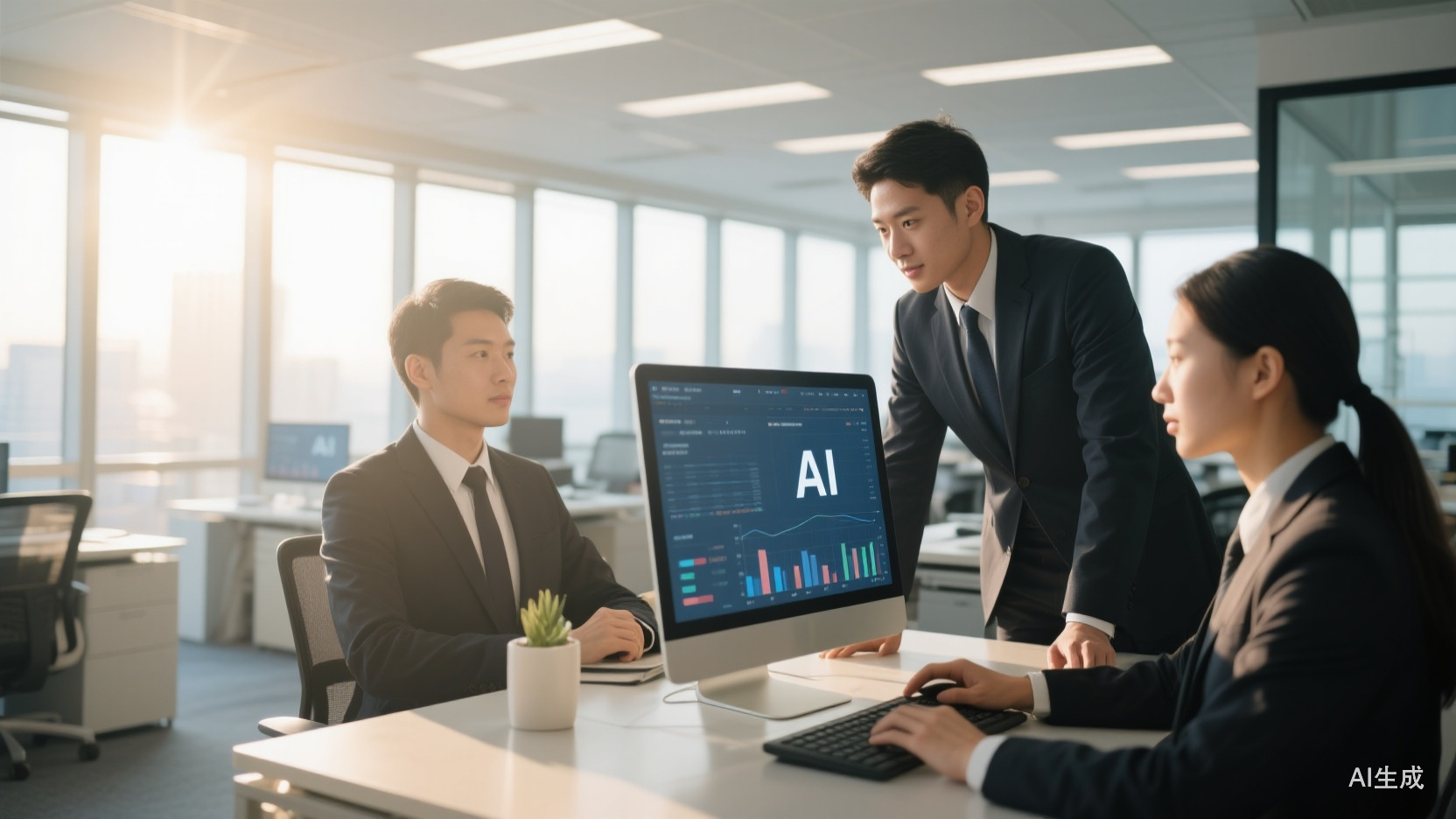
AI無法取代貿易學習
#prompt-engineering#ai-adoption#business-skillsgenerative-aichatgptdeepseekwenxin-yiyan
💡Expertise unlocks AI's power in trade—master prompting for real-world gains
⚡ 30-Second TL;DR
有什麼變化
貿易需整合貨物驗收、物流風險、金融工具及人際談判等專業,AI無法複製
為什麼重要
強調人機協同於商業,敦促企業投資員工技能提升並輔以AI工具。
下一步行動
Craft scenario-specific prompts for supply chain risks using ChatGPT to test AI's business value.
誰應關注:Enterprise & Security Teams
關鍵要點
- •貿易需整合貨物驗收、物流風險、金融工具及人際談判等專業,AI無法複製
- •國企機制獎勵與績效關聯弱,壓抑學習動機
- •AI輸出隨使用者領域知識的詳細、情境特定提示大幅提升
🧠 深度解析
背景與延伸:來自公開資料,非原文內容。引用 7 個來源。
🔑 增強重點摘要
- •AI trading systems face critical adaptability challenges when market conditions diverge from training data—algorithms trained during stable periods may fail in volatile markets, and those trained in low-inflation environments struggle with inflationary scenarios[1]. This directly supports the article's claim that trade professionals need deep learning beyond AI's pattern-matching capabilities.
- •Supervised machine learning in trading requires narrow guardrails including limits on data sources, trading types, and capital allocation per trade[1]. This technical constraint mirrors the article's assertion that effective AI use demands expert prompting and domain knowledge to set appropriate boundaries.
- •Source data quality and quantity remain the primary risk in maintaining algorithmic trading success—algorithms can operate with only months of historical data but perform best with longer training periods and diverse, reliable data sources[1]. This validates the article's point that AI outputs improve with detailed, context-specific inputs rooted in user expertise.
- •Legal and regulatory frameworks in 2026 increasingly require human-in-the-loop verification for AI tools, with state bars initiating disciplinary action against improper AI use without human oversight[3]. This creates institutional pressure supporting the article's argument that human expertise remains essential in high-stakes domains like trade.
- •AI's evolution toward autonomous agents capable of executing contracts and transactions has exposed liability gaps—courts have not yet issued definitive rulings on whether users or developers bear responsibility for autonomous errors[3]. This regulatory uncertainty reinforces why trade professionals cannot rely solely on AI without human judgment and accountability.
🔮 前景展望AI analysis grounded in cited sources
Human expertise in trade will remain economically valuable through 2026 and beyond despite AI advancement.
Regulatory frameworks are actively mandating human oversight in AI-driven decision-making[3], and autonomous agent liability remains legally undefined, creating structural demand for human judgment in high-stakes transactions.
SOE trade professionals face competitive disadvantage if learning incentives remain decoupled from performance.
The article identifies weak reward-performance linkage as suppressing learning motivation; paired with AI's requirement for expert prompting, organizations with better incentive alignment will extract more value from AI tools.
Prompt engineering and domain expertise will become specialized, high-value skills in trade operations.
📎 來源 (7)
Factual claims are grounded in the sources below. Forward-looking analysis is AI-generated interpretation.
- algosone.ai — The Challenges Limitations and Potential of AI Trading
- federalreserve.gov — The Global Trade Effects of the AI Infrastructure Boom 20260213
- bakerdonelson.com — 2026 AI Legal Forecast From Innovation to Compliance
- goldmansachs.com — What to Expect From AI in 2026 Personal Agents Mega Alliances
- deckerretirementplanning.com — AI Productivity Trade Policy 2026
- library.hbs.edu — AI Trends for 2026 Building Change Fitness and Balancing Trade Offs
- blog.lmfx.com — AI in Stock Trading the 2026 Retail Trader Revolution
📰
AI 週報
閱讀本週精選 AI 大事摘要 →
👉相關動態

AI 策展新聞聚合。所有內容版權歸原始發布者所有。
原始來源: 虎嗅 ↗
每週 AI 簡報
每週一封,可隨時退訂。