💰钛媒体•Stalecollected in 11m
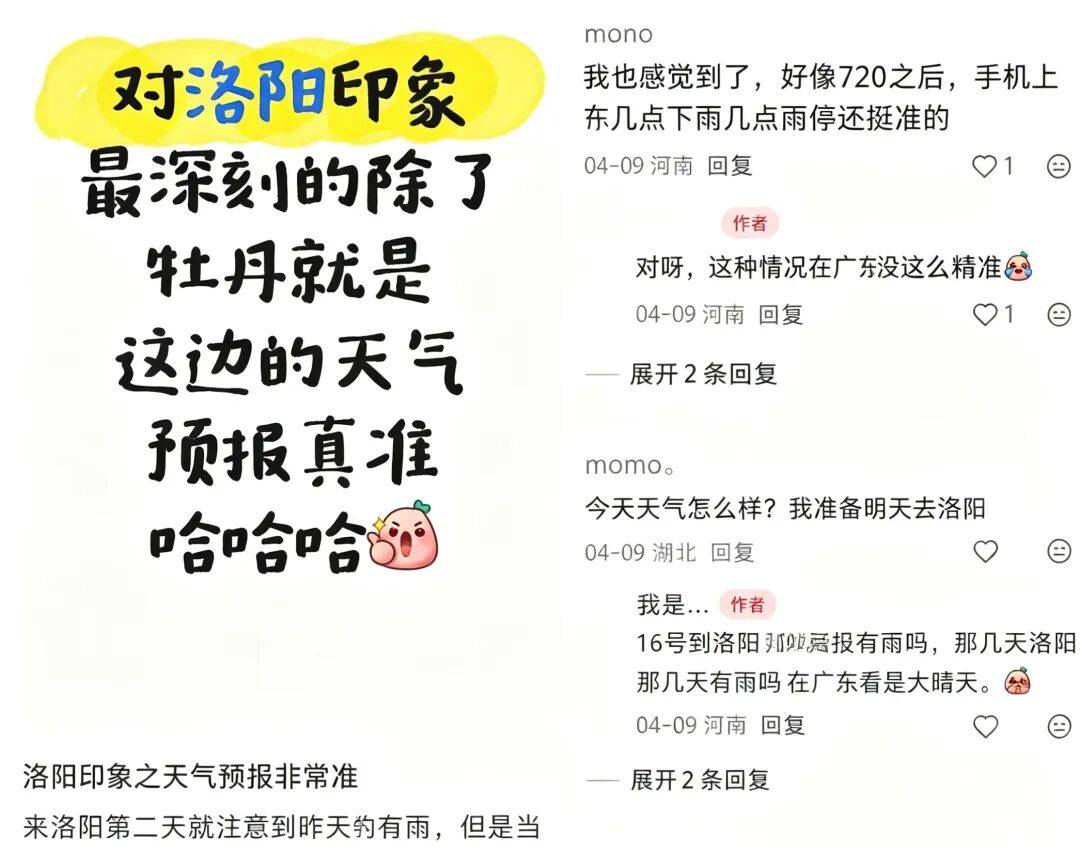
Young people seek 'human touch' amidst AI anxiety
💡Understand the growing user psychological backlash against AI to better position your product's UX.
⚡ 30-Second TL;DR
What Changed
AI焦慮導致年輕人尋求線下真實體驗
Why It Matters
This cultural shift suggests that AI-native products should incorporate more human-centric design and community-building features to maintain user engagement.
What To Do Next
Incorporate community-driven or 'human-in-the-loop' features into your AI product to reduce user alienation.
Who should care:Creators & Designers
Key Points
- •AI焦慮導致年輕人尋求線下真實體驗
- •旅行成為緩解技術焦慮的主要途徑
- •市場對『活人感』的需求正在上升
🧠 Deep Insight
Web-grounded analysis with 33 cited sources.
🔑 Enhanced Key Takeaways
- •Gen Z's skepticism and anger towards AI are increasing, driven by concerns about its impact on their cognitive abilities and professional opportunities, with a recent Gallup survey showing 31% feel angry and 42% anxious about AI.
- •Over-reliance on AI, particularly chatbots, can lead to emotional dependence, degradation of social skills, and exacerbate existing mental health issues such as loneliness, anxiety, and depression, with some extreme cases linking AI dependency to tragic outcomes like suicide.
- •The 'digital detox' and 'analog travel' trends are gaining significant traction, with approximately one in four adults now deliberately choosing trips without phones or internet access to reconnect with nature, build stronger personal relationships, and develop healthier technology habits.
- •There is a growing emphasis on human-centered design (HCD) in the development of AI systems to ensure they respect human autonomy, reduce dependency, and prioritize empathy and ethical considerations over mere efficiency.
- •The demand for authentic, purpose-driven, and immersive cultural experiences in travel is rising, especially among younger generations, who are increasingly seeking meaningful engagement with local communities and traditions over traditional sightseeing.
🔮 Future ImplicationsAI analysis grounded in cited sources
The demand for 'human-centric' AI design will become a critical differentiator for AI products and services.
As AI anxiety and concerns about emotional dependence grow, products prioritizing user well-being, ethical considerations, and genuine human interaction will gain significant market trust and adoption.
The travel and hospitality industry will increasingly develop specialized 'digital detox' and 'analog experience' offerings.
The rising consumer desire to disconnect from technology and seek authentic human connection presents a clear market opportunity for tailored offline experiences.
Educational institutions and policymakers will implement more robust guidelines and curricula to address AI literacy and mitigate its potential negative psychological impacts on youth.
Growing evidence of AI's detrimental effects on youth mental health, cognitive skills, and social development necessitates proactive educational and regulatory responses.
⏳ Timeline
2015-12
Early discussions emerge about technology's rapid pace causing social anxiety and affecting social development.
2018-07
The concept of an 'Anxiety Culture' fueled by technology is identified, with concerns shifting towards the autonomy of self and invasive machines.
2024-02
A 14-year-old dies by suicide after developing a dependency on Character.AI chatbots, highlighting severe consequences of unregulated AI relationships.
2025-09
Research indicates that 17-24% of adolescents developed AI dependencies, with social anxiety, loneliness, and depression identified as primary risk factors.
2026-03
Digital detox travel gains traction, with approximately one in four adults choosing trips without phones or internet access.
2026-05
A Gallup survey reveals Gen Z's increasing skepticism and anger towards AI, with 31% feeling angry and 42% anxious about its existence.
📎 Sources (33)
Factual claims are grounded in the sources below. Forward-looking analysis is AI-generated interpretation.
- Google Search Source
- Google Search Source
- Google Search Source
- Google Search Source
- Google Search Source
- Google Search Source
- Google Search Source
- Google Search Source
- Google Search Source
- Google Search Source
- Google Search Source
- Google Search Source
- Google Search Source
- Google Search Source
- Google Search Source
- Google Search Source
- Google Search Source
- Google Search Source
- Google Search Source
- Google Search Source
- Google Search Source
- Google Search Source
- Google Search Source
- Google Search Source
- Google Search Source
- Google Search Source
- Google Search Source
- Google Search Source
- Google Search Source
- Google Search Source
- Google Search Source
- Google Search Source
- Google Search Source
📰
Weekly AI Recap
Read this week's curated digest of top AI events →
👉Related Updates
AI-curated news aggregator. All content rights belong to original publishers.
Original source: 钛媒体 ↗