YC Expels Fraudulent AI Audit Startup Delve
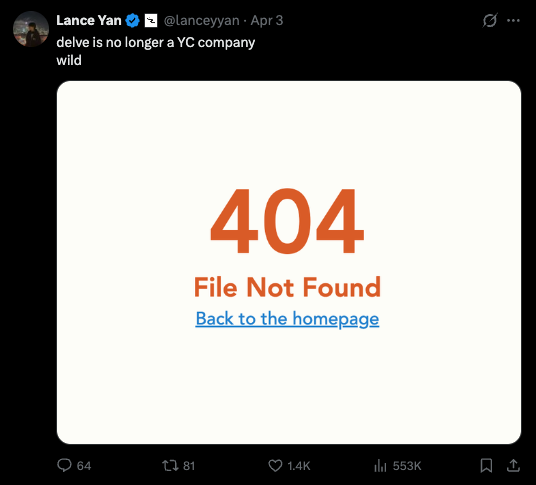
💡YC boots AI startup for code theft + fake audits: trust lessons for AI founders
⚡ 30-Second TL;DR
What Changed
Delve generated 99.8% identical fake SOC 2 reports rubber-stamped by Indian firms.
Why It Matters
Highlights risks of AI in regulated compliance spaces and importance of startup ecosystem trust. Serves as cautionary tale for AI founders navigating audits and IP.
What To Do Next
Audit any AI-generated compliance reports for authenticity before client use.
Key Points
- •Delve generated 99.8% identical fake SOC 2 reports rubber-stamped by Indian firms.
- •Forked Sim.ai's SimStudio as proprietary Pathways product without attribution.
- •YC expelled Delve for betraying 'bro code' by harming another YC company.
- •Over 1000 paying customers hold invalid compliance docs risking fines or jail.
🧠 Deep Insight
AI-generated analysis for this event — not the original article.
🔑 Enhanced Key Takeaways
- •The 'Indian firms' involved in the rubber-stamping scheme were identified as shell entities with no actual auditing credentials, complicating legal recourse for affected customers.
- •Delve's 'Pathways' product utilized a modified version of SimStudio's codebase that included hardcoded API keys belonging to Sim.ai, which facilitated the discovery of the theft.
- •YC's internal investigation revealed that Delve's founders had previously attempted to launch a similar 'automated compliance' startup under a different name that was rejected during the application phase.
🔮 Future ImplicationsAI analysis grounded in cited sources
⏳ Timeline
Weekly AI Recap
Read this week's curated digest of top AI events →
👉Related Updates



AI-curated news aggregator. All content rights belong to original publishers.
Original source: 虎嗅 ↗
This is a summary, not the original. Read the source, or get the weekly briefing.
The weekly digest
One email a week. Unsubscribe anytime.