Yaosu Tech Secures 200M RMB for AI Organ Chips
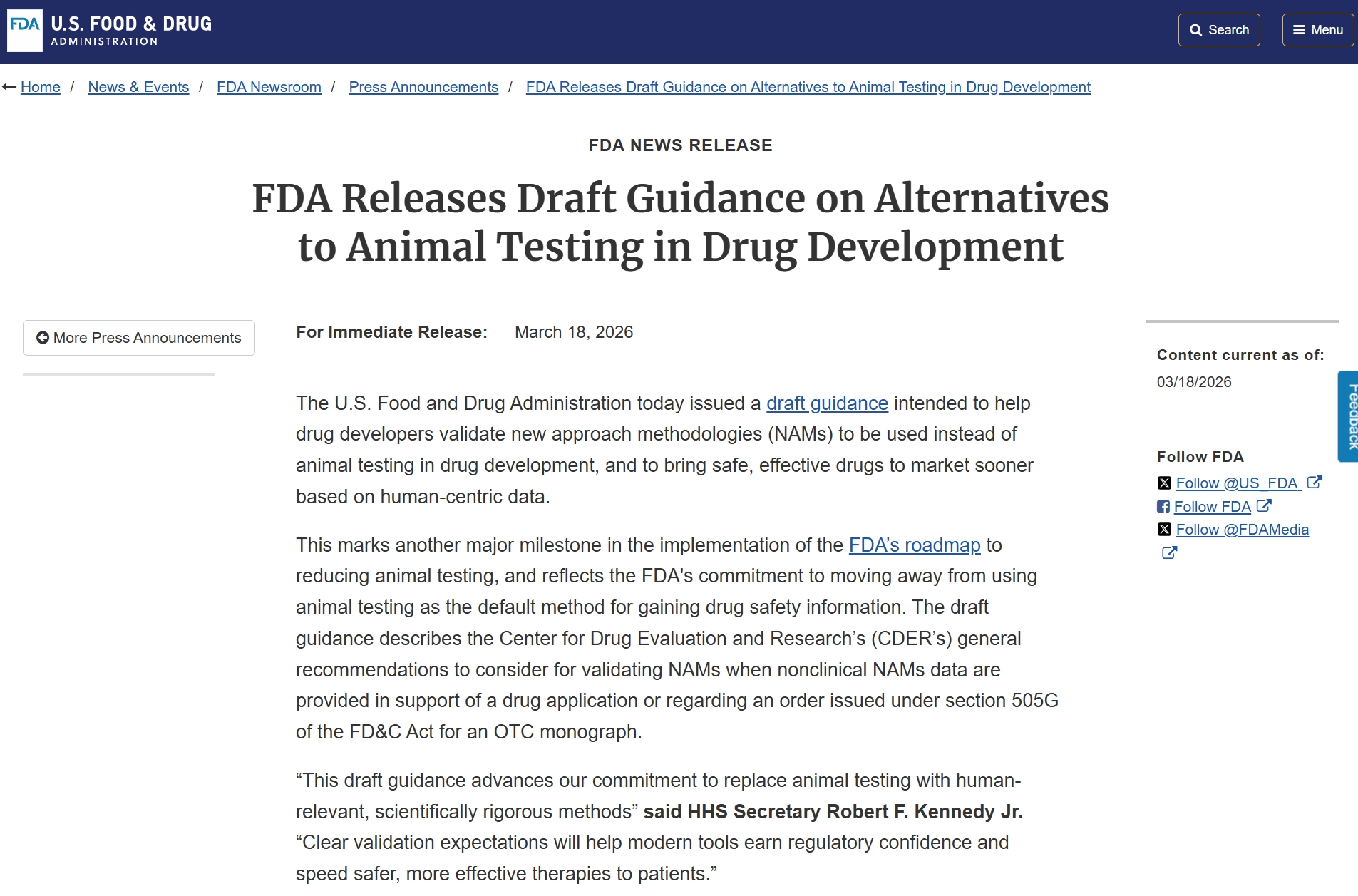
AI+organ chips hit FDA approval path with $28M funding—key for drug discovery practitioners
30-Second TL;DR
What Changed
200M RMB Series A funding with XtalPi follow-on
Why It Matters
Accelerates AI-biotech adoption in drug discovery, reduces animal testing reliance, and unlocks personalized medicine data for global pharma pipelines.
What To Do Next
Evaluate Yaosu's organ chip data APIs for training AI toxicology models in your drug screening pipeline.
Key Points
- •200M RMB Series A funding with XtalPi follow-on
- •88.9% drug sensitivity success in ovarian/cervical cancer organ chips
- •AI multi-modal fusion for vascular toxicity and tumor models
- •Partnerships with Sanofi, Pfizer shifting to joint R&D
- •IIT study: 100% prediction accuracy in 31 patients
Deep Insight
AI-generated analysis for this event — not the original article.
Enhanced Key Takeaways
- •Yaosu Tech's platform utilizes a proprietary 'Digital Twin' architecture that synchronizes real-time microfluidic sensor data with AI predictive models to simulate systemic drug metabolism beyond isolated organ responses.
- •The company has established a strategic collaboration with the National Center for Drug Screening in China to standardize organ-on-a-chip validation protocols, aiming to accelerate the regulatory acceptance of non-animal data in IND filings.
- •Beyond oncology, Yaosu Tech is expanding its AI-driven organ chip applications into neurodegenerative disease modeling, specifically targeting blood-brain barrier (BBB) permeability studies for Alzheimer's drug candidates.
Competitor Analysis
- Core Focus
- Human Emulation System
- Key Differentiation
- Established FDA/regulatory track record
- Benchmarks
- High-throughput organ-on-chip validation
- Core Focus
- OrganoPlate platform
- Key Differentiation
- High-throughput 3D tissue culture
- Benchmarks
- 384-well plate compatibility
- Core Focus
- Multi-organ-on-a-chip
- Key Differentiation
- Human-on-a-chip systemic simulation
- Benchmarks
- Long-term systemic interaction studies
| Company | Core Focus | Key Differentiation | Benchmarks |
|---|---|---|---|
| Emulate, Inc. | Human Emulation System | Established FDA/regulatory track record | High-throughput organ-on-chip validation |
| Mimetas | OrganoPlate platform | High-throughput 3D tissue culture | 384-well plate compatibility |
| TissUse | Multi-organ-on-a-chip | Human-on-a-chip systemic simulation | Long-term systemic interaction studies |
Technical Deep Dive
- •Platform Architecture: Employs a multi-modal fusion engine that integrates transcriptomic data, real-time impedance spectroscopy from microfluidic sensors, and high-content imaging.
- •Vascular Toxicity Model: Utilizes a proprietary micro-vascular network scaffold that mimics human capillary shear stress, allowing for the detection of drug-induced endothelial dysfunction.
- •AI Model: Employs a Graph Neural Network (GNN) to map molecular structures to biological responses observed in the organ-on-a-chip, enabling predictive toxicity screening before physical testing.
- •Data Integration: The system utilizes a closed-loop feedback mechanism where AI-predicted toxicity triggers automated adjustments in microfluidic flow rates to simulate physiological stress conditions.
Future ImplicationsAI analysis grounded in cited sources
Timeline
- 2022-05Yaosu Tech founded with a focus on microfluidic organ-on-a-chip technology.
- 2023-11Completion of pilot study demonstrating 88.9% sensitivity in ovarian cancer drug screening.
- 2024-09Initiation of joint R&D partnerships with Sanofi and Pfizer for toxicity testing.
- 2025-06Successful completion of IIT study showing 100% prediction accuracy in 31 patient samples.
- 2026-04Secured 200M RMB in Series A funding led by Guoshou Equity.
Weekly AI Recap
Read this week's curated digest of top AI events →
AI-curated news aggregator. All content rights belong to original publishers.
Original source: 36氪 ↗
This is a summary, not the original. Read the source, or get the weekly briefing.
The weekly digest
One email a week. Unsubscribe anytime.