Xreal's Project Aura smartglasses are a maximalist Android XR
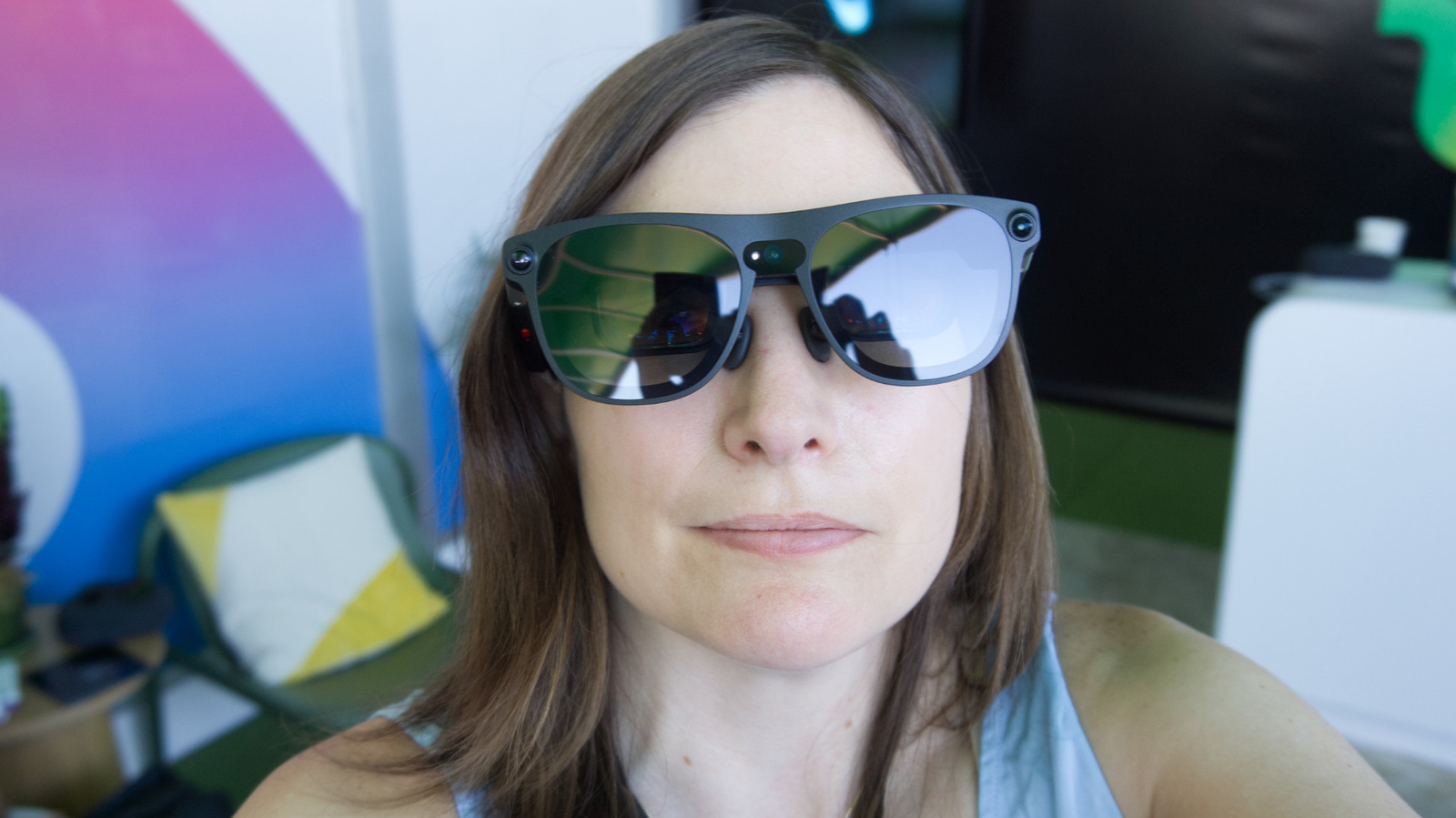
💡First look at Android XR hardware, a critical development for developers building spatial computing applications.
⚡ 30-Second TL;DR
What Changed
Project Aura is one of the first smart glasses built on the Android XR platform.
Why It Matters
The integration of Android XR into wearable hardware signals a major push by Google to standardize the spatial computing ecosystem for developers.
What To Do Next
Review the latest Android XR SDK documentation to understand how to port existing spatial apps to the Xreal hardware ecosystem.
Key Points
- •Project Aura is one of the first smart glasses built on the Android XR platform.
- •The device was officially showcased during Google I/O 2026.
- •It aims to provide a maximalist approach to augmented reality hardware.
🧠 Deep Insight
Web-grounded analysis with 9 cited sources.
🔑 Enhanced Key Takeaways
- •Project Aura operates as a standalone spatial computing device, powered by Android XR and a dedicated Qualcomm Snapdragon chipset housed in a separate computing puck, distinguishing it from Xreal's earlier models that often relied on tethering to smartphones for processing.
- •The smartglasses boast a 70-degree field of view (FOV), which is a substantial upgrade compared to the 57-degree FOV of Xreal's previous One Pro model, enhancing the immersive experience.
- •Project Aura integrates Google Gemini AI, enabling advanced AI-powered applications and spatial computing features such as immersive Google Maps, dynamic video content, and real-time 2D-to-3D conversion.
- •Xreal and Google have initiated the Android XR Developer Catalyst Program to foster the development of new XR experiences and applications within the Android XR ecosystem.
- •The device features a split-compute architecture, with an XREAL X1S spatial computing chip embedded in the glasses and a more powerful Qualcomm Snapdragon XR platform (likely XR2+ Gen 2 class) in the tethered compute puck, which also functions as a touch-sensitive controller.
🛠️ Technical Deep Dive
- Operating System: Android XR
- Display Type: Birdbath-style optics (newer, more compact generation)
- Field of View (FOV): 70°+
- Compute Architecture: Split-compute design with a tethered puck
- Compute Puck Chipset: Qualcomm Snapdragon XR platform (likely XR2+ Gen 2 class)
- Onboard Chipset (in glasses): XREAL X1S spatial computing chip
- Input Types: Hand tracking, gesture input, voice input, and a touchpad integrated into the compute puck
- Cameras: Three cameras, including two for gesture controls and one for capturing photos and videos
- AI Integration: Google Gemini
- App Ecosystem: Supports Google Play, Android XR apps, and OpenXR/WebXR
- Additional Features: Electrochromic dimming lenses for light control, DisplayPort over USB-C for external device connectivity.
🔮 Future ImplicationsAI analysis grounded in cited sources
⏳ Timeline
📎 Sources (9)
Factual claims are grounded in the sources below. Forward-looking analysis is AI-generated interpretation.
Weekly AI Recap
Read this week's curated digest of top AI events →
👉Related Updates
AI-curated news aggregator. All content rights belong to original publishers.
Original source: Engadget ↗