XPeng Pivots to Physical AI Platform Post-VLA 2
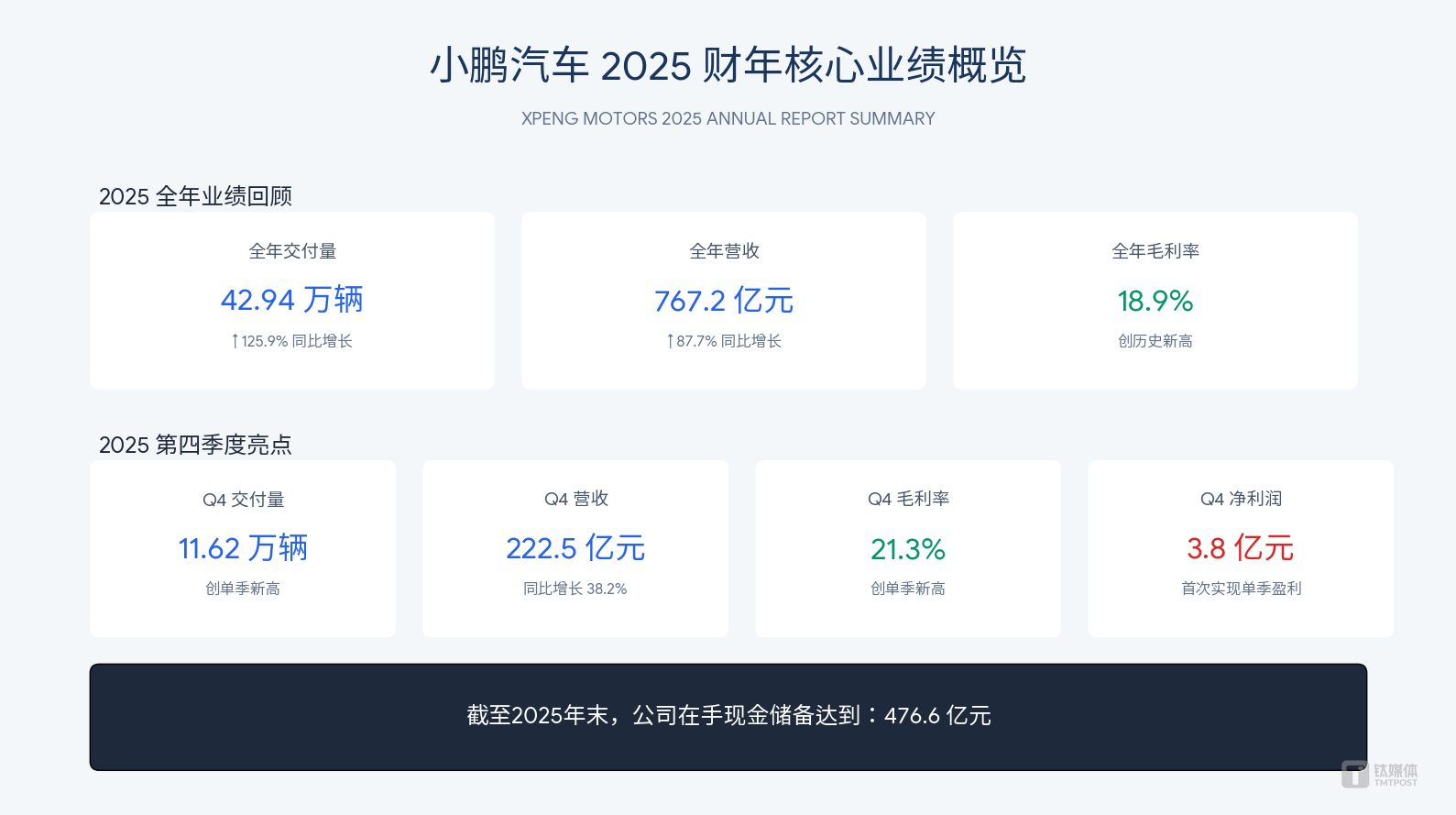
💡XPeng scales VLA 2, becoming physical AI platform—key for embodied AI strategy.
⚡ 30-Second TL;DR
What Changed
Second-gen VLA achieves large-scale deployment.
Why It Matters
XPeng's strategy shift intensifies competition in embodied AI for mobility, potentially drawing developer interest in their stack. It highlights how auto firms leverage AI for platform diversification.
What To Do Next
Benchmark XPeng VLA Gen2 performance in vision-language-action tasks for your embodied AI projects.
Key Points
- •Second-gen VLA achieves large-scale deployment.
- •Tech investments boost product power and business efficiency.
- •XPeng repositions as physical AI platform beyond car sales.
🧠 Deep Insight
AI-generated analysis for this event — not the original article.
🔑 Enhanced Key Takeaways
- •XPeng's VLA (Vision-Language-Action) model architecture has transitioned from a pure autonomous driving stack to a generalized foundation model capable of controlling humanoid robotics hardware.
- •The pivot includes the integration of end-to-end neural network architectures that unify perception, planning, and control, significantly reducing the reliance on traditional rule-based code in their vehicle operating system.
- •XPeng is actively licensing its physical AI stack to third-party hardware manufacturers, signaling a shift toward a software-as-a-service (SaaS) and platform-as-a-service (PaaS) revenue model.
📊 Competitor Analysis▸ Show
| Feature | XPeng (VLA Platform) | Tesla (FSD/Optimus) | Waymo (Driver) |
|---|---|---|---|
| Core Architecture | End-to-End VLA | End-to-End Neural Net | Hybrid/Modular AI |
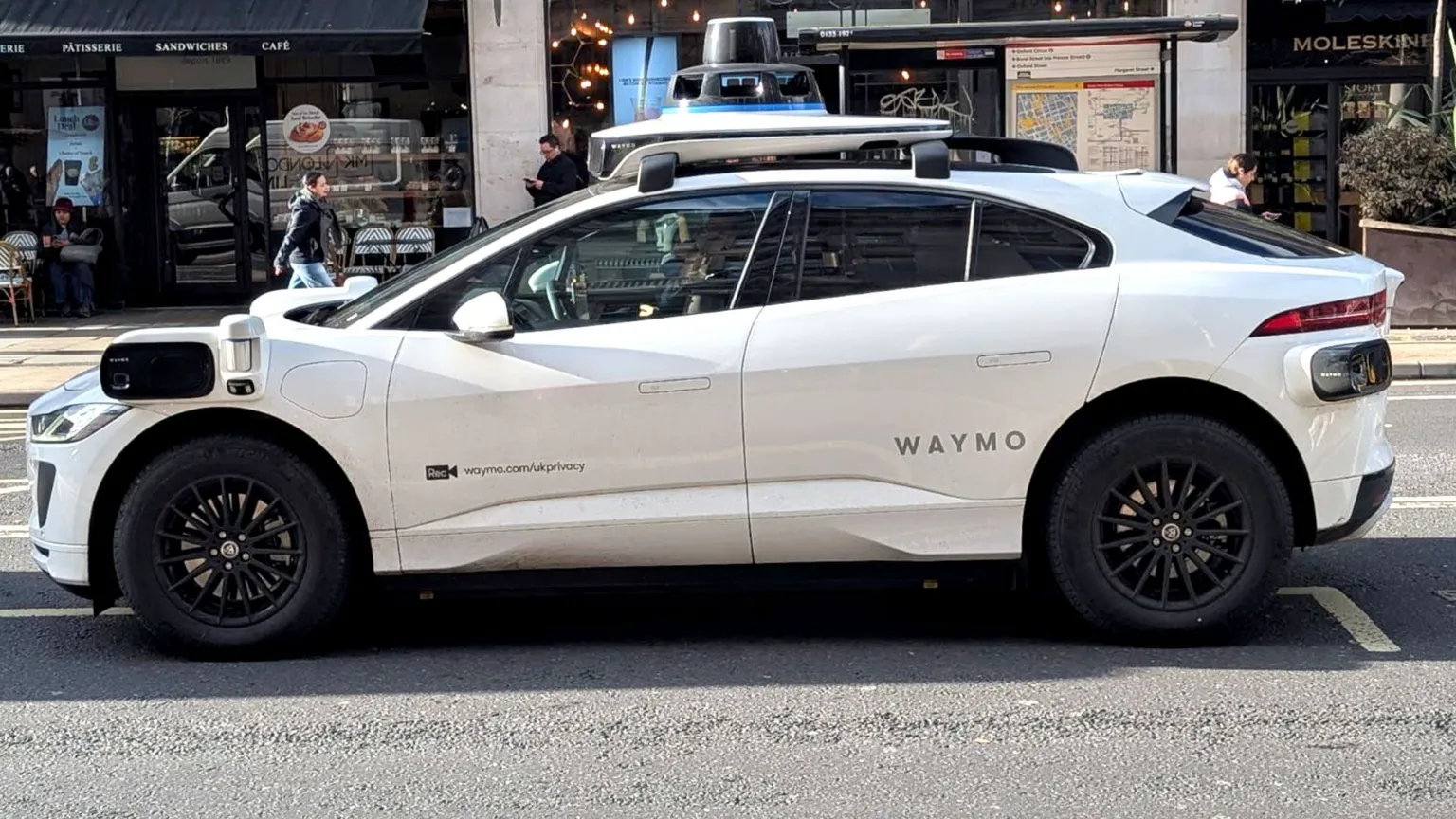
| Hardware Scope | Cars + Humanoids | Cars + Humanoids | Robotaxis only |
| Deployment Strategy | Open Platform/Licensing | Vertical Integration | Closed Ecosystem |
🛠️ Technical Deep Dive
- VLA Architecture: Utilizes a transformer-based backbone that processes multi-modal sensor inputs (camera, LiDAR, radar) directly into motor control commands.
- Action Tokenization: The model treats physical movements as 'action tokens' in a sequence, similar to how LLMs process text, allowing for generalization across different robotic embodiments.
- Training Data: Leverages massive datasets from XPeng's fleet of consumer vehicles to pre-train the model on real-world driving scenarios before fine-tuning for specific robotic tasks.
🔮 Future ImplicationsAI analysis grounded in cited sources
⏳ Timeline
Weekly AI Recap
Read this week's curated digest of top AI events →
👉Related Updates

AI-curated news aggregator. All content rights belong to original publishers.
Original source: 钛媒体 ↗
This is a summary, not the original. Read the source, or get the weekly briefing.
Weekly AI briefing
One email a week. Unsubscribe anytime.