Workers Watch Ray-Ban Meta Bathroom Footage
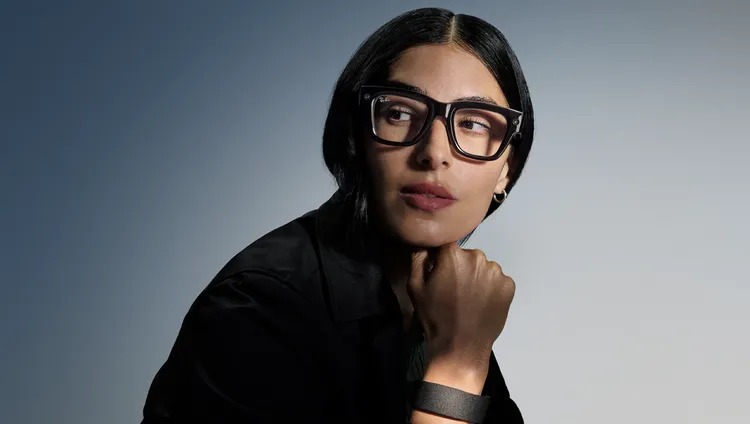
💡Privacy breach in AI glasses reveals human video review—vital ethics lesson for devs.
⚡ 30-Second TL;DR
What Changed
Human moderators viewed sensitive bathroom footage from Ray-Ban Meta glasses.
Why It Matters
This privacy scandal erodes user trust in Meta's AI wearables and may trigger regulatory probes. AI teams face heightened scrutiny on data handling in edge devices.
What To Do Next
Audit video pipelines with Presidio anonymizer to detect PII before any human review.
Key Points
- •Human moderators viewed sensitive bathroom footage from Ray-Ban Meta glasses.
- •Users unaware videos sent for human review.
- •Meta accused of hiding privacy practices around smart glass data.
🧠 Deep Insight
Background and context from public sources — not the original article. 5 sources cited.
🔑 Enhanced Key Takeaways
- •Swedish newspapers' February 2026 investigation revealed Meta subcontracts footage review to a Kenyan data annotation firm, where workers viewed intimate content like people undressing and credit card details without bystander awareness.
- •Meta's recording LED on Ray-Ban glasses is nearly invisible in daylight and easily covered, undermining its privacy notification purpose.
- •In April 2025, Meta updated its privacy policy to enable AI features by default and removed user options to prevent voice recording storage.
- •UK’s Information Commissioner’s Office demanded transparency from Meta in early 2026 on compliance with data protection laws.
- •EPIC urged the FTC and states to block Meta's planned facial recognition integration into smart glasses due to risks to privacy and civil liberties.
📊 Competitor Analysis▸ Show
| Feature | Ray-Ban Meta | Apple Vision Pro |
|---|---|---|
| Price | $299 | $3,499 |
| Positioning | Mass-market eyewear | Premium MR device |
| Privacy Focus | LED indicator (criticized as ineffective) | Limited mass reach reduces bystander exposure |
🔮 Future ImplicationsAI analysis grounded in cited sources
⏳ Timeline
📎 Sources (5)
Factual claims are grounded in the sources below. Forward-looking analysis is AI-generated interpretation.
Weekly AI Recap
Read this week's curated digest of top AI events →
👉Related Updates
AI-curated news aggregator. All content rights belong to original publishers.
Original source: Ars Technica AI ↗
This is a summary, not the original. Read the source, or get the weekly briefing.
Weekly AI briefing
One email a week. Unsubscribe anytime.