Wireless charging is significantly less energy-efficient than wired
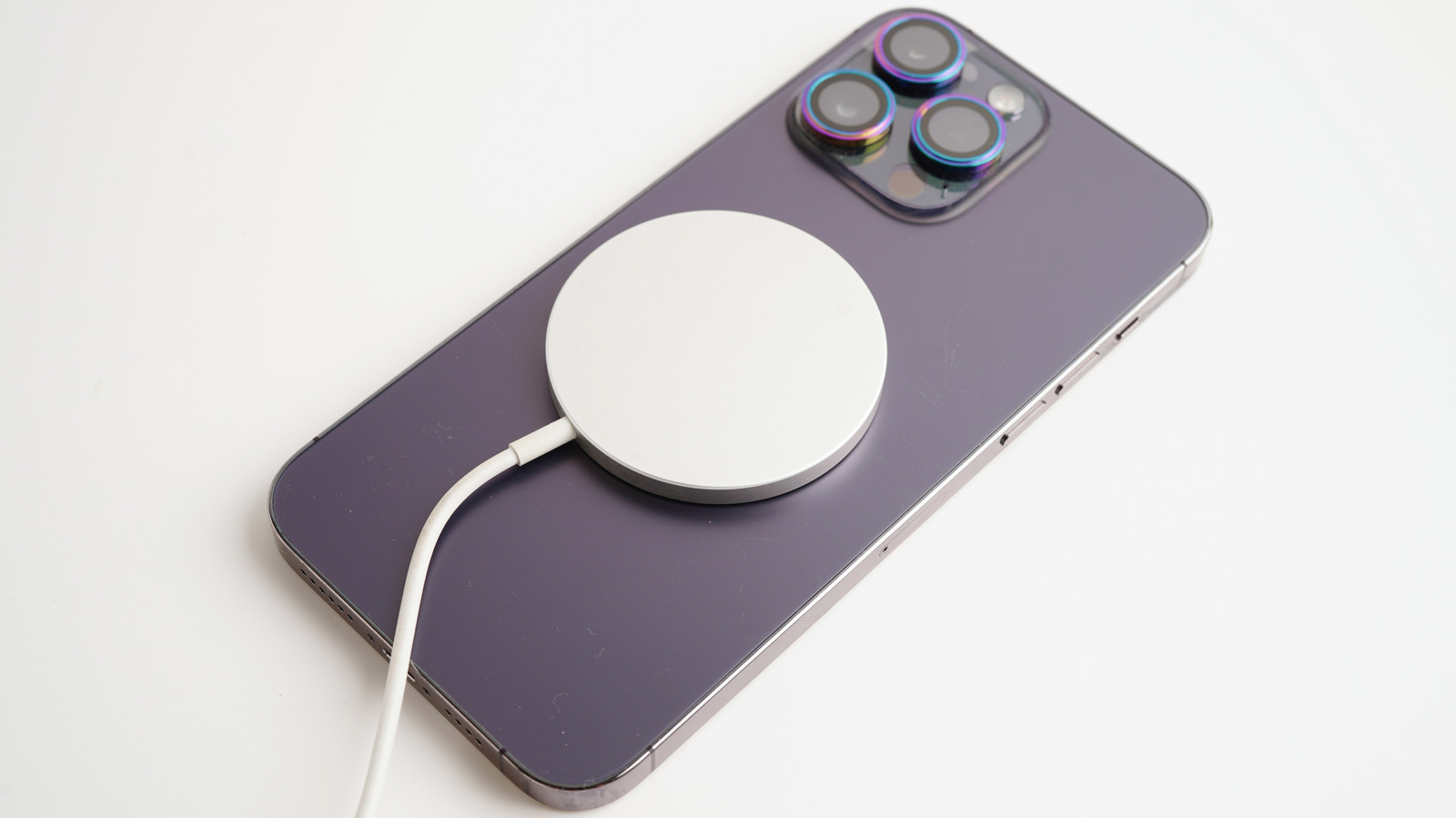
Understand the power efficiency trade-offs when designing hardware for AI edge devices and power-hungry sensors.
30-Second TL;DR
What Changed
Wireless charging experiences significant energy loss during the inductive power transfer process.
Why It Matters
For hardware developers and AI edge device manufacturers, this highlights the need to optimize power management systems. It also suggests that large-scale AI infrastructure should prioritize wired power delivery to minimize operational overhead.
What To Do Next
If designing AI-powered edge hardware, prioritize wired charging protocols to ensure maximum power efficiency and lower thermal output.
Key Points
- •Wireless charging experiences significant energy loss during the inductive power transfer process.
- •Wired charging remains the gold standard for power efficiency and speed.
- •The convenience of wireless charging comes at the cost of higher electricity consumption per charge cycle.
Deep Insight
AI-generated analysis for this event — not the original article.
Enhanced Key Takeaways
- •Wireless charging efficiency typically ranges between 70% and 80%, whereas wired charging often exceeds 90% efficiency due to reduced energy conversion stages.
- •The Qi2 standard, introduced by the Wireless Power Consortium, utilizes Magnetic Power Profile (MPP) to improve alignment, which marginally reduces energy waste compared to older, non-magnetic inductive standards.
- •Energy loss in wireless charging primarily manifests as heat, which can accelerate battery degradation over time if thermal management systems are not optimized.
- •The 'vampire draw' or idle power consumption of wireless charging pads remains a concern, as many chargers continue to consume electricity even when a device is fully charged or removed.
- •Regulatory bodies in regions like the EU are increasingly scrutinizing the energy efficiency of consumer electronics accessories, potentially leading to future mandatory efficiency standards for wireless chargers.
Technical Deep Dive
- Inductive coupling relies on two coils (transmitter and receiver) creating a magnetic field; misalignment between these coils significantly increases leakage inductance and reduces power transfer efficiency.
- Resonant inductive coupling allows for greater distance and spatial freedom but introduces higher complexity in frequency tuning to maintain efficiency.
- Energy loss occurs at three main stages: AC-to-DC conversion at the wall adapter, DC-to-AC conversion at the transmitter coil, and AC-to-DC rectification at the receiver coil.
- Eddy currents induced in nearby metallic objects or the device chassis itself contribute to parasitic power loss and localized heating.
Future ImplicationsAI analysis grounded in cited sources
Timeline
- 2008-12Wireless Power Consortium (WPC) forms and establishes the Qi standard.
- 2012-09Nokia Lumia 920 launches as one of the first mass-market smartphones with integrated Qi wireless charging.
- 2017-09Apple introduces wireless charging to the iPhone 8 and X, significantly increasing consumer adoption of the technology.
- 2023-04WPC releases the Qi2 standard, incorporating magnetic alignment technology to improve efficiency and compatibility.
Weekly AI Recap
Read this week's curated digest of top AI events →
Related Updates

AI-curated news aggregator. All content rights belong to original publishers.
Original source: Engadget ↗
This is a summary, not the original. Read the source, or get the weekly briefing.
The weekly digest
One email a week. Unsubscribe anytime.