Windows Licensing Hike Could Push PC Prices Higher
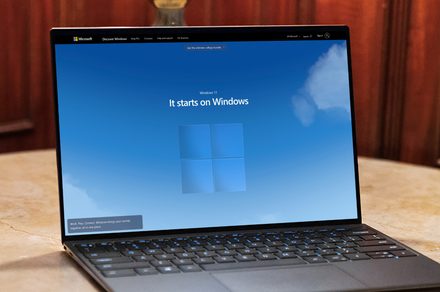
💡Rising Windows, memory, and CPU costs could reshape the economics of local AI development.
⚡ 30-Second TL;DR
What Changed
Windows licensing fees reportedly increased by as much as 10%.
Why It Matters
Higher workstation prices could make it more expensive for small teams to equip developers with local inference or data-processing machines. Teams may need to compare Windows hardware purchases with cloud-based development environments more carefully.
What To Do Next
Recalculate your next AI workstation budget and compare the total cost of ownership with a Linux workstation or cloud GPU environment.
Key Points
- •Windows licensing fees reportedly increased by as much as 10%.
- •The licensing increase is being added to higher memory and CPU costs.
- •More expensive PCs could raise the hardware budget for AI development teams.
🧠 Deep Insight
AI-generated analysis for this event.
🔑 Enhanced Key Takeaways
- •The licensing fee adjustment is part of Microsoft's broader strategy to offset increased R&D spending related to integrating 'Windows Intelligence' features directly into the OS kernel.
- •OEMs are reportedly negotiating volume-based rebates to mitigate the 10% hike, though these concessions are primarily reserved for enterprise-grade hardware partners.
- •Supply chain analysts attribute the concurrent rise in CPU and memory costs to a global shortage of high-bandwidth memory (HBM) modules required for AI-capable PCs.
- •Microsoft has introduced a tiered licensing model where 'AI-Ready' certified PCs incur a higher royalty fee compared to standard entry-level configurations.
- •The price increase coincides with Microsoft's transition toward a subscription-heavy 'Windows as a Service' model for commercial entities, further complicating hardware procurement budgets.
📊 Competitor Analysis▸ Show
| Feature/Metric | Windows 11/12 (OEM) | ChromeOS (Enterprise) | Linux (Ubuntu/Fedora) |
|---|---|---|---|
| Licensing Model | Per-device royalty | Per-device subscription | Free/Open Source |
| AI Integration | Deep OS/Kernel level | Cloud-based/Browser | Modular/User-defined |
| Hardware Cost | High (Premium) | Low (Optimized) | Variable (Low to High) |
| Target Market | Enterprise/Gaming | Education/Cloud-work | Dev/Server/Privacy |
🛠️ Technical Deep Dive
- The licensing hike specifically targets the Windows Core OS architecture, which now includes dedicated NPU (Neural Processing Unit) scheduling drivers.
- New hardware requirements for the latest Windows iterations mandate a minimum of 16GB RAM and 256GB NVMe storage to support local AI model execution.
- The OS kernel has been modified to prioritize AI-workload threads, requiring tighter integration with silicon-level power management features from Intel and AMD.
- Licensing tiers are now tied to the 'TOPS' (Trillions of Operations Per Second) capability of the integrated NPU, creating a direct link between hardware performance and software cost.
🔮 Future ImplicationsAI analysis grounded in cited sources
⏳ Timeline
Weekly AI Recap
Read this week's curated digest of top AI events →
👉Related Updates


AI-curated news aggregator. All content rights belong to original publishers.
Original source: Digital Trends ↗