Why Global Giants Are Embracing Chinese Tech
💡See how Alibaba, Baidu, and CATL are becoming strategic technology partners for global enterprises.
⚡ 30-Second TL;DR
What Changed
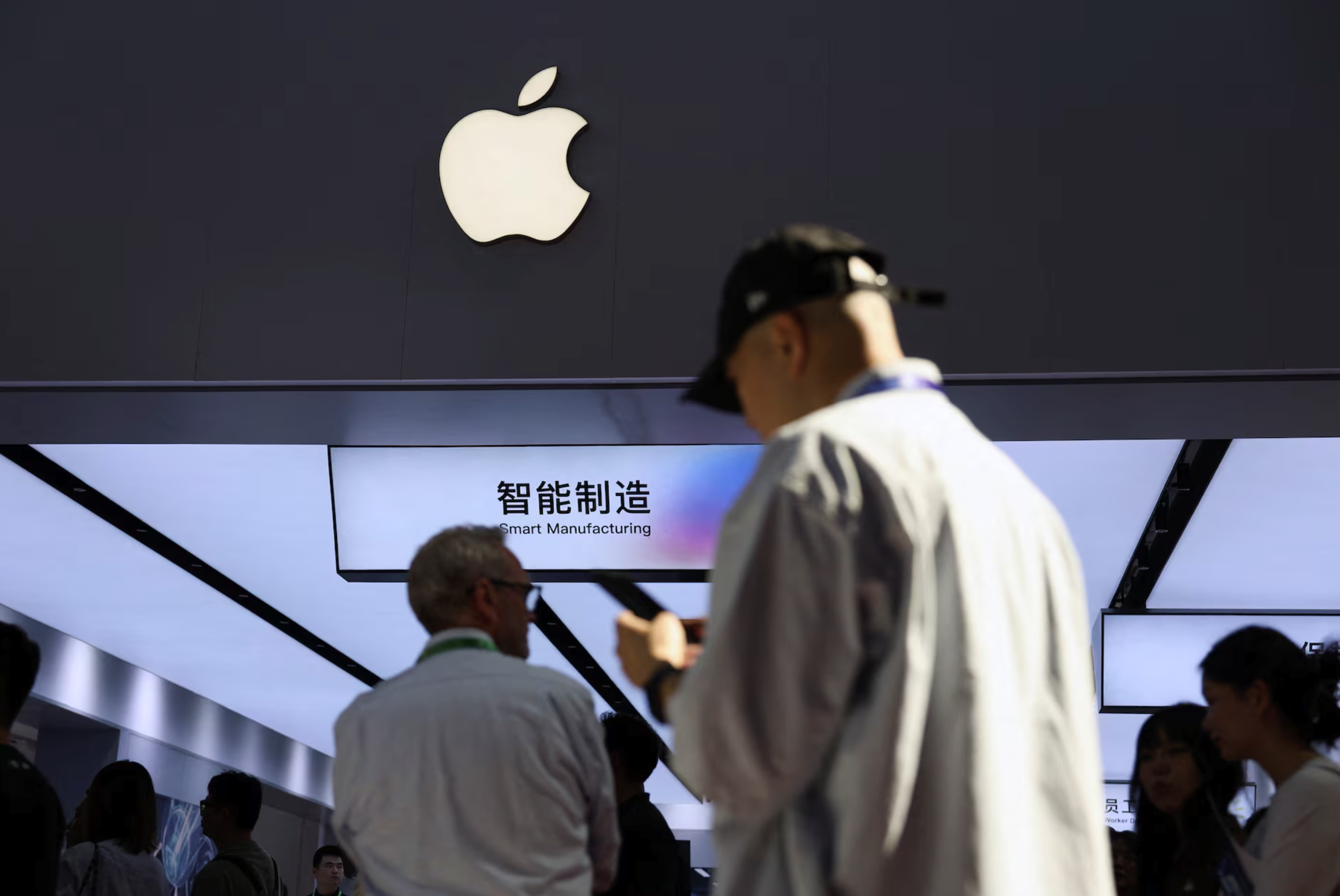
Apple has adopted AI technologies from Alibaba and Baidu for its China operations.
Why It Matters
The partnerships show that Chinese AI, battery, and EV capabilities remain commercially valuable despite geopolitical restrictions. For enterprises, regional access to competitive technology may increasingly outweigh concerns about supply-chain and regulatory complexity.
What To Do Next
Evaluate Alibaba and Baidu’s enterprise AI offerings for a China-market prototype, while documenting data residency and cross-border compliance requirements.
Key Points
- •Apple has adopted AI technologies from Alibaba and Baidu for its China operations.
- •Ford is turning to CATL for electric-vehicle battery technology.
- •Volkswagen and XPeng are jointly developing intelligent electric vehicles in China.
- •Stellantis is expanding its Leapmotor partnership to include EV production and joint procurement.
🧠 Deep Insight
AI-generated analysis for this event.
🔑 Enhanced Key Takeaways
- •The integration of Chinese AI models by Apple is driven by strict local regulatory requirements, specifically the Cyberspace Administration of China's mandate that generative AI services must undergo security assessments and filing.
- •Ford's collaboration with CATL involves a unique licensing model where Ford owns and operates the battery plant in Michigan while utilizing CATL's LFP (Lithium Iron Phosphate) technology and technical expertise.
- •Volkswagen's investment in XPeng includes a 4.99% stake acquisition, marking a shift from traditional joint ventures to a 'local-for-local' strategy to accelerate software-defined vehicle development.
- •Stellantis's partnership with Leapmotor utilizes a 'Leapmotor International' joint venture structure, allowing Stellantis to leverage Leapmotor's cost-efficient EV platform to sell vehicles in markets outside of China, including Europe and South America.
- •Global firms are increasingly adopting a 'China-for-China' operational model, decoupling their Chinese R&D and supply chains from global operations to mitigate geopolitical risks while maintaining market access.
📊 Competitor Analysis▸ Show
| Feature | Chinese Tech Integration (e.g., Apple/VW) | Traditional Western-Only Strategy |
|---|---|---|
| Market Access | High (Compliance with local mandates) | Low (Risk of exclusion/regulatory friction) |
| Cost Efficiency | High (Access to mature EV/Battery supply chain) | Moderate (Higher R&D/Production costs) |
| Innovation Speed | Rapid (Leveraging local AI/EV ecosystems) | Slower (Internal development cycles) |
| Geopolitical Risk | High (Exposure to trade restrictions) | Low (Compliance with Western policies) |
🛠️ Technical Deep Dive
- CATL LFP Technology: Utilizes Lithium Iron Phosphate chemistry which offers higher thermal stability and longer cycle life compared to traditional Nickel Manganese Cobalt (NMC) batteries, though with lower energy density.
- XPeng EEA 3.0 Architecture: A centralized electronic and electrical architecture that supports high-speed OTA (Over-the-Air) updates and advanced autonomous driving integration, which Volkswagen is adopting for its China-specific ID. series.
- Leapmotor LEAP 3.0 Platform: Features a 'Cell-to-Chassis' (CTC) integration technology that eliminates the battery pack housing, reducing vehicle weight and increasing interior space efficiency.
🔮 Future ImplicationsAI analysis grounded in cited sources
⏳ Timeline
Weekly AI Recap
Read this week's curated digest of top AI events →
👉Related Updates
AI-curated news aggregator. All content rights belong to original publishers.
Original source: cnBeta (Full RSS) ↗