Why global investors keep missing Africa’s biggest climate opportunity
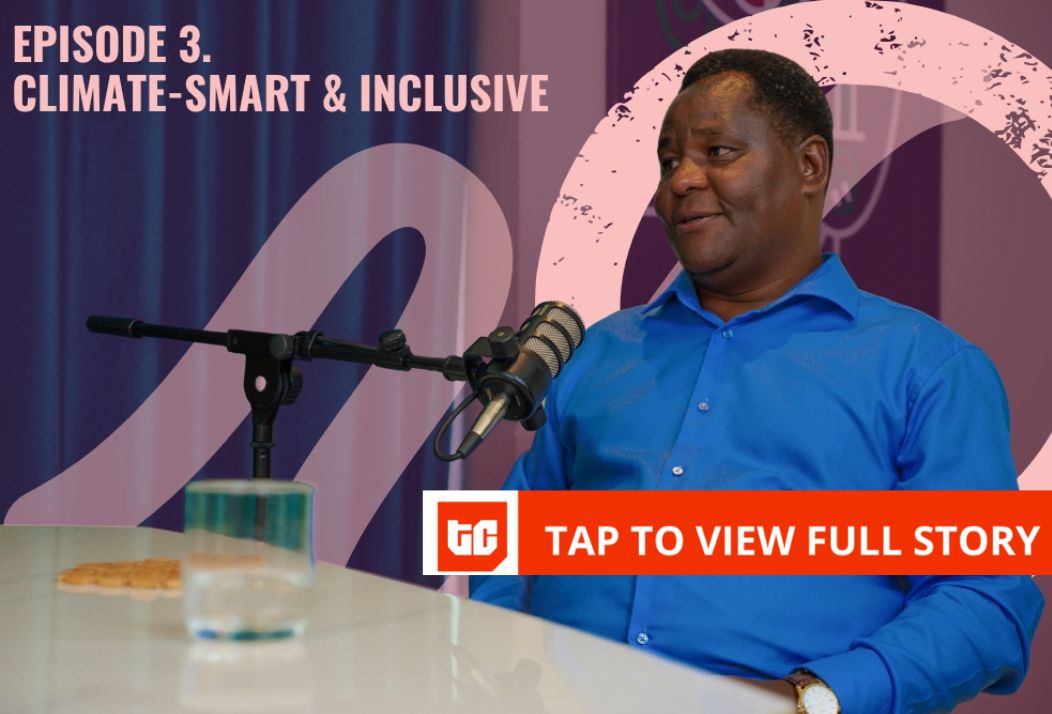
💡Discover the massive, underserved market for AI climate-tech solutions in Africa where capital is ready but misaligned.
⚡ 30-Second TL;DR
What Changed
Annual capital commitments to Africa have risen to $44 billion, a 50% increase.
Why It Matters
This funding gap suggests a massive untapped market for AI-driven climate modeling and precision agriculture tools tailored for the African continent. Founders who can bridge this gap by localizing AI solutions may find significant first-mover advantages.
What To Do Next
If you are building climate-tech, investigate the 'Africa Climate Tech' investment landscape and prioritize building datasets that address local agricultural challenges to attract impact-focused venture capital.
Key Points
- •Annual capital commitments to Africa have risen to $44 billion, a 50% increase.
- •Founders building drought-resilience and emission-reduction tech struggle to secure funding.
- •There is a persistent mismatch between global investor mandates and the realities of African climate-tech markets.
🧠 Deep Insight
Background and context from public sources — not the original article. 21 sources cited.
🔑 Enhanced Key Takeaways
- •Africa faces a substantial annual climate finance gap, requiring an estimated USD 277 billion by 2030 to meet its Nationally Determined Contributions (NDCs), yet only receives approximately USD 29.5 billion annually.
- •While overall climate finance flows to Africa increased to USD 43.7 billion in 2021/22, a significant 87% of this capital originated from international sources, underscoring persistent challenges in domestic resource mobilization.
- •A structural shift in African climate tech funding has seen debt financing surpass equity, accounting for 54% of all funding in 2025, primarily benefiting asset-heavy, revenue-generating businesses like solar providers.
- •A critical 'missing middle' funding gap exists for early-stage climate ventures, specifically for investments between $250,000 and $1 million, hindering promising innovations from scaling beyond proof-of-concept.
- •Private sector investment constitutes a low share of Africa's total climate finance, at around 18%, significantly lagging behind other regions such as Latin America (49%) and East Asia and the Pacific (39%).
🛠️ Technical Deep Dive
- Direct Air Carbon Capture (DAC): Kenya-based Octavia Carbon is developing DAC machines to remove CO2 from the atmosphere, with prototypes designed to capture 5-10 tonnes/year and later models targeting 100 tonnes/year. The captured CO2 can be stored geologically or utilized by industries.
- Drought Resilience & Climate-Smart Agriculture:
- Smart Solar Dryers: Jafife (Morocco) develops smart solar dryers to reduce post-harvest losses and extend the shelf life of agricultural produce.
- Digital Agricultural Platforms: Companies like CoAmana and Crop2Cash (Nigeria) offer digital platforms providing farmers with market access, financial services, drought-resistant seeds, and climate-smart farming content.
- Organic Fertilizers: Cadel Consulting (Burkina Faso) produces phospho-compost, an organic fertilizer aimed at restoring degraded land.
- IoT-powered Water Management: BENAA (Egypt) utilizes IoT technology to transform wastewater into safe irrigation water, addressing water scarcity.
- Solar-powered Irrigation: SunCulture (Kenya) provides solar-powered irrigation systems for smallholder farmers.
- Emission Reduction & Circular Economy:
- CO2-to-Methanol Conversion: Research by Dr. Gift Mehlana (Zimbabwe) focuses on converting carbon dioxide into methanol using chemical and biological catalysts for clean energy and industrial applications.
- Sustainable Packaging: Zuripacks (Kenya) pioneers plant-based packaging as an alternative to single-use plastics.
- Waste-to-Construction Materials: Helton Traders (Uganda) transforms plastic waste into durable construction materials.
- Biochar Production: NetZero and Releaf (Cameroon/Nigeria) are piloting biochar production for carbon sequestration and soil improvement.
- Renewable Energy Solutions: Wetility (South Africa) provides solar panels and digital management systems for homes and businesses, while Solar Freeze (Kenya) offers off-grid solar-powered refrigeration for farmers. Ecoligo provides solar energy solutions for SMEs.
🔮 Future ImplicationsAI analysis grounded in cited sources
⏳ Timeline
📎 Sources (21)
Factual claims are grounded in the sources below. Forward-looking analysis is AI-generated interpretation.
Weekly AI Recap
Read this week's curated digest of top AI events →
👉Related Updates
AI-curated news aggregator. All content rights belong to original publishers.
Original source: TechCabal ↗
This is a summary, not the original. Read the source, or get the weekly briefing.
Weekly AI briefing
One email a week. Unsubscribe anytime.