Why China Is More AI-Optimistic Than the US
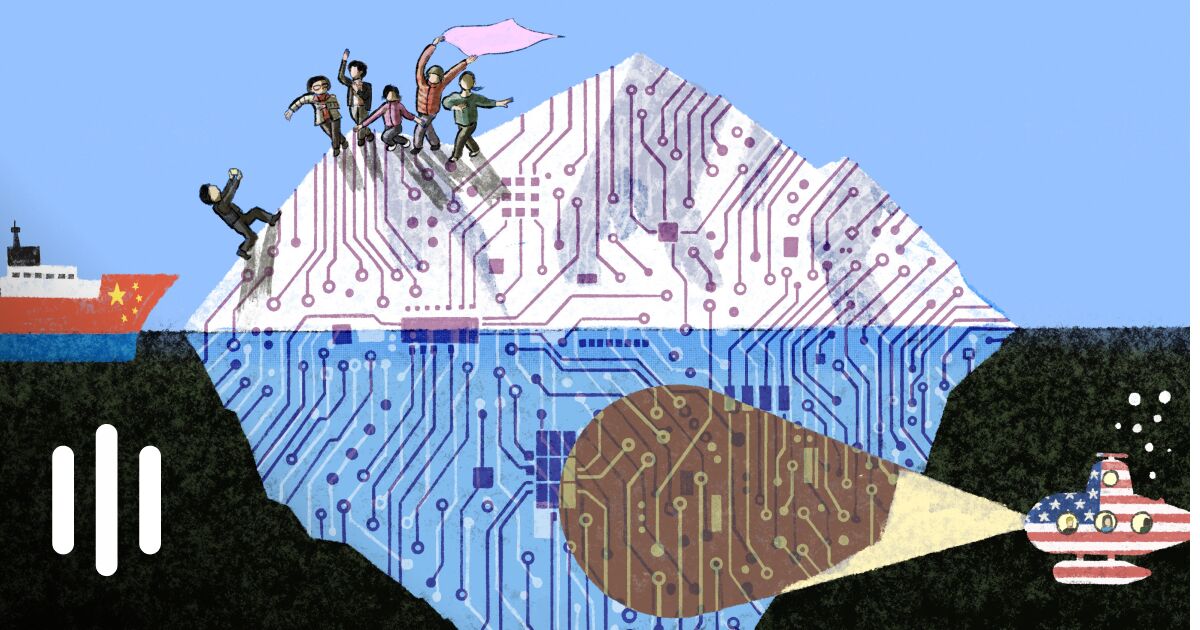
💡Understand the China-US sentiment gap that could shape AI adoption and go-to-market plans.
⚡ 30-Second TL;DR
What Changed
The discussion focuses on the gap in AI optimism between China and the United States.
Why It Matters
The session may provide useful context on how public sentiment shapes AI adoption, investment, and policy in two major markets. Practitioners can use these perspectives when planning regional product strategies.
What To Do Next
Register for the Bloomberg Technology Q&A and prepare one question about how regional AI sentiment affects product adoption.
Key Points
- •The discussion focuses on the gap in AI optimism between China and the United States.
- •Bloomberg reporters will answer audience questions in a live Q&A format.
- •The event is scheduled for August 21, 2026, at 10 a.m. HKT.
🧠 Deep Insight
AI-generated analysis for this event.
🔑 Enhanced Key Takeaways
- •Surveys consistently indicate that Chinese consumers prioritize the convenience and efficiency gains of AI, whereas US sentiment is increasingly dominated by concerns regarding data privacy, job displacement, and algorithmic bias.
- •The Chinese government's 'New Generation Artificial Intelligence Development Plan' has fostered a cultural narrative that frames AI as a national strategic imperative, aligning public perception with state-led technological progress.
- •Differences in digital infrastructure, such as the ubiquity of 'super-apps' like WeChat in China, have integrated AI-driven services into daily life more seamlessly than the fragmented app ecosystem in the US.
- •Academic research suggests that the 'AI optimism gap' is also influenced by varying levels of trust in institutional oversight, with Chinese citizens often perceiving AI as a tool for improving public service delivery.
- •Market data shows that Chinese AI adoption is heavily weighted toward consumer-facing applications and entertainment, while US AI investment remains concentrated in enterprise software and productivity tools, shaping different user expectations.
🔮 Future ImplicationsAI analysis grounded in cited sources
⏳ Timeline
Weekly AI Recap
Read this week's curated digest of top AI events →
👉Related Updates
Same topic
Explore #ai-optimism
Same product
More on bloomberg-technology-live-q&a
Same source
Latest from Bloomberg Technology
Stecon Targets $1.5 Billion Thailand Data Center Bids
Callosum Raises $100 Million to Cut AI Costs
Xynova Pushes Human-Like Robot Hands Forward
LeadShine Maps China’s Faster Robotics Supply Chain
AI-curated news aggregator. All content rights belong to original publishers.
Original source: Bloomberg Technology ↗