Vera Rubin Lifts TLC NAND Prices
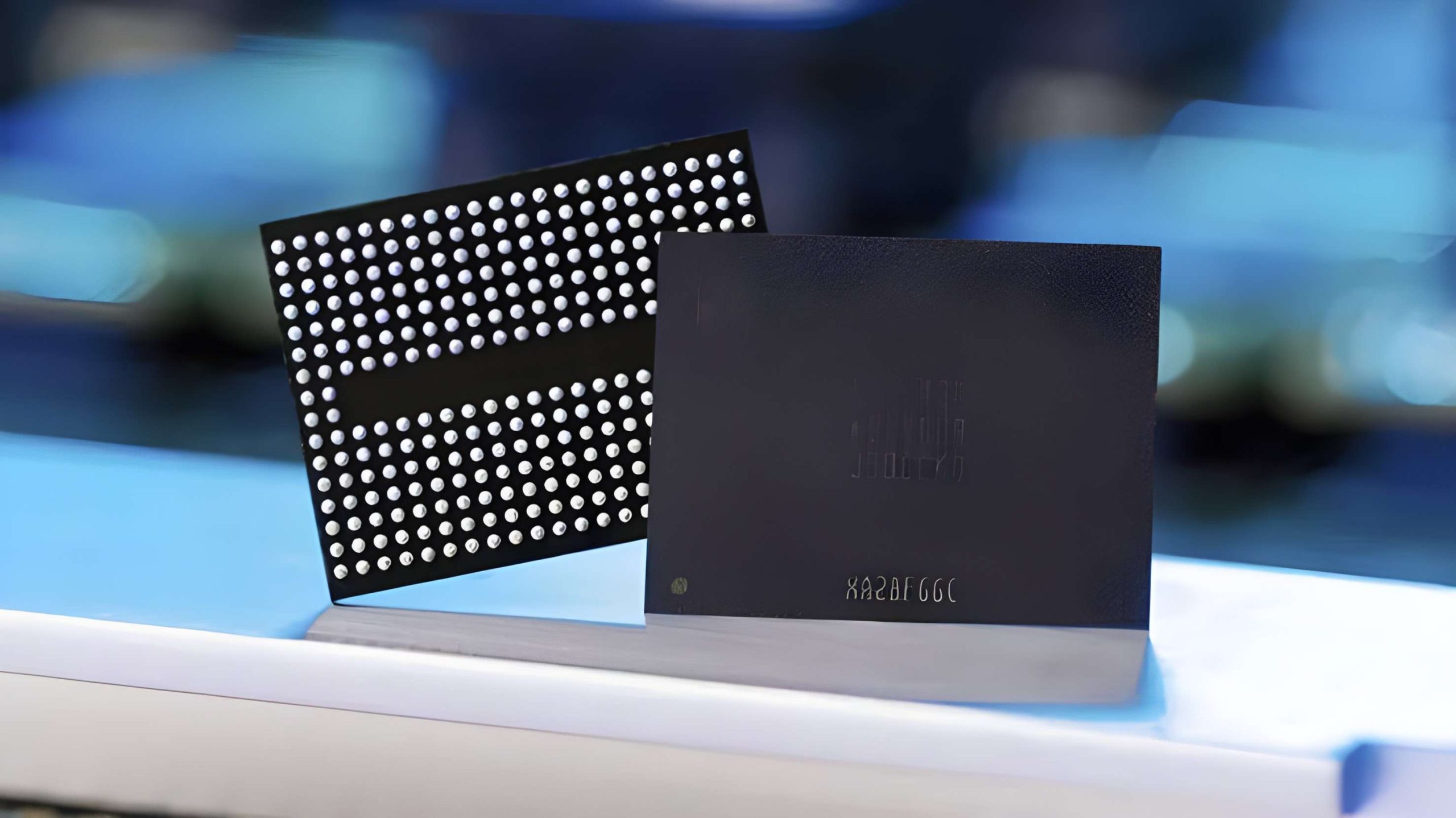
💡Vera Rubin demand is already moving NAND prices, with direct implications for AI server storage budgets.
⚡ 30-Second TL;DR
What Changed
Vera Rubin's expanding mass production is increasing demand for TLC NAND.
Why It Matters
Higher NAND prices could raise storage costs for AI servers, inference clusters, and data-intensive training infrastructure. AI builders should account for memory and storage price volatility when planning capacity expansions and hardware procurement.
What To Do Next
Update your AI infrastructure bill of materials with current 512Gb TLC NAND spot prices and compare TLC versus QLC options before committing to the next storage purchase.
Key Points
- •Vera Rubin's expanding mass production is increasing demand for TLC NAND.
- •512Gb TLC NAND spot prices have recovered to $21 after a June downturn.
- •QLC NAND prices remain stable despite the stronger demand for TLC products.
- •The price recovery is attributed to NVIDIA's technology upgrades and broader market demand.
🧠 Deep Insight
AI-generated analysis for this event.
🔑 Enhanced Key Takeaways
- •The Vera Rubin architecture utilizes HBM4 memory, which necessitates a shift in NAND storage configurations to balance high-bandwidth compute requirements with high-capacity data staging.
- •NVIDIA's transition to the Vera Rubin platform involves a move toward higher-density NAND flash to support the increased data throughput demands of the Blackwell-successor GPU clusters.
- •Supply chain analysts note that major NAND manufacturers like Samsung and SK Hynix are prioritizing TLC production capacity for AI server OEMs, tightening supply for consumer-grade electronics.
- •The price rebound is exacerbated by a strategic reduction in NAND wafer output initiated by major suppliers in early 2026 to stabilize margins following the mid-year price slump.
- •Integration of Vera Rubin systems requires enhanced NVMe storage controllers capable of managing the increased IOPS associated with the platform's massive parallel processing capabilities.
📊 Competitor Analysis▸ Show
| Feature | NVIDIA Vera Rubin Platform | AMD Instinct MI400 Series | Intel Gaudi 4 |
|---|---|---|---|
| Memory Type | HBM4 | HBM3e/HBM4 | HBM3e |
| Primary Storage Focus | High-Density TLC NAND | Balanced TLC/QLC | Standardized NVMe |
| Market Positioning | Ultra-Scale AI Training | HPC & Generative AI | Enterprise AI Inference |
🛠️ Technical Deep Dive
- Vera Rubin architecture utilizes a multi-die chiplet design that integrates compute and memory controllers on a unified substrate.
- The platform supports PCIe Gen 6.0 interfaces, requiring NAND storage solutions that can sustain higher sequential read/write speeds to prevent data bottlenecks.
- NAND flash requirements for Rubin-based systems emphasize endurance (TBW) to handle the constant checkpointing and model weight updates inherent in large-scale AI training.
- The shift in NAND demand is driven by the need for low-latency storage tiers that act as a buffer between HBM4 and long-term cold storage.
🔮 Future ImplicationsAI analysis grounded in cited sources
⏳ Timeline
Weekly AI Recap
Read this week's curated digest of top AI events →
👉Related Updates

AI-curated news aggregator. All content rights belong to original publishers.
Original source: cnBeta (Full RSS) ↗