U.S. Sets Drone Tariffs Up to 100%
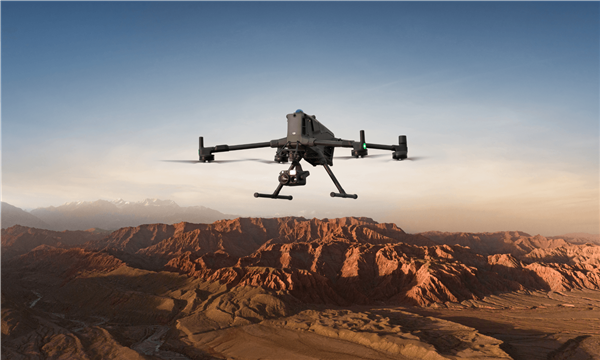
💡Drone AI deployments could face sharply higher hardware costs under new U.S. tariffs.
⚡ 30-Second TL;DR
What Changed
Large drones and drones linked to specific national-security risks may face a 100% ad valorem tariff.
Why It Matters
Higher import costs could affect drone startups, robotics developers, and AI teams that rely on overseas airframes, sensors, controllers, or propulsion components. Companies may need to reassess sourcing, pricing, and deployment plans for drone-based AI systems.
What To Do Next
Audit your drone AI system’s bill of materials and ask a customs broker to classify each imported component before placing new orders.
Key Points
- •Large drones and drones linked to specific national-security risks may face a 100% ad valorem tariff.
- •Smaller drones will be subject to a 25% tariff.
- •The measure covers both complete drones and their components.
🧠 Deep Insight
AI-generated analysis for this event.
🔑 Enhanced Key Takeaways
- •The tariff order is part of a broader 'Section 301' investigation update targeting supply chain dependencies on foreign-manufactured unmanned aerial systems (UAS).
- •Industry analysts note that the 100% tariff specifically targets drones equipped with advanced telemetry, encrypted data links, or high-resolution thermal imaging sensors often used in industrial and government sectors.
- •The U.S. Department of Commerce has been granted authority to issue 'national interest waivers' for specific drone components that are currently unavailable from domestic or allied-nation manufacturers.
- •Major drone manufacturers are accelerating 'China Plus One' strategies, shifting final assembly and critical component sourcing to countries like Vietnam, Mexico, and India to circumvent the new tariff structure.
- •The policy includes a retroactive clause for goods currently in transit, requiring importers to pay the new duties upon arrival at U.S. ports regardless of when the purchase order was placed.
🔮 Future ImplicationsAI analysis grounded in cited sources
⏳ Timeline
Weekly AI Recap
Read this week's curated digest of top AI events →
👉Related Updates
AI-curated news aggregator. All content rights belong to original publishers.
Original source: cnBeta (Full RSS) ↗