US Power Crunch Positions Chinese Firms as AI Energy Winners
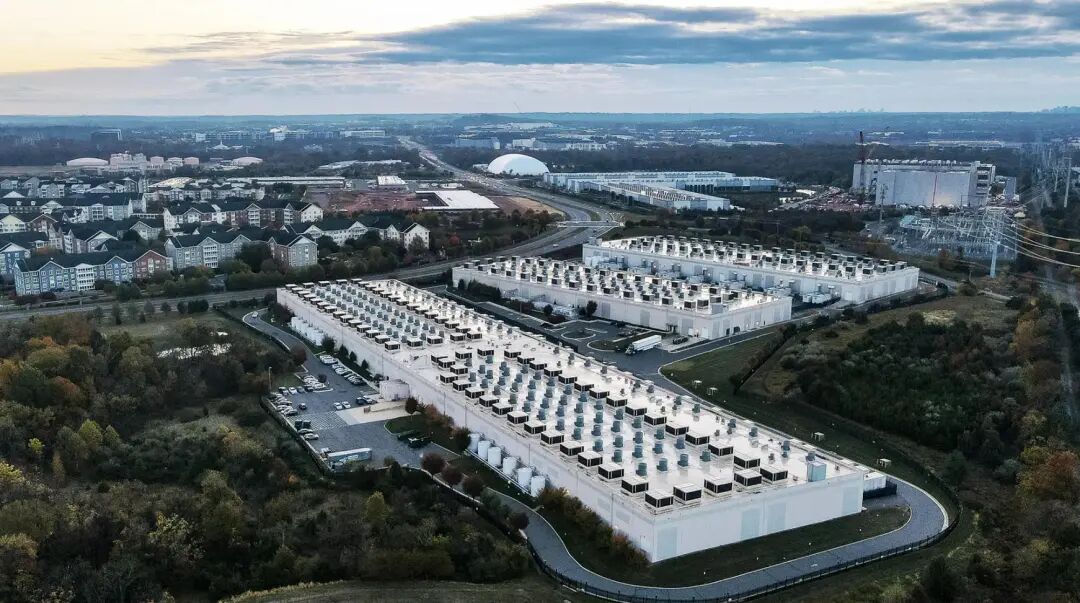
💡AI power crisis favors Chinese energy tech—plan your data center infra now
⚡ 30-Second TL;DR
What Changed
US power deficits driven by AI energy needs
Why It Matters
Boosts supply chain options for AI data centers, enabling faster scaling amid global energy constraints.
What To Do Next
Evaluate CATL or BYD battery solutions for powering your AI training clusters sustainably.
Key Points
- •US power deficits driven by AI energy needs
- •Chinese PV and storage companies as top beneficiaries
- •New energy's pivotal role in AI commercialization
- •Market opportunities from AI infrastructure boom
🧠 Deep Insight
AI-generated analysis for this event.
🔑 Enhanced Key Takeaways
- •US trade restrictions, including the Uyghur Forced Labor Prevention Act (UFLPA) and Section 201 tariffs, create significant supply chain friction for Chinese PV manufacturers attempting to directly supply US data center projects.
- •The 'Energy-AI' nexus has triggered a shift toward 'behind-the-meter' microgrid solutions, where data center operators are increasingly seeking direct power purchase agreements (PPAs) with renewable developers to bypass grid congestion.
- •Chinese firms are pivoting to 'indirect' market entry by establishing manufacturing facilities in Southeast Asia or Mexico to circumvent US import duties while maintaining cost advantages in battery energy storage system (BESS) components.
🛠️ Technical Deep Dive
• Integration of AI-driven Energy Management Systems (EMS) with BESS: Chinese suppliers are deploying advanced AI-based predictive maintenance and load-balancing algorithms to optimize the discharge cycles of lithium iron phosphate (LFP) batteries in data center environments. • Grid-Forming Inverter Technology: Adoption of grid-forming inverters allows renewable energy sources to provide synthetic inertia, critical for stabilizing data center power loads during rapid AI compute spikes. • High-Density BESS Architecture: Shift toward liquid-cooled, high-density battery racks (e.g., 5MWh+ per 20ft container) to maximize energy density within the limited physical footprint of data center campuses.
🔮 Future ImplicationsAI analysis grounded in cited sources
⏳ Timeline
Weekly AI Recap
Read this week's curated digest of top AI events →
👉Related Updates

AI-curated news aggregator. All content rights belong to original publishers.
Original source: 钛媒体 ↗