Understanding the CE mark on your electronic devices
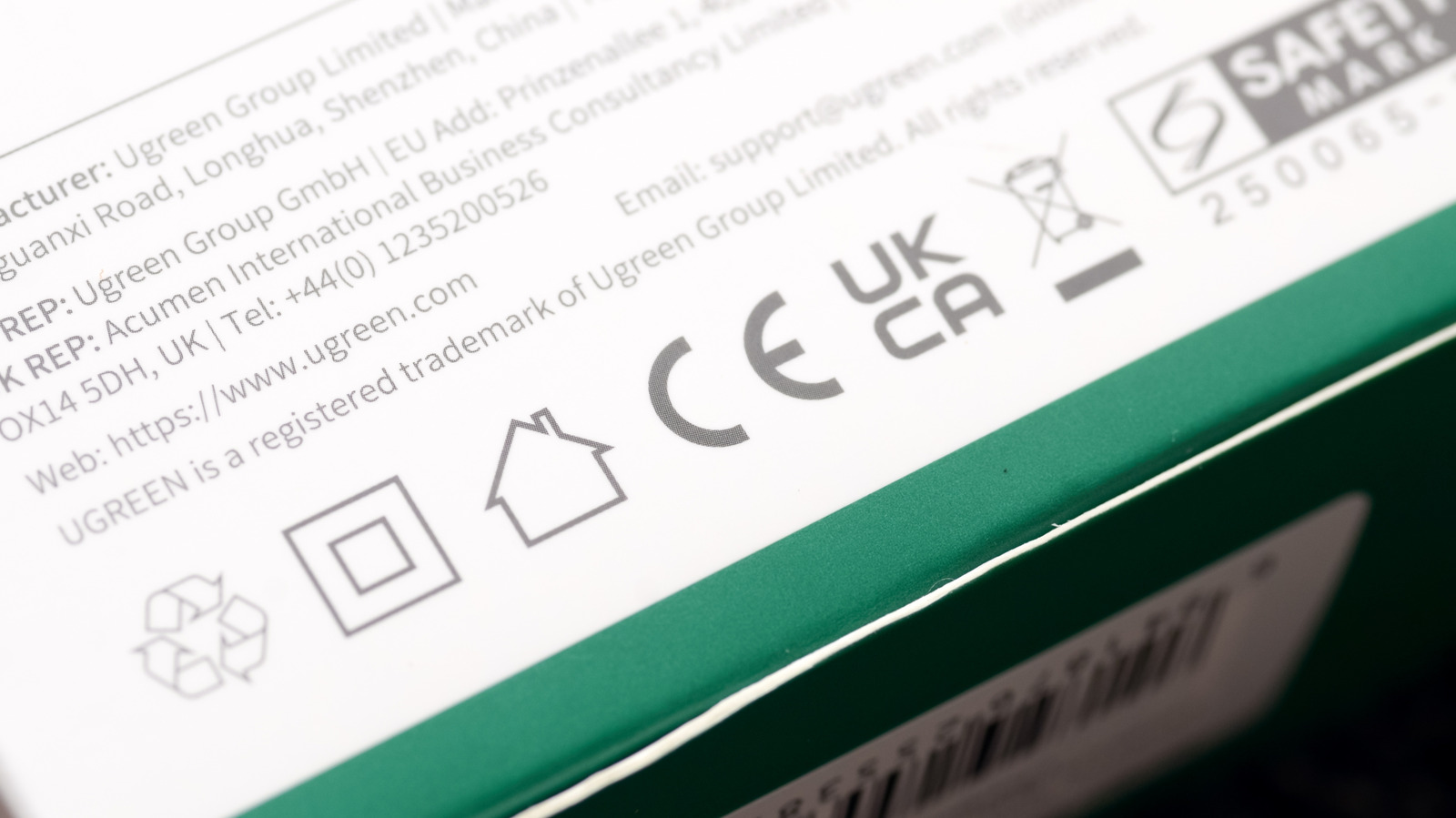
💡Essential knowledge for hardware builders planning to scale AI-powered devices in the European market.
⚡ 30-Second TL;DR
What Changed
CE stands for Conformité Européenne
Why It Matters
Hardware startups must ensure CE compliance to enter the European market, impacting product design and certification timelines.
What To Do Next
If you are shipping hardware, verify your product's CE certification status before entering the EU market.
Key Points
- •CE stands for Conformité Européenne
- •Mandatory for products sold in the European Economic Area
- •Indicates compliance with safety and environmental standards
🧠 Deep Insight
AI-generated analysis for this event — not the original article.
🔑 Enhanced Key Takeaways
- •The CE mark is a self-declaration process where manufacturers must compile a Technical File to prove compliance, rather than always requiring third-party testing.
- •Products bearing the CE mark must also comply with the EU's Radio Equipment Directive (RED) if they possess wireless capabilities, which mandates specific cybersecurity requirements.
- •The 'China Export' mark is a common misinterpretation of the CE logo; while visually similar, the CE mark has specific dimensional and spacing requirements defined by EU regulations.
- •Manufacturers are legally required to retain the Declaration of Conformity (DoC) for 10 years after the product is placed on the market to facilitate potential audits by national authorities.
- •The CE mark is not a quality indicator or a consumer safety certification; it is a regulatory passport that allows products to move freely within the European Single Market.
🛠️ Technical Deep Dive
- Conformity Assessment Procedures: Manufacturers must follow specific modules (A through H) depending on the product risk level, ranging from internal production control to full quality assurance systems.
- Technical Documentation: Must include a general description, conceptual design, manufacturing drawings, list of applied harmonized standards, and test reports.
- Harmonized Standards: These are European standards developed by recognized bodies (CEN, CENELEC, or ETSI) that provide a presumption of conformity with the essential requirements of the relevant directives.
- Declaration of Conformity (DoC): A formal document where the manufacturer assumes full responsibility for compliance, listing the product, manufacturer details, and the directives/standards applied.
🔮 Future ImplicationsAI analysis grounded in cited sources
⏳ Timeline
Weekly AI Recap
Read this week's curated digest of top AI events →
👉Related Updates
AI-curated news aggregator. All content rights belong to original publishers.
Original source: Engadget ↗
This is a summary, not the original. Read the source, or get the weekly briefing.
Weekly AI briefing
One email a week. Unsubscribe anytime.