💰钛媒体•Stalecollected in 37m
Underrated Factor in AI-Era Cars
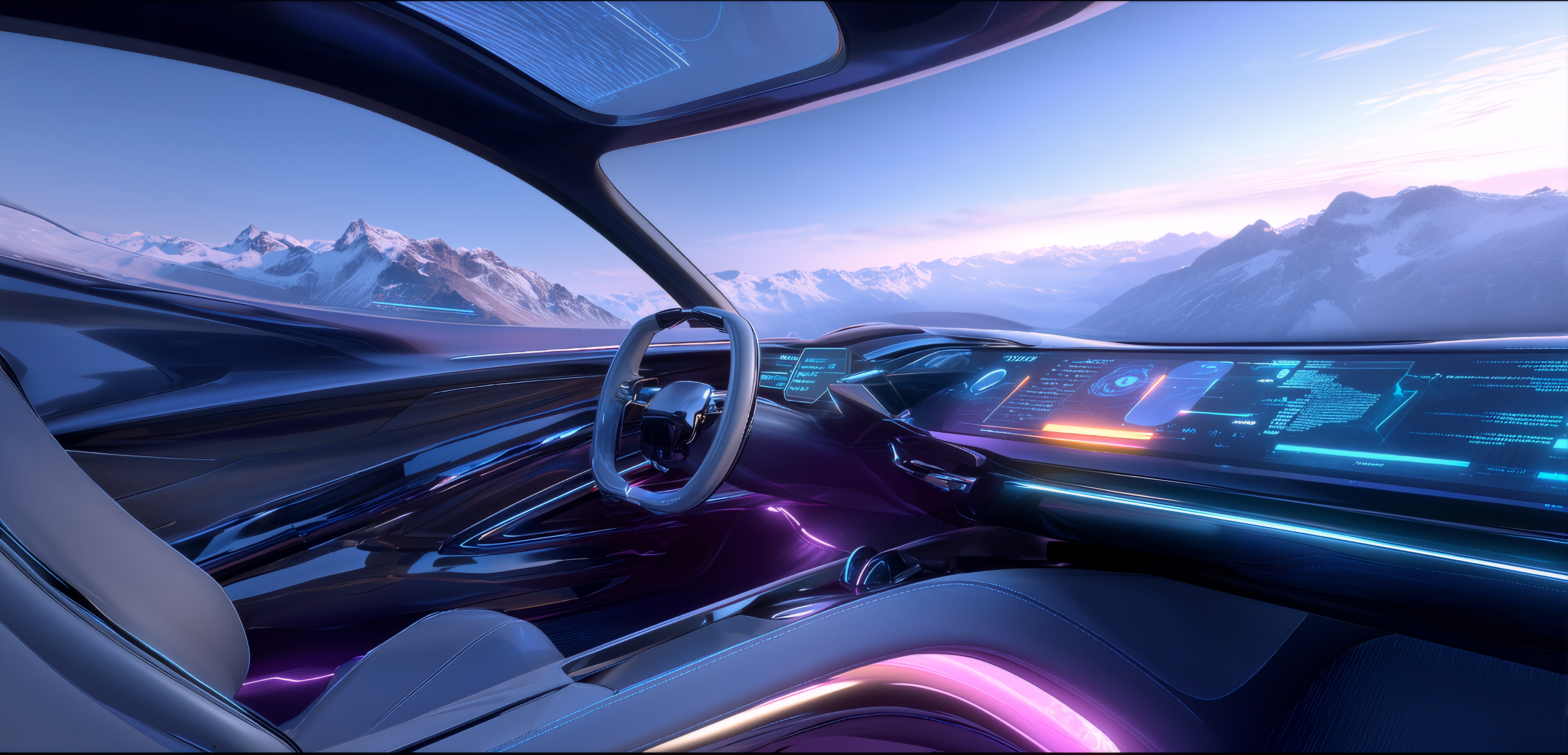
💡What we're underestimating in 2026 AI cars—critical for auto AI devs
⚡ 30-Second TL;DR
What Changed
2026 auto industry at AI crossroads
Why It Matters
Highlights potential overlooked opportunities or risks in AI automotive integration.
What To Do Next
Review 2026 auto AI forecasts to identify underestimated trends for your AV stack.
Who should care:Developers & AI Engineers
Key Points
- •2026 auto industry at AI crossroads
- •Key AI car development underestimated
- •Standing at pivotal industry juncture
🧠 Deep Insight
AI-generated analysis for this event.
🔑 Enhanced Key Takeaways
- •The 'underrated factor' refers to the integration of Edge-AI compute architectures that prioritize local, low-latency processing over cloud-dependent models to ensure safety-critical decision-making.
- •Automakers are shifting focus from pure autonomous driving capabilities to 'AI-native' cockpit experiences, where generative AI models manage personalized cabin environments and predictive maintenance in real-time.
- •The industry is experiencing a supply chain pivot toward specialized NPU (Neural Processing Unit) integration within vehicle SoCs, reducing reliance on general-purpose GPUs to optimize power consumption for long-range EVs.
🔮 Future ImplicationsAI analysis grounded in cited sources
Edge-AI dominance will become the primary differentiator for Tier-1 automotive suppliers by 2027.
As data privacy regulations tighten, the ability to process complex AI tasks locally without cloud connectivity will become a mandatory requirement for consumer trust and regulatory compliance.
Vehicle software architecture will transition to a unified 'centralized compute' model.
The shift toward AI-native vehicles necessitates moving away from distributed ECUs toward high-performance central compute nodes capable of handling multi-modal AI workloads simultaneously.
📰
Weekly AI Recap
Read this week's curated digest of top AI events →
👉Related Updates
AI-curated news aggregator. All content rights belong to original publishers.
Original source: 钛媒体 ↗