Turn Demo Creation Into an Agentic Workflow
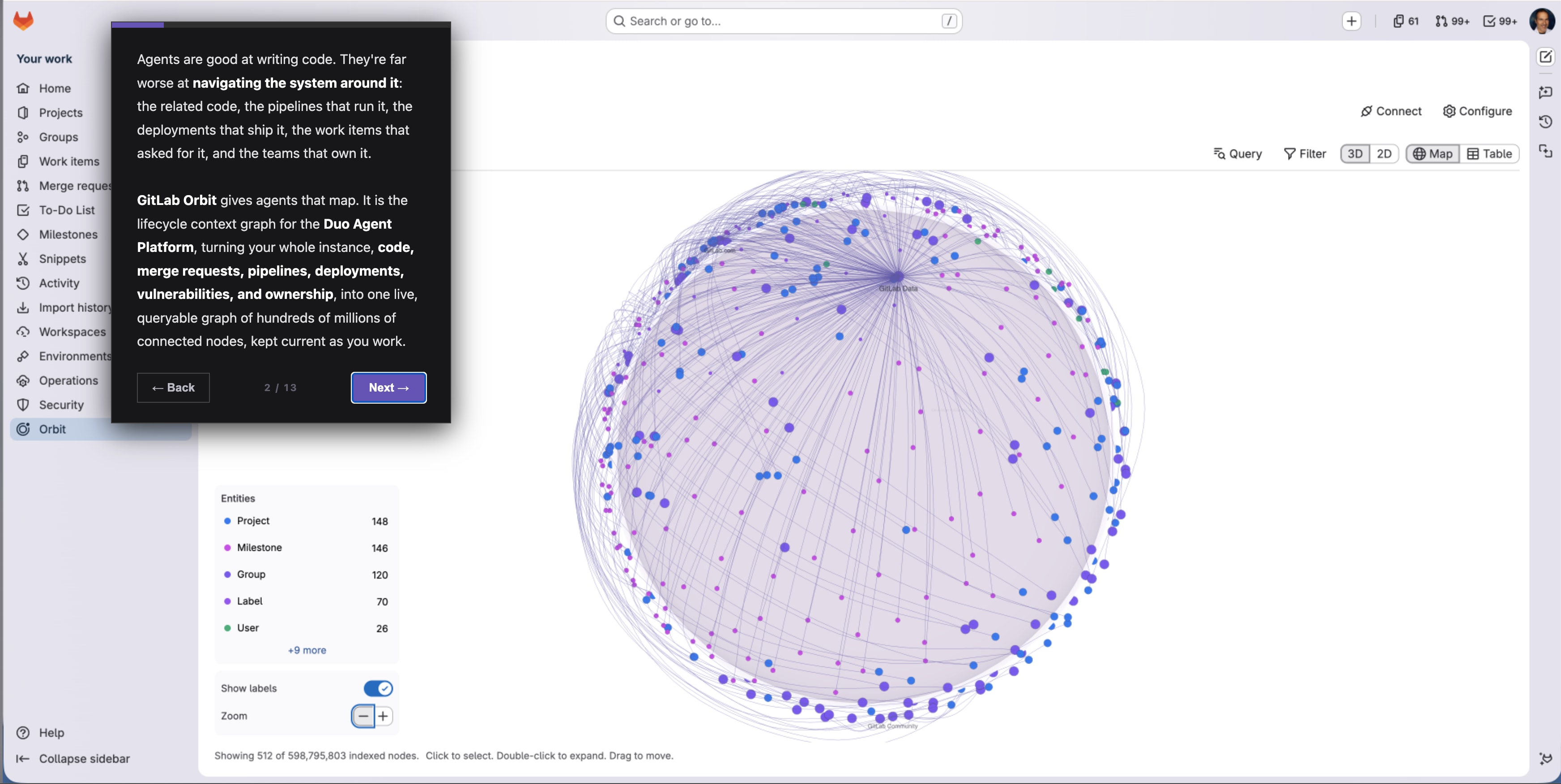
💡See how an agent turns time-consuming screenshots and narration into a maintainable, code-based demo workflow.
⚡ 30-Second TL;DR
What Changed
Agents can handle repetitive demo-generation work beyond traditional software development workflows.
Why It Matters
For AI practitioners, the example shows how agent platforms can automate adjacent operational and marketing tasks, not just coding. Teams can potentially reduce demo-production time and keep demonstrations more consistent with rapidly changing products.
What To Do Next
Create a small GitLab Duo Agent Platform workflow that researches one feature, generates realistic demo data, and produces a reusable click-through demo.
Key Points
- •Agents can handle repetitive demo-generation work beyond traditional software development workflows.
- •Click-through demos provide reusable, shareable experiences without requiring live product access or video editing.
- •The recommended process covers feature research, customer-focused storytelling, environment setup, and realistic demo data generation.
- •Generated demos can be deployed within the same project that creates them, reducing reliance on external demo vendors.
🧠 Deep Insight
AI-generated analysis for this event.
🔑 Enhanced Key Takeaways
- •GitLab Duo Agent Platform leverages a multi-modal architecture capable of interpreting UI elements and DOM structures to simulate user interactions programmatically.
- •The workflow integrates with GitLab's CI/CD pipelines, allowing demo environments to be ephemeral and automatically destroyed after the demo assets are generated.
- •By utilizing 'Infrastructure as Code' (IaC) for demo environments, teams can ensure that the demo state is always consistent with the latest version of the application code.
- •The agentic approach reduces 'demo rot' by automatically triggering re-generation of assets whenever a merge request modifies the UI components captured in the demo.
- •GitLab's implementation utilizes custom tool-use capabilities within the Duo Agent, allowing it to interface directly with browser automation frameworks like Playwright or Cypress.
📊 Competitor Analysis▸ Show
| Feature | GitLab Duo Agent | Navattic | Arcade | Walnut |
|---|---|---|---|---|
| Primary Focus | Dev-centric/CI/CD integrated | Marketing/Sales enablement | Marketing/Sales enablement | Sales/Demo automation |
| Environment | Ephemeral/Code-based | Screenshot/DOM capture | Screenshot/DOM capture | Sandbox/Cloned environment |
| Maintenance | Automated via CI/CD | Manual/Semi-automated | Manual/Semi-automated | Manual/Automated |
| Pricing Model | Included in GitLab Ultimate | Per seat/Usage | Per seat/Usage | Enterprise/Custom |
🛠️ Technical Deep Dive
- The GitLab Duo Agent utilizes a ReAct (Reasoning and Acting) prompting framework to decompose complex demo creation tasks into sequential UI interaction steps.
- Integration relies on a headless browser execution layer that captures state snapshots and metadata directly from the application's frontend framework (e.g., Vue.js, React).
- The system employs a specialized 'Demo-Generator' toolset that maps natural language instructions to specific CSS selectors and interaction events (click, type, scroll).
- Data persistence is handled via GitLab's native object storage, ensuring that generated demo assets are version-controlled alongside the source code.
🔮 Future ImplicationsAI analysis grounded in cited sources
⏳ Timeline
Weekly AI Recap
Read this week's curated digest of top AI events →
👉Related Updates
AI-curated news aggregator. All content rights belong to original publishers.
Original source: GitLab Blog ↗