TSMC Taps Wind Power for AI Chip Boom
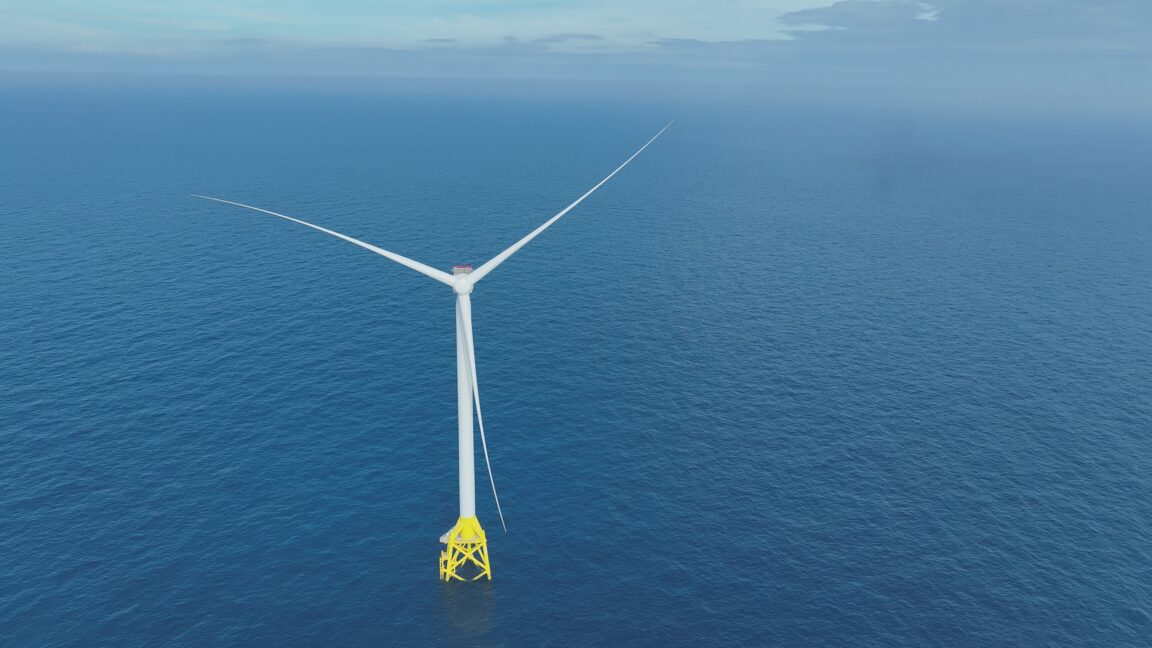
💡AI boom strains Taiwan grid—TSMC goes wind-powered for stability
⚡ 30-Second TL;DR
What Changed
TSMC adopts wind power for chip manufacturing
Why It Matters
TSMC's renewable shift may stabilize AI chip supply chains but highlights escalating energy demands for AI infrastructure. Practitioners could see indirect effects on hardware costs and availability as Taiwan's grid strains.
What To Do Next
Track TSMC's sustainability reports for AI chip supply risk assessments.
Key Points
- •TSMC adopts wind power for chip manufacturing
- •AI chip demand drives record energy consumption
- •Taiwan experiences power shortage from fabs
- •Renewables backed to address energy crunch
🧠 Deep Insight
AI-generated analysis for this event.
🔑 Enhanced Key Takeaways
- •TSMC has entered into long-term corporate power purchase agreements (CPPAs) specifically targeting offshore wind farms in the Taiwan Strait to secure 20-year renewable energy supplies.
- •The energy intensity of TSMC's 2nm and 1.4nm (A14) process nodes, required for next-generation AI accelerators, has necessitated a shift in their net-zero roadmap to prioritize baseload renewable capacity over carbon credits.
- •Taiwan's state-run utility, Taipower, is implementing grid-balancing infrastructure upgrades specifically to accommodate the intermittent nature of the wind power integrated into TSMC's high-load manufacturing clusters.
🛠️ Technical Deep Dive
• Integration of Power Usage Effectiveness (PUE) optimization: TSMC is deploying AI-driven energy management systems (EMS) within its GigaFabs to dynamically shift non-critical manufacturing loads based on real-time wind power availability. • Grid-Scale Energy Storage: Implementation of large-scale lithium iron phosphate (LFP) battery energy storage systems (BESS) at fab sites to mitigate voltage fluctuations inherent in offshore wind integration. • Substation Upgrades: Deployment of high-voltage direct current (HVDC) transmission lines to reduce energy loss during the transport of power from offshore wind farms to inland semiconductor manufacturing hubs.
🔮 Future ImplicationsAI analysis grounded in cited sources
⏳ Timeline
Weekly AI Recap
Read this week's curated digest of top AI events →
👉Related Updates
AI-curated news aggregator. All content rights belong to original publishers.
Original source: Ars Technica AI ↗